

Master your golf swing in cold weather can be a challenge for even seasoned players. As temperatures drop, the effects of cold weather on your golf swing become increasingly apparent, often affecting your performance on the course. Understanding these cold weather effects is crucial for maintaining your game year-round. In this article, we’ll explore essential golf tips for cold weather golfing, offering practical strategies to enhance your performance even when the mercury dips. From adjusting your grip and stance to the importance of staying warm, we’ll cover everything you need to know about playing golf in cold conditions. Whether you’re a weekend warrior or a dedicated golfer, these insights will help you adapt your technique and keep your swing consistent, no matter the weather. Get ready to embrace the chill and continue improving your game, even in the frostiest conditions! For more detailed insights, check out Golf Digest for tips on playing in cold weather.
Understanding the Effects of Cold Weather on Your Golf Swing
Why Cold Weather Affects Your Golf Performance
Playing golf in cold weather can present unique challenges for your game. As temperatures drop, your body responds physiologically, leading to tighter muscles and reduced flexibility. Research indicates that lower temperatures can cause muscle stiffness, which may hinder your ability to execute a fluid golf swing cold weather. In fact, a study published in the Journal of Sports Science found that muscle temperature plays a significant role in muscle elasticity and performance. When the body is cold, it can lead to decreased muscle power and coordination, impacting your overall swing mechanics.
How Temperature Impacts Your Swing Mechanics
As the temperature decreases, the effects on your golf swing can be profound. Cold weather effects include a diminished range of motion and slower reaction times, which can compromise your swing mechanics. When your muscles are tight, achieving the full extension and rotation needed for an effective swing becomes more difficult. This is particularly critical during the backswing and follow-through phases, where flexibility is essential.
To combat these challenges, it’s advisable to implement specific golf tips for cold weather. Start with a thorough warm-up that includes dynamic stretching focused on your shoulders, hips, and back. Additionally, consider layering your clothing to maintain body warmth without restricting movement. A study from the American College of Sports Medicine highlights that maintaining optimal muscle temperature can enhance performance even in chilly conditions.
Ultimately, understanding how cold weather affects your golf swing can help you make necessary adjustments. By staying warm and promoting flexibility, you can ensure that your swing remains effective, even when the temperature drops. For more tips on improving your game in less-than-ideal conditions, explore our resources on how weather affects your golf swing performance.

Essential Golf Tips for Cold Weather Golfing
Dressing for Success: Staying Warm and Comfortable
When it comes to golfing in cold weather, proper attire is crucial for maintaining both warmth and mobility. The key lies in layering your clothing effectively. Start with a moisture-wicking base layer to keep sweat away from your skin. Look for materials like polyester or merino wool that provide insulation without bulk. Add a thermal mid-layer, such as a fleece pullover, for added warmth. Finally, a windproof and waterproof outer layer will protect you from the elements.
Accessories are equally important. Use a beanie or a headband to keep your ears warm, and consider thermal golf gloves for a better grip while ensuring your hands stay warm. Don’t forget about your feet; thermal socks and insulated golf shoes can keep your toes from freezing during those long rounds on the course. Remember, staying warm and comfortable allows you to focus on your golf swing in cold weather.

Adjusting Your Golf Swing for Cold Conditions
As you prepare for playing golf in cold weather, it’s essential to make some adjustments to your swing. Cold weather effects can lead to stiffer muscles and slower swing speeds, so consider modifying your grip. A slightly softer grip can help you maintain better control of the club while allowing for smoother swings. Additionally, reducing your swing speed can result in better contact with the ball, helping you achieve more consistent results.
Practicing specific drills can also help you adapt your golf swing cold weather technique. Focus on shortened practice swings to build muscle memory without overexerting yourself. Spend some time in your backyard or at a driving range, using a weighted club to improve your strength and flexibility. These exercises can prepare your body for the demands of colder temperatures, improving your overall performance.
Finally, consider incorporating stretches aimed at warming up your muscles before a round. Simple dynamic stretches like arm circles and leg swings can enhance your mobility and reduce the risk of injury. By adjusting your swing and warming up properly, you can enjoy your cold-weather golf experience without compromising performance.
Practical Strategies for Playing Golf in Cold Weather
Warm-Up Routines to Prepare for Cold Weather Golf
Playing golf in cold weather can significantly impact your performance, particularly your golf swing. Cold muscles are less flexible and more prone to injury, so it’s essential to properly warm up before hitting the course. Start with light cardiovascular exercises to get your blood flowing. For instance, a brisk 5-10 minute walk or jog can elevate your heart rate and increase circulation.
Next, focus on flexibility and muscle activation through dynamic stretches. Here are a few effective warm-up routines:
- Arm Circles: Stand with your arms extended to the sides, and make small circles forward and then backward for 30 seconds each.
- Torso Twists: Stand with your feet shoulder-width apart and twist your torso gently from side to side to loosen your back and core.
- Leg Swings: Hold onto a stable surface and swing one leg forward and backward, then switch to the other leg. This will activate your hip flexors.
- Hip Openers: Step forward into a lunge, then twist your upper body toward the leading leg. This helps with hip flexibility, crucial for a good golf swing cold weather.
Performing these warm-up routines can help mitigate the cold weather effects on your body and enhance your performance during a chilly round of golf.
Using Equipment Wisely in Cold Conditions
The right equipment can make a significant difference when playing golf in cold. Cold temperatures can affect the performance of your golf balls and clubs. For instance, in low temperatures, golf balls become harder, which decreases their distance and spin. Consider using softer golf balls designed for colder weather, as they provide better feel and control.
When it comes to clubs, evaluate your choices based on the conditions. For instance, a driver with a lower loft may perform better in cold weather as it can help achieve more distance despite the denser air. Additionally, ensure your grips are suitable for cold weather; using gloves can provide better traction and prevent slipping, helping you maintain a consistent golf swing cold weather.
Lastly, don’t forget to layer appropriately. Wearing moisture-wicking materials can help keep you warm without restricting movement. By combining effective warm-up routines and the right equipment, you can combat the challenges of cold weather and improve your overall performance.
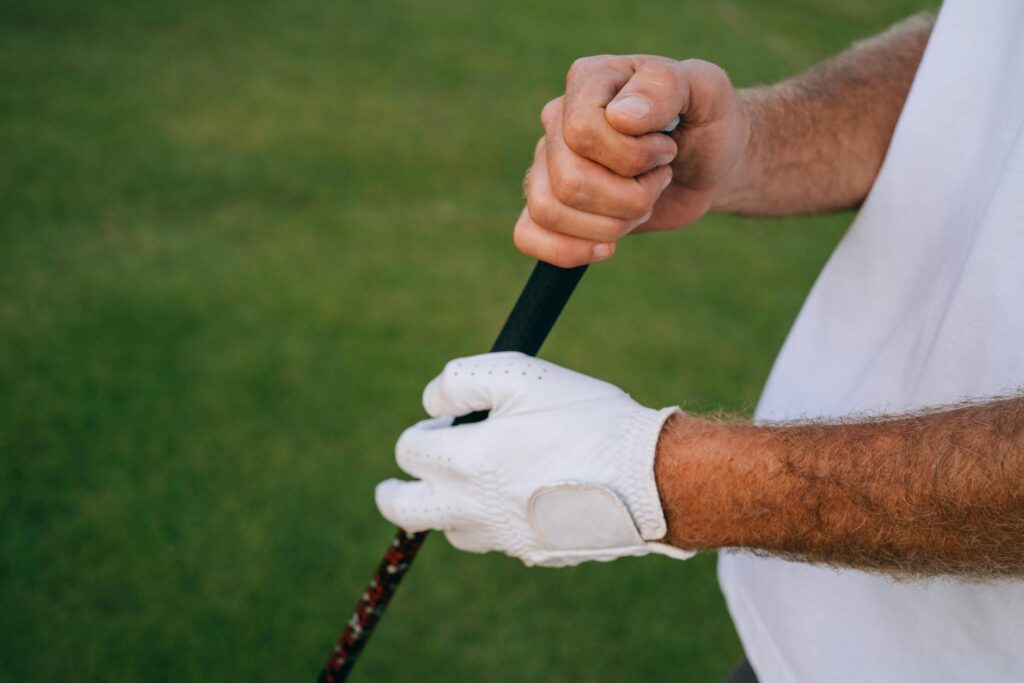
By following these golf tips for cold, you will not only stay warm but also enhance your game, ensuring that you can enjoy your time on the course regardless of the temperature.
Maintaining Your Golf Swing Performance Year-Round
As the golf season shifts to colder months, it’s crucial to focus on maintaining your golf swing performance, especially when facing the unique challenges of golf swing cold weather. The transition from the greens to indoors doesn’t have to mean a complete halt in your practice. Instead, it can be an opportunity to refine your skills and stay mentally sharp.
Indoor Practice Techniques for Off-Season
When the temperatures drop, consider these indoor practice techniques to keep your swing mechanics intact:
- Use a Golf Simulator: Investing in a high-quality golf simulator can provide realistic feedback on your swing. Many models offer swing analysis tools that help correct flaws and track progress.
- Home Drills: Simple drills like the ‘half swing drill’ or ‘slow-motion swings’ can be practiced in your living room. Focus on your grip, stance, and follow-through to reinforce proper mechanics.
- Putting Practice: Don’t forget about your putting game. Setting up a putting mat at home allows you to work on your short game, which is crucial for scoring.
- Strength Training: Incorporate exercises that enhance your core and flexibility. Resistance bands and light weights can be effective for building the muscle groups that support your swing.
These drills and techniques help mitigate the cold weather effects on your performance, ensuring that your swing remains sharp when you return to the course.
Staying Mentally Prepared for Cold Weather Golf
Being physically prepared is only part of the equation; mental readiness is equally important when playing golf in cold conditions. Here are some strategies to maintain a positive mindset:
- Visualization: Spend a few minutes each day visualizing your perfect swing and ideal rounds. Imagine yourself successfully navigating the challenges posed by cold weather.
- Goal Setting: Set specific, achievable goals for your indoor practice sessions. This keeps your motivation high and provides a sense of accomplishment.
- Stay Positive: Embrace the challenges of cold weather with a positive attitude. Remind yourself that every golfer faces similar obstacles, and overcoming them will make you a stronger player.
By focusing on both your physical practice and mental preparedness, you can effectively maintain your golf swing performance year-round, ensuring that when spring arrives, you’ll be ready to hit the course with confidence.

Mastering your golf swing in cold weather may seem daunting, but with the right approach, you can adapt your game to the chill. Remember to focus on staying warm, adjusting your grip, and making necessary modifications to your swing technique. These small changes can help mitigate the cold weather effects and maintain your performance on the course. Incorporating these golf tips for cold conditions will not only keep you comfortable but also enhance your overall gameplay.
As you prepare for your next round, consider investing in quality thermal gear and practicing your swing adjustments at the driving range. Playing golf in cold weather can be enjoyable and rewarding if you take the right steps to adapt. So grab your clubs, layer up, and hit the course with confidence. Your improved golf swing in cold weather awaits!
“`html
How does cold weather affect my golf swing?
Cold weather can significantly impact your golf swing. The drop in temperature makes the air denser, which can reduce the distance your ball travels. Additionally, your muscles may become tighter in cold conditions, affecting your flexibility and swing mechanics. You might find it more challenging to maintain a smooth swing, leading to inconsistencies in your shots. Preparing well, both mentally and physically, can help mitigate these effects.
What are the best golf tips for cold weather?
When playing golf in cold weather, focus on staying warm and maintaining your swing technique. Dress in layers to keep your body warm but allow for movement. Use a softer ball, as they perform better in cold conditions. Consider adjusting your grip pressure, as colder weather can affect feel. Prioritize warming up thoroughly, and be mindful of your swing tempo to ensure consistency despite the chill.
Can I maintain my golf swing in cold weather?
Yes, you can maintain your golf swing in cold weather with proper preparation. Focus on keeping your body warm and loose through effective warm-up routines. Practice with a focus on your fundamentals, as your body may react differently in colder conditions. Regular practice, even in winter, can help you adapt your swing to the effects of cold weather, ensuring you stay consistent on the course.
What should I wear when playing golf in cold?
When playing golf in cold weather, wear multiple layers to keep warm without restricting your movement. Start with a moisture-wicking base layer, followed by an insulating mid-layer. A waterproof and windproof outer layer will protect you from the elements. Don’t forget to wear a warm hat and gloves, as heat loss from your head and hands can significantly affect your comfort and performance.
How can I warm up properly before golfing in cold conditions?
Warming up properly before golfing in cold conditions is crucial to avoid injuries. Start with light cardio to increase your heart rate and blood flow. Focus on dynamic stretches that target your shoulders, back, and legs. Incorporate specific golf movements, like practice swings, to prepare your muscles for the action. Spending 15-20 minutes on your warm-up can help ensure your body is ready for the game ahead.
What are the cold weather effects on my golf equipment?
Cold weather can have various effects on your golf equipment. Golf balls tend to lose compression in the cold, resulting in less distance. Your clubs may also feel different due to changes in the grip material and metal temperature. Additionally, colder temperatures can lead to a decrease in the performance of certain types of gloves, affecting your grip. Always check your equipment before playing to ensure optimal performance in cold conditions.
“`