
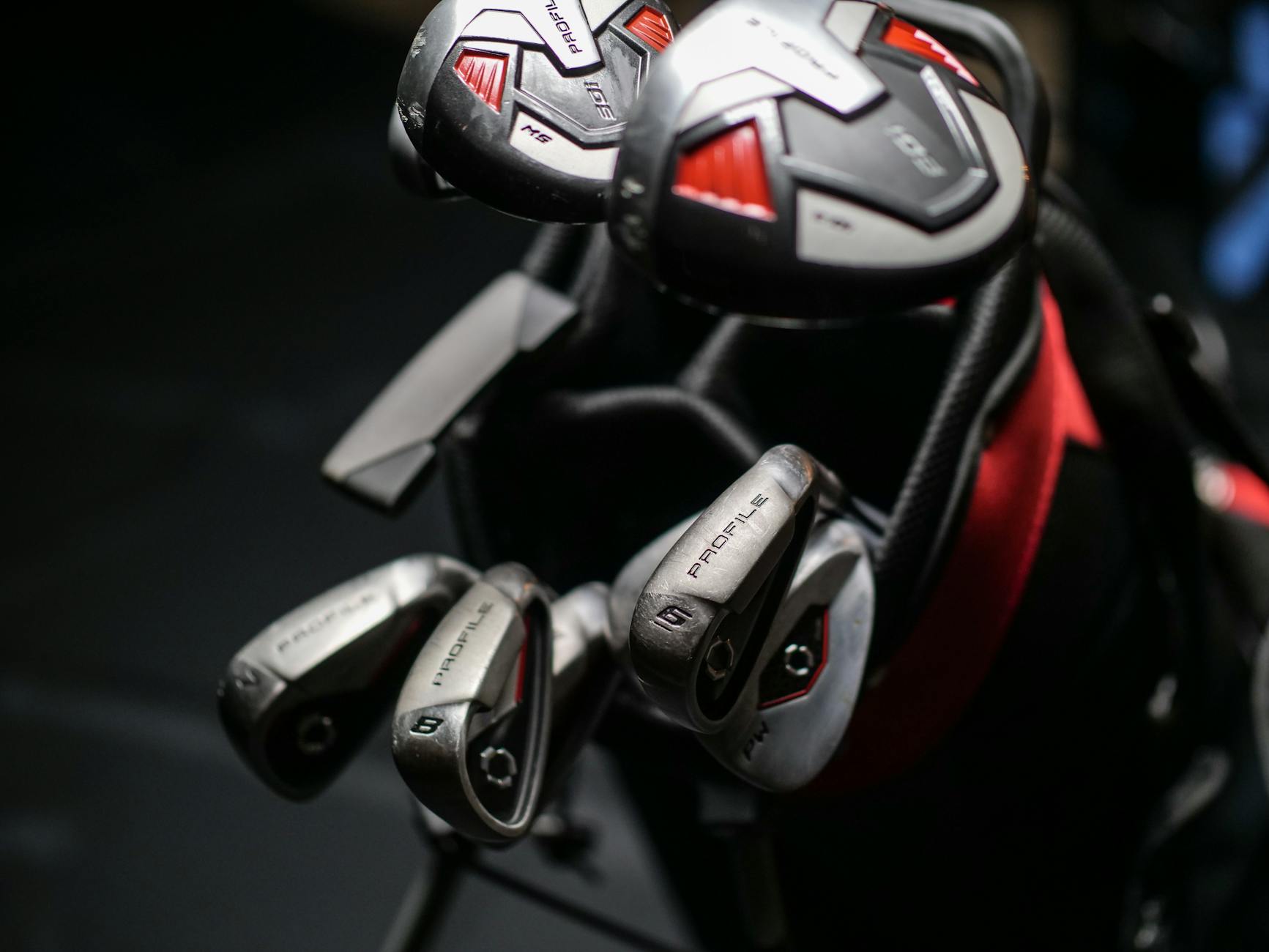
When it comes to thin air golf club performance, many golfers find themselves facing a unique set of challenges and opportunities. Playing at high altitudes can significantly impact how your clubs behave, affecting everything from ball flight to distance. In this article, we will dive into the fascinating world of golf clubs altitude effects, helping you understand how thin air can alter your game. You’ll learn about golf club distance high elevation and discover ways to maximize your performance on the course. Additionally, we will provide practical tips for golfing in thin air, ensuring you’re well-prepared for your next round in the mountains. By the end, you’ll be equipped with the knowledge to embrace the challenge of thin air and elevate your game. Let’s explore how you can harness the unique conditions of high elevation to enhance your golfing experience!
Understanding Thin Air Golf Club Performance
When we talk about golf, the environment plays a crucial role in how the game is played. One significant factor is “thin air,” which refers to the reduced air density commonly found at higher altitudes. This phenomenon can greatly affect your thin air golf club performance, influencing everything from ball flight to club distance. Understanding these effects can help you adapt your game when golfing in thin air.
What is Thin Air?
Thin air occurs at high elevations, where the atmosphere contains less oxygen and lower air pressure. As a result, the air becomes less dense, which has a profound impact on various sports, including golf. Studies have shown that athletes can experience differences in performance due to altitude, as thinner air can lead to increased speed and distance for projectiles, including golf balls. The U.S. Golf Association notes that locations like Colorado and Utah are prime examples where golfers can experience the effects of thin air firsthand.
How Thin Air Affects Golf Clubs
One of the most significant golf clubs altitude effects is the change in ball flight and distance. In thin air, golf balls travel farther because there is less resistance to overcome. According to research, a golf ball can travel up to 10% further in high elevation conditions. This means that your golf club distance high elevation can exceed your usual expectations. The reduced drag allows for a higher launch, which can enhance the overall performance of your clubs.
When playing at high altitudes, it’s essential to adjust your club selection and strategy. For instance, you might find that you need to club down due to the increased distance the ball travels. Additionally, understanding how to manage your swing and adjust for the thinner air can make a significant difference on the course.

By recognizing how thin air impacts your game, you can better prepare for your next round at elevation. Whether you’re a seasoned golfer or just starting out, being aware of these factors will improve your experience and help you make the most of your time on the course. Use this knowledge to enhance your thin air golf club performance and enjoy the benefits of golfing in thin air.
For more tips on adjusting your game at altitude, check out Choosing Golf Balls for High Altitude Play.
Golf Clubs Altitude Effects: What You Need to Know
When it comes to thin air golf club performance, understanding the physics of golf in high elevation is crucial. At higher altitudes, the air pressure is lower, which results in decreased air resistance. This means that golf balls can travel farther due to increased ball speed. For instance, studies have shown that at elevations around 5,000 feet, golf balls can travel approximately 10% farther than they would at sea level. This phenomenon is largely due to the combination of decreased drag and increased lift, which significantly affects your game when golfing in thin air.
However, it’s not just the distance that changes; the overall feel and trajectory of your shots can also be impacted. Players often find that their usual club selections may not perform as expected, leading to adjustments in swing mechanics and club choice. For example, a 7-iron might feel more like a 6-iron at high elevations, necessitating a reevaluation of club selection.
Choosing the Right Clubs for Altitude: Optimizing Thin Air Golf Club Performance
To make the most of golf clubs altitude effects, consider these tips when selecting your clubs:
- Adjust Loft Angles: You might want to use clubs with slightly higher lofts to help with trajectory control.
- Consider Lighter Clubs: Lighter materials can help increase swing speed, compensating for the thinner air.
- Experiment with Shaft Flexibility: A lower flex may provide better control and distance at altitude.
- Practice with Your Current Set: Before hitting the course, practice your swing to understand how your clubs react in high elevation.
Lastly, keep in mind that adjustments also depend on your individual swing characteristics and the specific altitude of the course. Make sure to take some time to adapt and test your clubs at different distances when faced with golf club distance high elevation scenarios. By doing so, you’ll improve your overall performance and enjoy the unique challenges that come with golfing in thin air.

Golf Club Distance High Elevation: Maximizing Your Game
Golfing in thin air can significantly alter your game, especially regarding golf club distance high elevation. At higher altitudes, the air is less dense, leading to increased distance for your shots. This phenomenon is not just a myth; scientific studies confirm that a golf ball can travel up to 10% farther in high elevation compared to sea level. Understanding these golf clubs altitude effects is crucial for optimizing your performance on the course.
Distance Changes at High Altitude
As you tee off in thin air, you can expect your drives and other shots to fly farther. For instance, a well-struck 7-iron that normally travels 150 yards at sea level could reach up to 165 yards at a 7,000-foot elevation. This increase occurs because the reduced air resistance allows the ball to maintain its speed longer. However, it’s essential to note that not every club will see the same distance increase, and factors like wind and temperature can also play significant roles.
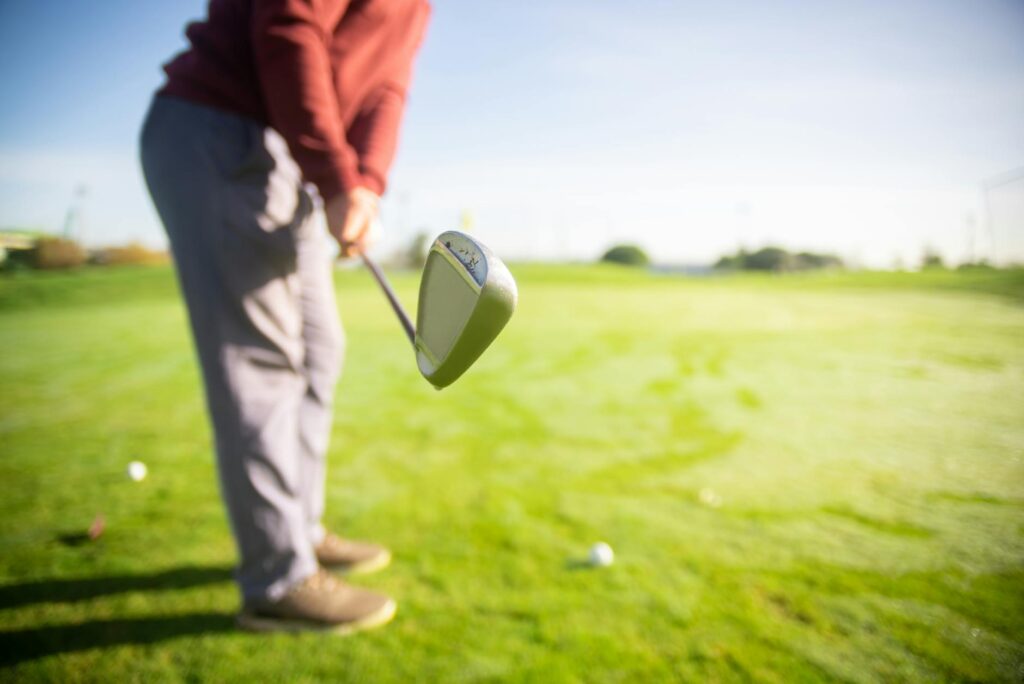
Adjusting Your Swing for Thin Air Golf Club Performance
To maximize your game in these conditions, you’ll need to adjust your swing and club selection. Here are some actionable tips:
- Club Up: Consider using a club that’s one or two numbers higher than you would normally select. For example, if you typically use a 9-iron, switch to an 8-iron.
- Focus on Trajectory: Aim for a higher launch angle. In thin air, a higher trajectory can help maintain your distance while giving you better control.
- Practice Adjustments: Take some practice swings at the elevation before your round. This will help you feel the difference and make necessary adjustments.
- Mind the Wind: Wind can have a more profound effect in these conditions, so adjust your aim accordingly.
Don’t fall for the common misconception that you need to swing harder to achieve greater distance. In fact, a smoother swing often results in better control and distance, especially in thin air. By understanding the dynamics of golf club distance high elevation, you can enhance your performance and enjoy your game more.
Embrace the unique challenges and advantages that come with golfing in thin air. With a few adjustments, you will not only improve your distance but also your overall game. For more tips on optimizing your golf performance, check out our other articles The Impact of Oxygen Levels on Golf Performance.
Golfing in Thin Air: Tips for Success
Preparation for High-Altitude Golfing
Playing golf in high elevations can significantly affect thin air golf club performance. The reduced air density at altitude means your golf ball will travel further, but this also requires adjustments in your game. Here are some actionable tips to prepare for golfing in thin air:
- Hydrate Properly: The air at high altitudes is often drier, leading to increased dehydration. Drink plenty of water before and during your round to maintain optimal performance.
- Acclimatize: Spend a day or two at a higher elevation before hitting the course. This allows your body to adjust to the thinner air and can help minimize the effects of altitude sickness.
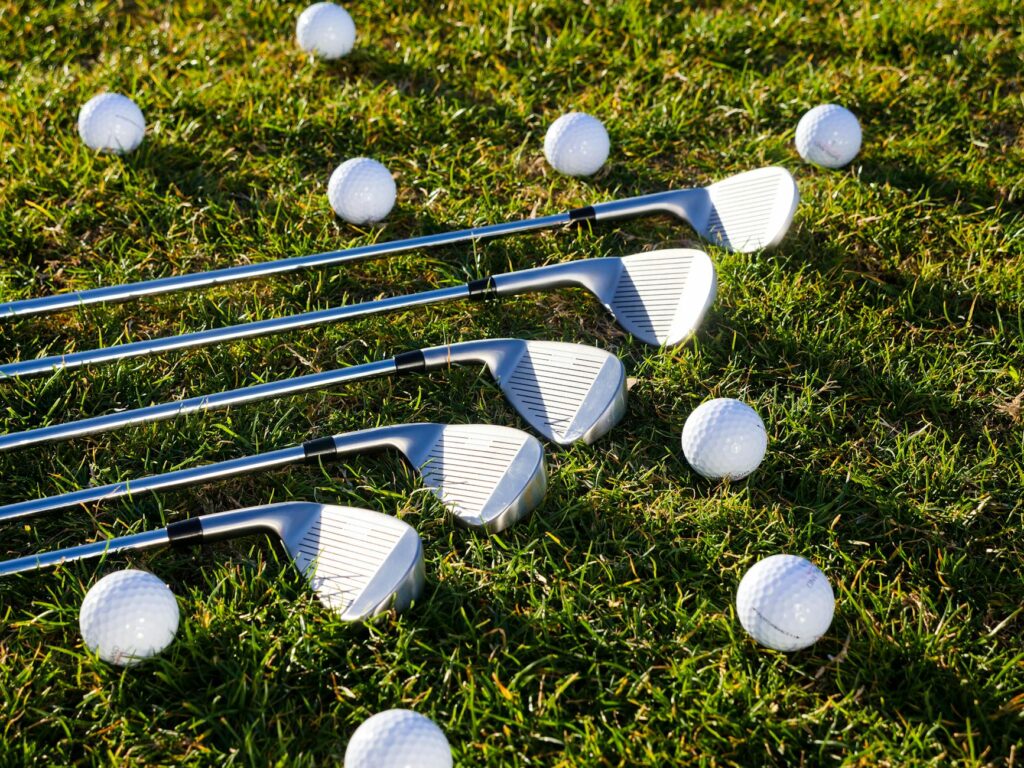
- Adjust Your Club Selection: Due to the golf clubs altitude effects, you might find that you need to use a club one or two numbers shorter than you would at sea level. Don’t be surprised if your drives go further than usual!
- Practice Your Swing: Take some practice swings to gauge how the ball is reacting to the thinner air. This will help you make necessary adjustments during your game.
Mental Factors to Consider for Thin Air Golf Club Performance
The mental aspect of golfing in thin air can be just as important as the physical. Here are some strategies to help maintain focus and confidence:
- Stay Calm: High altitude can be disorienting. Practice mindfulness techniques to stay composed and focused on your game.
- Visualize Success: Before your round, visualize successful shots and the feeling of hitting the ball further than usual due to the golf club distance high elevation. This can boost your confidence.
- Set Realistic Goals: Understand that your game may be different. Set achievable goals for your round, such as focusing on improving your short game or putting.
By incorporating these tips and being aware of the unique challenges, you can maximize your performance on the course and enjoy your time golfing in thin air. Remember, preparation is key to adapting to the environmental changes that come with high-altitude golfing. For more insights on how to excel in your game, check out our guide on Essential Tips for Golfing in High Altitude Weather.
Conclusion: Embrace the Challenge of Thin Air
Final Thoughts on Altitude Golfing
Golfing in thin air presents a unique set of challenges and opportunities that every golfer should embrace. The effects of altitude on your game can be significant, from improved distances due to lower air density to the need for adjustments in your swing mechanics. Understanding thin air golf club performance not only enhances your game but also adds an exciting dimension to your golfing experience. With practice and the right mindset, you can adapt to these conditions and even gain an edge over your competition. Remember, the thrill of conquering the nuances of golf clubs altitude effects is what makes this sport so enjoyable.
Resources for Further Learning on Thin Air Golf Club Performance
For those eager to delve deeper into the effects of elevation on your game, a wealth of resources is available. Consider researching the USGA’s guidelines on altitude and performance, or explore studies on the physiological effects of high altitude. Additionally, check out local golf clubs in high-elevation areas, as they often provide tips and classes tailored to adjusting your game for thin air. Be sure to stay informed about golf club distance high elevation to maximize your performance. By embracing the challenge, you’ll not only improve your skills but also gain an appreciation for the beauty and excitement of golfing in thin air.
With dedicated practice and the right resources, you can master the art of playing at altitude. Keep pushing your limits and enjoy the journey of enhancing your game with the fascinating dynamics of thin air golf club performance.
Understanding thin air golf club performance can significantly elevate your game, especially when playing at high altitudes. The unique effects of golf clubs altitude effects on ball trajectory and distance allow golfers to experience a different dynamic. As you adjust to golfing in thin air, you’ll likely notice the increased distance your shots can achieve, thanks to the reduced air resistance. This knowledge arms you with the tools to adapt your strategy and make the most of your time on the course.
As you head out to your next round, consider the adjustments you can make to optimize your game at high elevation. Pay attention to how your golf club distance high elevation can vary from what you’re accustomed to at sea level. By embracing these changes and understanding thin air golf club performance, you’ll not only enhance your skills but also enjoy your time on the course even more. So grab your clubs, embrace the altitude, and make every swing count!
How does thin air affect golf club performance?
Thin air can significantly impact golf club performance by reducing air resistance, which allows the ball to travel farther. Golf clubs experience less drag in lower air density, enhancing swing speed and distance. However, this effect can also alter the feel of the club, making it crucial for players to adapt their techniques when playing at high elevations. Understanding thin air golf club performance is essential for maximizing your game in such conditions.
What are the altitude effects on golf clubs?
Altitude affects golf clubs by altering the ball’s trajectory and distance. At higher elevations, the thinner air decreases drag on the ball, resulting in longer shots. Additionally, the loft of the clubs may feel different due to the reduced air resistance, affecting the player’s control. Players must be aware of these altitude effects on golf clubs to adjust their strategies during play.
Can I hit the ball farther at high elevation?
Yes, you can hit the ball farther at high elevation due to the reduced air density. The thinner air results in less drag on the ball, allowing it to travel greater distances. Many golfers experience a noticeable increase in yardage when playing in these conditions. However, it’s important to adjust your club selection accordingly, as the increased distance may require different clubs than you would typically use at sea level.
What adjustments should I make when golfing in thin air?
When golfing in thin air, you should consider adjusting your club selection, as the ball will travel farther than usual. Typically, using one club less is advisable. Additionally, be mindful of your swing, as the reduced resistance can lead to faster ball speeds. Practice these adjustments beforehand to become familiar with the changes in your game. This can help you maximize your performance in high-altitude conditions.
How does air density influence golf ball flight?
Air density plays a crucial role in golf ball flight. Thinner air at high elevations creates less drag, allowing the ball to maintain higher speeds and travel further. This reduces the lift that keeps the ball in the air, which can lead to flatter trajectories. Understanding how air density influences golf ball flight can help you make better decisions about club selection and shot strategy in different environments.
What clubs are best for high-altitude golf?
For high-altitude golf, clubs with lower lofts are often recommended. Drivers and fairway woods with less loft can help achieve optimal distance, as the thinner air allows for greater ball travel. Additionally, consider using hybrids and lower-lofted irons to maintain control while maximizing distance. Familiarizing yourself with your club performance in these conditions will lead to better scoring opportunities.