
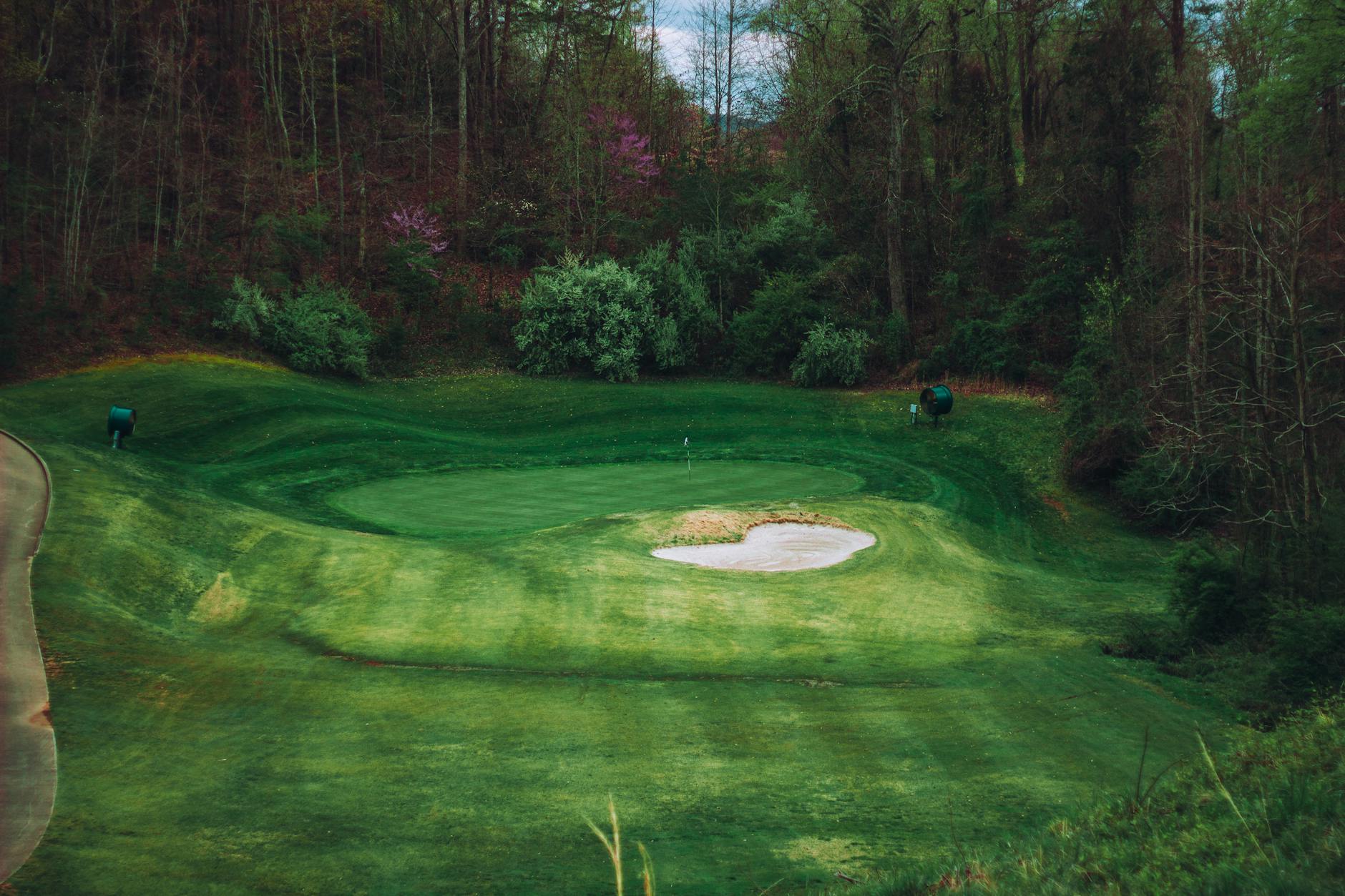
Altitude golf course design presents a unique set of challenges and opportunities that can transform the way golfers experience the game. When it comes to golf course architecture elevation, understanding the effects of altitude is crucial for creating courses that not only challenge players but also showcase stunning landscapes. This article will delve into the intricacies of designing golf courses in mountainous regions, highlighting key golf course features influenced by altitude, such as air density and terrain variation. We will explore design strategies for high-altitude golf courses that optimize playability and aesthetics, while also considering the future of altitude golf course design amidst evolving environmental considerations. Whether you’re a seasoned designer or an avid golfer curious about the impact of elevation on your favorite sport, this article will provide valuable insights into the fascinating world of golf course design at altitude.
Understanding Altitude in Golf Course Design
When it comes to altitude golf course design, the role of elevation cannot be understated. Elevation impacts not just the visual aesthetics of a course, but also its playability and strategy. Golf course architecture elevation plays a critical role in shaping the overall experience for players. Understanding how altitude affects both the design and the gameplay is essential for architects and enthusiasts alike.
The Importance of Elevation in Golf Course Architecture
Elevation changes can add significant character to a golf course. For instance, designing golf courses in mountains offers unique challenges and opportunities. A course situated high above sea level may feature dramatic elevation drops that enhance the thrill of play. These changes can affect everything from the length of the course to the difficulty of specific holes. Players will find that shots taken at higher altitudes travel farther due to reduced air resistance, resulting in altered club selections and strategies.
Moreover, elevation can also influence the drainage and maintenance of a course. Higher altitudes may experience different weather patterns, impacting grass growth and soil conditions. Understanding these factors allows course designers to create layouts that are not only enjoyable but also sustainable.
How Altitude Affects Course Features
Another important aspect of altitude golf course design is how elevation influences course features. For example, tee boxes can be strategically placed on elevated platforms, offering stunning views and challenging angles for approach shots. Bunkers and water hazards may also benefit from elevation changes, creating visually appealing and strategically placed obstacles. This enhances the overall aesthetic and strategic elements of the course.
Additionally, the unique golf course features altitude can create opportunities for innovative design elements that engage players. From elevated greens that require precise approach shots to dramatic drops that enhance risk-reward scenarios, the interplay of elevation and design can lead to a memorable golfing experience.
understanding altitude in golf course design is essential for creating courses that are not only challenging but also visually stunning. By considering elevation in the design process, architects can enhance both the playability and beauty of a course, offering golfers a unique experience that keeps them coming back for more.
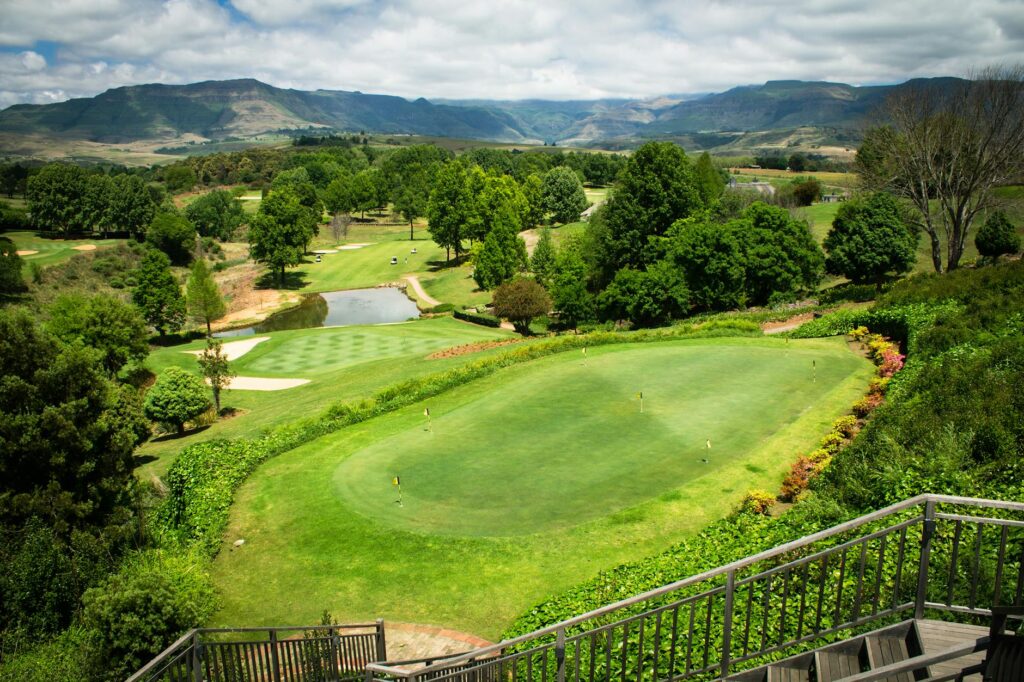
Designing Golf Courses in Mountainous Regions
Challenges of High-Altitude Golf Course Design
Designing golf courses in mountainous regions presents unique challenges that require careful consideration and innovative solutions. One significant issue is the impact of golf course architecture elevation on both the layout and the playability of the course. At higher altitudes, the thinner air can affect both ball flight and player stamina. Golfers might find that their drives travel further, which can lead to miscalculations in club selection.
Additionally, the terrain in mountainous areas often includes steep slopes, rocky outcrops, and varying soil types, making it difficult to achieve a consistent playing surface. The weather can be unpredictable, with sudden changes in temperature and precipitation that can affect course maintenance. Proper drainage solutions must be integrated to prevent erosion and waterlogging.
Moreover, the logistics of bringing materials and equipment to remote locations can be costly and time-consuming, posing a significant challenge for developers. Addressing these challenges is crucial for the success of any project focused on designing golf courses mountains.
Benefits of Elevation in Golf Course Layout
Despite these challenges, high-altitude courses offer numerous benefits. One of the most appealing aspects of altitude golf course design is the breathtaking views that come from elevated locations. Courses like the Woodlands Golf Course in Colorado take advantage of stunning mountain vistas, enhancing the overall golfing experience.
Additionally, the cool climate at higher elevations can provide a refreshing escape during peak summer months, making golf more enjoyable for players. The unique golf course features altitude also add to the appeal; elevation changes can create exciting challenges for golfers, demanding strategic thinking and skillful play.
Incorporating these elements not only enhances the aesthetic appeal but also contributes to a memorable gameplay experience. Successful examples of high-altitude courses, like the Montana Sky Golf Course, showcase how effective design can overcome geographical hurdles while maximizing the potential of the natural landscape.
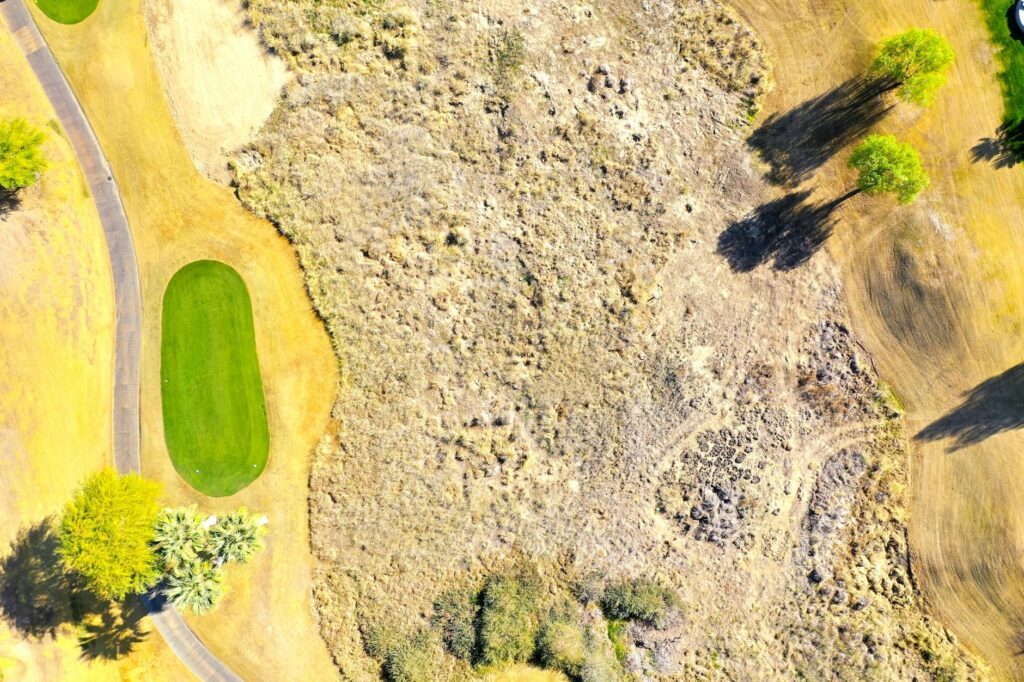
Key Golf Course Features Influenced by Altitude
Greens, Fairways, and Hazards at High Elevations
Altitude golf course design significantly alters the characteristics of greens, fairways, and hazards. At higher elevations, the thinner air results in less resistance, allowing golf balls to travel further than at sea level. This means that golfers can expect to hit their drives with greater distance, which necessitates adjustments in course layout and strategy.
For instance, greens at elevated courses often need to be larger and more forgiving to accommodate the increased roll of the ball. Additionally, the slope and speed of these greens can be influenced by altitude, requiring careful consideration in golf course architecture elevation. Fairways might also be designed wider to account for the longer drives and the potential for errant shots. Hazards, such as bunkers and water features, may be placed strategically to challenge golfers who are not accustomed to playing at high altitudes.
Ultimately, designing golf courses in mountains involves an understanding of how altitude impacts every aspect of course layout, from the distance of tee shots to the way approach shots interact with the terrain.
The Impact of Weather and Air Density on Gameplay
Altitude not only influences the physical features of the course but also affects weather patterns and air density. Higher elevations typically experience less humidity and more intense sunlight, which can lead to faster greens and more challenging playing conditions. Wind patterns can also vary, creating unpredictable gusts that affect shot accuracy.
Golfers must adjust their strategies accordingly, factoring in the thinner air that can alter ball flight. Understanding these elements is crucial for anyone looking to master their game at high-altitude courses. To optimize performance, players often rely on distance calculators that take into account altitude and other environmental factors, making knowledge of altitude golf course design essential for both players and course designers.

Design Strategies for High-Altitude Golf Courses
Designing golf courses in mountainous regions presents unique challenges and opportunities. Architects engaged in altitude golf course design must consider how to maximize scenic views, incorporate natural terrain, and promote sustainability. Here are some actionable strategies to guide your design process.
Maximizing Scenic Views and Natural Terrain
To create an unforgettable golfing experience, it’s essential to leverage the breathtaking vistas that high-altitude locations offer. Here are some effective strategies:
- Site Analysis: Conduct thorough site assessments to understand the topography, vegetation, and existing ecosystems. This will help in identifying the best locations for holes that not only challenge players but also showcase stunning views.
- Strategic Hole Placement: Position tees and greens to frame panoramic views, using natural land contours to enhance the visual experience. Incorporate elevation changes into the course design to add complexity and excitement.
- Natural Hazards: Use existing natural features, such as boulders, streams, and trees, as part of the golf course architecture elevation. This not only reduces the need for extensive earthworks but also enhances the course’s character.
By focusing on these aspects, designers can create golf course features altitude that are not only playable but also visually stunning, elevating the overall experience for golfers.
Incorporating Sustainable Practices in Mountain Designs
As environmental awareness grows, integrating sustainable practices in altitude golf course design has become paramount. Here are some strategies to consider:
- Water Management: Implement efficient irrigation systems, such as drip irrigation or rainwater harvesting, to minimize water usage. This is particularly crucial in regions where water resources may be limited.
- Native Planting: Use native grasses and plants that require less maintenance and are well-adapted to the local climate. This not only reduces maintenance costs but also supports local biodiversity.
- Eco-Friendly Materials: Choose sustainable materials for course construction and maintenance, such as recycled plastics for signage and pathways. This helps reduce the overall environmental footprint of the course.
By embracing these sustainability practices, architects can ensure that their designs not only respect the natural environment but also enhance the golfing experience for years to come. For more insights on sustainable golf course practices, check out high altitude golf tournaments.
The Future of Altitude Golf Course Design
Innovative Techniques and Technologies in Altitude Golf Course Design
As the landscape of golf course architecture evolves, altitude golf course design is increasingly benefiting from innovative techniques and technologies. One such advancement is the use of drones for aerial surveying and mapping. These tools allow designers to accurately assess terrain and elevation changes, making the planning process more efficient. Additionally, the integration of 3D modeling software enables designers to visualize features and adjustments before breaking ground, ensuring that every aspect of the course meets the unique challenges of high elevation.
Moreover, advancements in turf management technology are crucial for maintaining high-altitude courses. Smart irrigation systems and precision fertilization techniques help manage the delicate ecosystem at these elevations, promoting healthy growth while conserving water. These innovations not only improve the quality of the playing surface but also enhance the overall player experience by providing better conditions.
Emerging Trends in Mountain Golf Course Design
As we look to the future, several trends are shaping the design of golf courses in mountainous regions. One notable trend is the emphasis on sustainability. Designers are increasingly focused on integrating natural landscapes and wildlife habitats into their plans, which not only adds beauty but also aligns with environmental stewardship efforts. Courses that utilize native plants and minimize chemical usage are becoming more popular, appealing to environmentally conscious golfers.
Additionally, there is a growing interest in creating multi-functional golf course features altitude that cater to a variety of recreational activities. Designers are now aiming to incorporate hiking trails, mountain biking paths, and picnic areas, making these spaces more versatile and community-friendly. This approach not only attracts a broader audience but also encourages visitors to engage with the natural beauty of mountainous regions.

the future of altitude golf course design is bright, driven by innovative technologies and emerging trends that prioritize sustainability and multi-functionality. By embracing these advancements, designers can create exceptional golfing experiences that harmonize with their stunning mountain surroundings. To explore more about innovations in golf course architecture elevation and how they can enhance your course, stay tuned for our upcoming articles.
For more insights into the world of golf course design, check out our resources on improve golf game high altitude and best time to golf high altitude.
Altitude golf course design presents unique challenges and opportunities that can redefine the golfing experience. By embracing the nuances of golf course architecture elevation, designers can create stunning landscapes that not only challenge players but also immerse them in breathtaking views. The thoughtful integration of natural features at high altitudes can enhance playability while respecting the environment. When designing golf courses in mountains, understanding how elevation affects factors like ball flight and course maintenance is key to ensuring a successful project.
As you consider your next golf course project, think about how the specific golf course features altitude can be maximized for both aesthetics and functionality. Whether you are a designer, a developer, or simply an enthusiast, staying informed about the principles of altitude golf course design will help you appreciate the artistry behind these elevated masterpieces. Explore local opportunities for golf course development, and don’t hesitate to reach out to experts who specialize in creating unforgettable golfing experiences in mountainous terrains.
“`html
What is altitude golf course design?
Altitude golf course design refers to the planning and construction of golf courses situated at higher elevations, often in mountainous regions. This design takes into account the unique challenges and opportunities presented by the altitude, such as changes in climate, air density, and the visual landscape. The goal is to create a golf experience that is enjoyable and challenging while respecting the natural terrain and environment.
How does elevation affect golf course architecture?
Elevation significantly impacts golf course architecture by influencing factors such as drainage, soil composition, and grass types. Higher elevations can lead to faster drainage, which may require designers to consider alternative irrigation strategies. Additionally, the air density at altitude affects ball flight, necessitating adjustments in overall course design to accommodate longer driving distances and varying green speeds.
What are the challenges of designing golf courses in mountains?
Designing golf courses in mountains presents several challenges, including steep terrain, variable weather conditions, and accessibility issues. The topography can make it difficult to create fairways and greens that are both playable and sustainable. Additionally, environmental considerations such as erosion control and wildlife preservation must be factored into the design process to ensure the course integrates well with its natural surroundings.
What features of golf courses are influenced by altitude?
Altitude influences various golf course features, including fairway width, green speed, and the overall layout. At higher elevations, courses may have narrower fairways to challenge players, while greens may be designed to accommodate faster putting speeds due to lower air resistance. Elevation can also affect the positioning of hazards and bunkers, enhancing the strategic elements of the game.
How does altitude impact golf course gameplay?
Altitude impacts gameplay by altering the way the golf ball travels through the air. At higher elevations, reduced air density allows the ball to fly farther, which can lead to longer drives and potentially lower scores. Players need to adapt their strategies, considering factors such as club selection and shot trajectory, as well as the effects of wind at different elevations.
What trends are emerging in high-altitude golf course design?
Emerging trends in high-altitude golf course design include an increased focus on sustainability and eco-friendly practices. Designers are incorporating native vegetation and environmentally sensitive materials to enhance the natural beauty and minimize ecological impact. Additionally, there is a move towards creating multi-use courses that cater to various outdoor activities beyond golf, appealing to a broader audience.
“`