
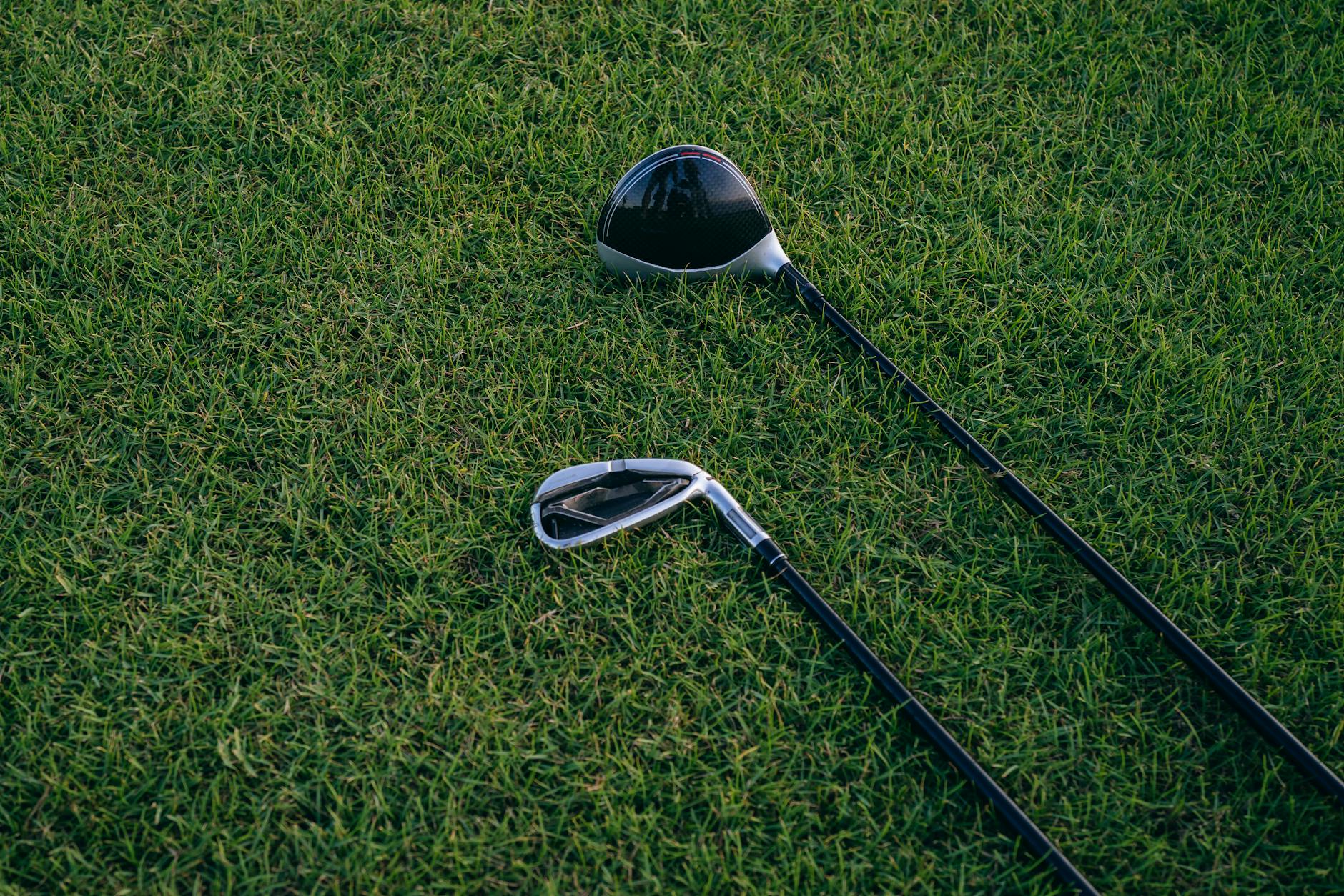
Golf driver loft explained is essential for every golfer looking to enhance their game. Understanding what loft is and how it affects your shots can be a game-changer. Loft refers to the angle of the clubface in relation to the ground, and it plays a crucial role in determining the trajectory and distance of your drives. This article will break down the concept of loft, explore the driver loft impact on your performance, and guide you in choosing the right loft for your specific needs. We will also discuss adjustable loft drivers, which have revolutionized golf club loft selections. By the end, you will have a better grasp of how golf driver performance can be optimized through loft adjustments, allowing you to take your game to the next level. Whether you’re a seasoned player or just starting, understanding loft is key to mastering your drives and improving your overall game.
Golf Driver Loft Explained: What Is Loft?
Understanding Golf Club Loft
In the world of golf, loft refers to the angle of the clubface relative to the vertical plane. For drivers, this angle typically ranges from 8 to 12 degrees, although some models may go even higher. Essentially, the loft determines how high the ball will rise when struck and influences its overall trajectory. A driver with a higher loft will launch the ball higher but may not travel as far as a lower-lofted driver. This relationship is crucial for golfers aiming to optimize their golf driver performance.
Understanding golf club loft is vital not just for drivers but for all clubs in your bag. Each club, from wedges to woods, has a specific loft designed to achieve various shot types. For example, a 9-iron typically has a loft of about 45 degrees, while a pitching wedge can be around 48 degrees, showcasing how loft helps in shot selection and distance control.
Why Loft Matters in Golf Drivers
The driver loft impact on your game cannot be understated. Choosing the right loft can significantly affect your driving distance and accuracy. A driver with too little loft may result in a low trajectory, causing the ball to miss its maximum distance potential. Conversely, too much loft may lead to a ballooning shot that loses distance and control. Finding that sweet spot is essential for maximizing your performance on the course.
For golfers looking to improve their game, understanding the concept of loft is a key component. Factors such as swing speed and playing style can influence which loft is best for you. Many golfers benefit from getting fitted for their equipment, ensuring they select a driver that complements their swing mechanics. For more insights on fitting and performance, check this guide on club fitting.

By grasping the fundamentals of golf driver loft explained, you’ll be better equipped to make informed decisions about your equipment, ultimately enhancing your overall game.
How Driver Loft Affects Your Game
Golf Driver Loft Explained: Driver Loft Impact on Distance
The loft of your driver is a critical factor that can significantly influence your distance off the tee. Generally, a higher loft, typically between 10 to 12 degrees, can help beginners achieve a higher launch angle, making it easier to get the ball airborne. This is especially beneficial for those with slower swing speeds, as a higher loft can optimize golf driver performance by maximizing carry distance.
Conversely, more experienced players often gravitate towards drivers with lower lofts, around 8 to 10 degrees. This choice allows for a more penetrating ball flight and greater distance, particularly for those who can generate higher swing speeds. A driver loft impact can be seen in how the ball travels; lower lofts can reduce spin, increasing roll upon landing. For instance, a player using a 9-degree loft may find they can hit the ball farther than with a higher loft, assuming they possess the necessary swing mechanics.
The Role of Loft in Accuracy
While distance is crucial, accuracy is equally important in golf. The relationship between loft and accuracy is multifaceted. A higher loft can help ensure that your shots ascend properly and land softly, which is ideal for beginners who might struggle with direction. The additional lift can also mitigate the effects of mishits, as the ball is less likely to veer off course significantly.
For advanced players, understanding how different golf club loft options affect shot shape can refine their game. Lower lofts might allow these players to shape shots more effectively, giving them the ability to hit draws or fades based on their skill level. A well-chosen loft can lead to more consistent strikes, enhancing overall accuracy. For example, a skilled golfer might choose a 10.5-degree driver to manage trajectory while still maintaining control over their shot direction.
Ultimately, understanding how golf driver loft explained impacts both distance and accuracy can help you select the right driver for your game. Experimenting with different lofts can yield significant improvements, allowing you to tailor your equipment to your unique swing characteristics.

By assessing your swing speed and playing style, you can make informed choices about your golf driver performance. Whether you are new to the game or a seasoned player, aligning your driver loft with your skill set is a step toward better scores on the course. Consider visiting a local fitter to test various loft options, ensuring you find the perfect match for your game.
Choosing the Right Loft for Your Needs
Understanding how golf driver loft affects your game is crucial for optimizing your performance on the course. With various loft options available, selecting the right one can significantly impact your distance, accuracy, and overall golf driver performance. Here’s how to choose the right loft based on your unique needs.
Factors to Consider When Selecting Loft
When choosing a golf driver loft, consider the following factors:
- Swing Speed: Your swing speed plays a significant role in determining the ideal loft. Generally, players with slower swing speeds (below 85 mph) benefit from higher lofts (10.5° to 13°) to achieve optimal launch angles and carry distance. Faster swing speeds (above 95 mph) might find lower lofts (8° to 10.5°) more effective for maximizing distance.
- Skill Level: Beginners may prefer higher lofts, which provide a larger margin for error and help keep the ball airborne. More advanced players often choose lower lofts to control their shot trajectory and spin more effectively.
- Playing Style: Consider whether you favor a draw or a fade. Higher lofts can help counteract a slice, while lower lofts can enhance a draw.
How to Test Different Loft Angles: A Practical Approach to Golf Driver Loft Explained
Finding the right loft is not a one-size-fits-all solution. Here are some actionable tips to help you test different loft angles:
- Use a Launch Monitor: Many golf shops and fitting centers offer launch monitors that provide data on your launch angle, spin rate, and distance with different lofts. This technology can help you pinpoint the best loft for your swing.
- Experiment on the Course: Try playing a round with different loft settings if your driver has an adjustable loft feature. Pay attention to how each setting affects your shots.
- Get a Professional Fitting: Scheduling a fitting session with a qualified professional can provide personalized insights into your swing mechanics and help you choose the optimal loft for your game.
Choosing the right loft can significantly enhance your golf club loft and improve your overall game. Remember, the correct loft can influence your driver loft impact on both distance and control, leading to better rounds on the course. golf driver myths

Adjustable Loft Drivers: A Game-Changer?
When it comes to fine-tuning your golf game, understanding golf driver loft explained is crucial. Among the latest innovations in golf equipment are adjustable loft drivers, which provide a level of customization that can significantly enhance your performance on the course. But what exactly are the advantages of these versatile clubs?
Benefits of Adjustable Loft
Adjustable loft drivers allow golfers to modify the loft angle of the clubface. This feature can lead to several benefits:
- Customization: Every golfer has a unique swing style and ball flight. By adjusting the loft, players can tailor their clubs to suit their personal needs, optimizing golf driver performance.
- Improved Ball Flight: Higher lofts can help achieve a higher launch angle, which is particularly beneficial for golfers with slower swing speeds. Conversely, lower lofts can help reduce spin and create a more penetrating ball flight.
- Versatility: As conditions change, like wind or course layout, golfers can adjust their driver loft to adapt to new challenges, making them more versatile on the course.
How to Use Adjustable Drivers for Better Golf Driver Loft Explained
To make the most of your adjustable loft driver, it’s essential to understand how to use its features effectively:
- Experiment: Use a launch monitor to test different loft settings and see how they impact your shot shape and distance. This will give you valuable insights into your swing dynamics and help you understand the driver loft impact on your game.
- Fine-Tune for Conditions: Adjust your loft based on the course conditions. If you’re facing strong headwinds, consider lowering your loft to keep the ball from ballooning.
- Seek Professional Guidance: Consider working with a golf professional or club fitter who can provide insights tailored to your swing mechanics and help you find the optimal settings for your golf club loft.
Understanding golf driver loft explained is just the beginning; the real magic lies in how you customize your equipment to match your game. With adjustable loft drivers, you can take control of your performance and make your rounds more enjoyable and effective. best adjustable golf drivers

Final Thoughts on Golf Driver Loft Explained
Key Takeaways from Golf Driver Loft Explained
Understanding the intricacies of golf driver loft is crucial for players looking to enhance their game. The loft of your driver significantly impacts how high and far your ball travels. A higher loft can help beginners achieve better launch angles and increased distance, while lower lofts may suit more experienced players seeking to optimize their golf driver performance. By adjusting your golf club loft, you can fine-tune your trajectory, spin rate, and even your overall accuracy.
As you consider your own driver loft, think about how it aligns with your swing mechanics and playing style. If you find yourself struggling with consistency or distance, it may be time to explore fitting options. A professional club fitting can provide valuable insights tailored to your unique game, ensuring that you have the right loft for your needs. Remember, the driver loft impact on your game can be substantial, and making informed decisions can lead to significant improvements.

Further Resources
For those eager to dive deeper into the nuances of golf driver loft and its effects on performance, consider exploring the following resources:
- Golf Digest: Selecting the Best Driver Loft
- PGA: Understanding Driver Loft
- Golf.com: Club Fitting Guide
Taking the time to learn about your equipment and how it affects your game can lead to better performance on the course. Be proactive, seek professional advice, and don’t hesitate to adjust your equipment to fit your style. By exploring the concepts outlined in this article, you’ll be better equipped to make informed decisions about your golf driver loft and ultimately improve your game.
Understanding how golf driver loft impacts your game is vital for any golfer looking to improve their skills. By grasping the concept of golf driver loft explained, you can make informed choices that lead to better golf club loft selection and enhanced golf driver performance. Whether you are adjusting your current driver or shopping for a new one, knowing the relationship between loft and distance can make a significant difference in your game.
Now that you have a better understanding of how driver loft impact plays a crucial role in your overall performance, consider experimenting with different loft settings or club options. Take the next step by visiting your local golf shop for a fitting session, where you can test various drivers and find the perfect loft tailored to your swing style. With this knowledge, you’re well on your way to unlocking your full potential on the course.
“`html
What is golf driver loft?
Golf driver loft refers to the angle of the clubface relative to the ground. It directly influences how high and far the ball travels when struck. A higher loft angle helps to launch the ball higher, ideal for players with slower swing speeds, while a lower loft generally results in a lower ball flight. Understanding golf driver loft explained can help players choose the right driver for their specific game needs.
How does driver loft impact distance?
The driver loft impacts distance through its effect on the launch angle and spin rate of the ball. A higher loft can lead to a higher launch angle, which is beneficial for players who need more height to maximize carry distance. Conversely, lower lofts can reduce spin and promote a flatter trajectory. Therefore, the driver loft impact is significant in determining how far a golfer can hit the ball.
What is the ideal loft for a beginner golfer?
For beginner golfers, an ideal driver loft typically ranges from 10.5 to 12 degrees. This loft helps to achieve a higher launch angle, making it easier to get the ball airborne. Beginners often have slower swing speeds, and a higher loft compensates for that, promoting better distance and accuracy. Selecting the right loft is crucial for improving golf driver performance as players develop their skills.
Can adjustable loft drivers improve my game?
Yes, adjustable loft drivers can significantly improve your game. They allow you to customize the loft to suit your swing characteristics and course conditions. By experimenting with different loft settings, you can find the optimal angle that enhances your ball flight and maximizes distance. This flexibility can lead to better golf club loft management and improved overall performance on the course.
What loft do professional golfers use?
Professional golfers typically use drivers with lofts ranging from 8 to 10.5 degrees, depending on their swing speed and playing style. These lower lofts help produce less spin and a more penetrating ball flight, which is preferred by those who swing at higher speeds. Each player’s choice reflects their unique preferences and the adjustments made to maximize their golf driver performance.
How does golf club loft affect ball flight?
The golf club loft significantly affects ball flight by altering the launch angle and spin characteristics. Higher lofted clubs tend to produce higher launch angles and increased backspin, resulting in a softer landing. Conversely, lower lofts create flatter trajectories with less spin, promoting more distance. Understanding how golf club loft interacts with your swing is essential for optimizing your shots and achieving better results on the course.
“`