
Choosing the right golf ball is essential for enhancing your game and maximizing your performance on the course. With so many options available, knowing how to choose golf ball that fits your style can make a significant difference. This article will guide you through the critical factors to consider when selecting a golf ball, including your playing style, swing speed, and the specific characteristics of different golf ball types. We’ll delve into how factors like spin and distance influence your choice, helping you decide whether you need control-oriented balls or distance balls that promise more yardage. Additionally, we’ll provide practical tips for testing various options to find your perfect match. By the end of this article, you will be equipped to make an informed choice when you choose golf ball, ensuring you have the right tools to elevate your game. Ready to dive in? Let’s explore how the right golf ball can transform your performance on the course!
Why It’s Important to Choose the Right Golf Ball
Choosing the right golf ball can significantly impact your performance on the course. Many players underestimate how different golf ball types can affect their game, especially regarding spin and distance. Selecting the correct ball can enhance your strengths while compensating for weaknesses, ultimately leading to lower scores and improved enjoyment of the game.
Understanding Your Game
Before you choose a golf ball, it’s essential to understand your playing style. Are you a beginner still learning the basics, or are you an experienced player looking to fine-tune your game? For instance, beginners often benefit from distance balls that offer a softer feel and more forgiveness, allowing for greater control and consistency. On the other hand, seasoned players might prefer balls that provide better spin control and feedback, enhancing their ability to shape shots and manage tricky lies.
Statistics show that the right ball can lead to significant performance gains. For example, a study by Golf Digest found that players could improve their distance by an average of 5-10 yards simply by switching to a ball that better suits their swing speed and style. Understanding your game is the first step to making an informed decision on which ball will help you achieve your goals.
The Role of Golf Ball Types
Different golf ball types are designed with specific features that cater to various playing styles. For instance, two-piece balls are typically designed for maximum distance and durability, making them ideal for beginners. In contrast, three-piece and four-piece balls offer enhanced spin capabilities, which advanced players often seek for better control around the greens.
Choosing a golf ball that corresponds with your skill level and playing style can make a substantial difference. A study published by the USGA indicated that the right ball could lead to an average increase in control of 20% in short-game situations. This means that for those who prioritize spin and control, opting for a more advanced ball could be key to lowering your scores.
Ultimately, when you choose a golf ball that aligns with your unique game, you not only enhance your performance but also increase your enjoyment on the course. Take the time to evaluate your needs, and you’ll find that the right choice can transform your golfing experience.
How to Choose Golf Ball: Key Factors to Consider
Understanding Spin and Control
When you set out to choose golf ball, one of the most critical factors to consider is spin. Spin affects how the ball behaves in the air and on the green. High spin balls provide players with better control, especially around the greens, allowing for more precise shots and better stopping power. If you are an advanced player who likes to shape your shots and play with finesse, a golf ball with high spin capabilities might be your best bet. On the other hand, beginners or high-handicap players might benefit from lower spin balls, which can help reduce sidespin and promote straighter shots.
Understanding your playing style and preferences is essential. Do you often find yourself in challenging lies, needing to execute delicate chips? If so, a ball that offers more spin could enhance your short game performance. Conversely, if you prioritize distance off the tee, you might lean towards balls designed for lower spin.
Distance Balls vs. Feel Balls: How to Choose Golf Ball That Fits Your Game
Another significant factor in your decision-making process is the type of golf ball you choose. Generally, golf ball types fall into two categories: distance balls and feel balls. Distance balls are designed for maximum distance, often featuring a harder cover and a lower compression that helps propel the ball further off the tee. If you struggle with distance, these balls can be a game-changer, helping you gain those extra yards.
Feel balls, on the other hand, emphasize soft contact and provide a better sensation on impact. They often feature a multi-layer construction that enhances control and spin around the greens. If your game involves a lot of short shots and delicate putts, you might prefer a feel ball for its superior feedback and touch.
Ultimately, the best way to find the right fit is to test various options. Golfers should consider their swing speed, playing style, and the conditions they typically encounter on the course. Many manufacturers offer trial packs that allow you to experiment with different golf ball types before making a commitment.
Understanding these key factors will empower you to make an informed decision when you choose golf ball that best suits your game. Remember, the right ball can enhance your performance and enjoyment on the course.
Exploring Different Golf Ball Types
When you decide to choose golf ball, understanding the various golf ball types available is essential. The construction of a golf ball significantly affects its performance, including aspects like spin and distance. Let’s break down two of the most common golf ball types: two-piece and three-piece balls.
Two-Piece vs. Three-Piece Balls
Two-piece balls are the most basic design and are often favored by beginners and casual players. These balls consist of a solid rubber core encased in a durable cover, typically made from ionomer. This construction allows for increased distance because the ball can be hit harder without sacrificing durability. If you’re looking for distance balls, two-piece options are usually a great choice.
On the other hand, three-piece balls feature a core, an inner layer, and a cover, providing a more complex design that allows for greater control and spin. This added layer is usually made from softer materials like urethane, which enhances feel and performance around the greens. If you are aiming to improve your short game and increase spin, three-piece balls might be more suitable for you.
Golf Ball Construction and Performance: How to Choose Golf Ball
The materials used in golf ball construction directly impact performance. For instance, a softer cover material allows for better grip on the clubface, resulting in higher spin rates. Conversely, harder covers can lead to lower spin rates and more distance, but may sacrifice feel. Understanding these differences is key when you choose golf ball types according to your playing style and preferences.
Ultimately, testing various balls during practice can help you find the right fit. Consider your priorities, whether you want more distance or greater spin, and select the ball that aligns with your game. Don’t hesitate to experiment with different options to discover what works best for you.
Testing Golf Balls: A Practical Approach
Choosing the right golf ball can significantly enhance your game, but nothing beats firsthand experience. On-course testing is one of the most effective ways to determine which golf ball suits your playing style best. By actively playing with different golf ball types, you can evaluate their performance in real conditions, allowing you to make an informed decision on which ball to stick with.
On-Course Testing: How to Choose Golf Ball Effectively
When testing golf balls on the course, consider bringing a variety of balls to play with. Pay attention to how each ball performs in different scenarios, such as:
- Distance: Observe how far each ball travels off the tee. Are some balls flying farther than others? This is particularly important if you’re looking for distance balls.
- Spin: Notice how the ball behaves around the greens. Do certain balls stop quickly when they hit the green, or do they roll out? Understanding the spin characteristics can help you choose golf ball options that enhance your short game.
- Feel: Take note of how each ball feels during impact, both off the clubface and on the green. A ball that feels good to you may boost your confidence.
Make sure to take notes during your rounds to compare your experiences later. This practical approach helps you discover which golf balls align with your specific needs and preferences.
Using Technology for Analysis
In addition to on-course testing, technology can provide valuable insights into your golf ball’s performance. Launch monitors, which track data such as ball speed, launch angle, spin rate, and distance, can help you analyze your findings more objectively. Brands like TrackMan and FlightScope offer tools that give you accurate feedback on how different golf balls behave during your swings.
With this data, you can compare the performance of each golf ball type scientifically, making it easier to choose the best options for your game. For instance, you might find that a particular ball offers a better combination of spin and distance, which can lead to more consistent play.
Testing various golf balls on the course while leveraging technology for analysis creates a comprehensive approach to selecting the right ball for your game. By combining personal experience with measurable data, you’ll feel confident in your final decision.
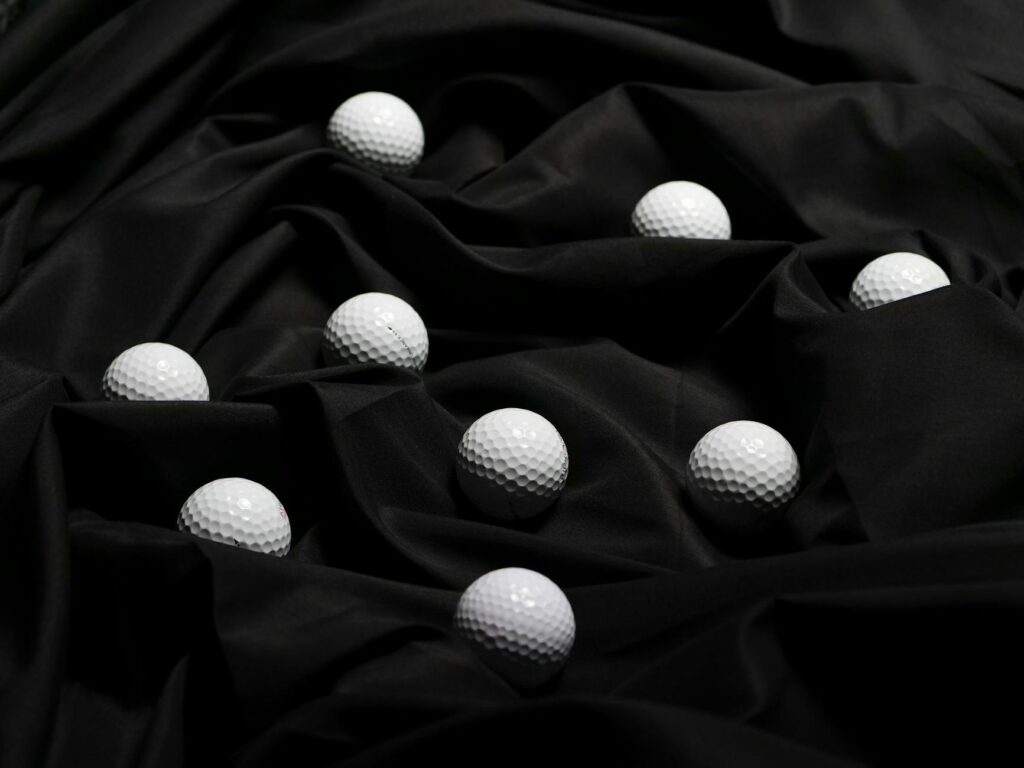
For more detailed guidance on golf ball selection, explore best golf drivers.
Conclusion: Make an Informed Choice When You Choose Golf Ball
Recap of Key Points on How to Choose Golf Ball
Choosing the right golf ball is crucial for enhancing your game, and understanding the different golf ball types can significantly influence your performance. From distance balls designed for maximum distance to spin balls that offer control around the greens, each type has its unique benefits. The key is to assess your playing style, skill level, and what aspects of your game you’d like to improve. Whether you prioritize distance, spin, or feel, making an informed choice is essential to optimizing your performance on the course.
Encouragement to Experiment with Golf Balls
Don’t hesitate to experiment with various golf ball types to find what works best for you. It may take some time and a few rounds of golf, but trying out different balls can provide insights into how they affect your game. You might find that a particular ball provides the distance you seek or enhances your control and spin around the greens. The beauty of golf lies in its personalization; the right ball can elevate your experience and performance significantly. Remember, the best way to determine what works for you is trial and error.
So, as you embark on your journey to choose golf ball, keep an open mind and enjoy the process. With a little experimentation, you’ll be able to find the perfect fit that enhances your overall game.
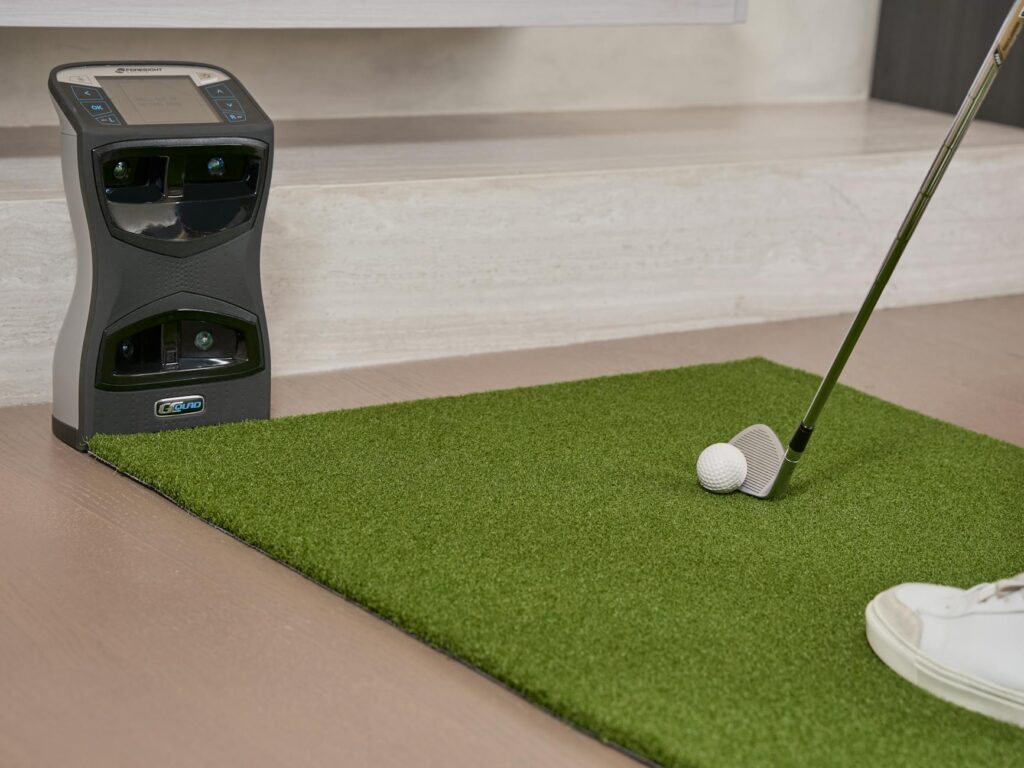
Choosing the right golf ball can significantly influence your game, enhancing both your distance and control. As you explore various golf ball types, consider how factors like spin and compression can impact your performance on the course. Whether you’re aiming for distance balls or looking to add a bit more spin to your shots, understanding these elements will help you make an informed choice.
So, the next time you’re in the market to choose golf ball, take a moment to evaluate your playing style and preferences. With the right ball in your bag, you can unlock your full potential on the course. Start by testing a few options to see which one complements your game best, and enjoy the journey to improving your skills!
“`html
What factors should I consider when I choose golf ball?
When you choose a golf ball, consider factors such as your skill level, swing speed, and playing style. Beginners may benefit from softer balls that provide more distance and forgiveness. Intermediate and advanced players might prefer balls that offer better spin and control. Additionally, consider the ball’s compression rating, cover material, and overall design, as these can significantly influence performance on the course.
How do golf ball types affect performance?
Golf ball types vary in construction, compression, and cover materials, which all affect performance. For instance, two-piece balls typically offer more distance and durability, making them ideal for beginners. In contrast, multi-layer balls provide better spin control and feel, which can benefit more advanced players. Understanding the differences between these types helps you choose golf ball that aligns with your game and enhances your overall performance.
What is the difference between spin and distance balls?
Spin balls are designed to provide higher levels of control and stopping power on greens, making them ideal for players who prioritize accuracy and shot shaping. Distance balls, on the other hand, focus on maximizing distance and are typically firmer, offering lower spin rates. When you choose golf ball, understanding your priorities, whether it’s spin or distance, can help you select the right type for your game.
Can the right golf ball improve my game?
Yes, selecting the right golf ball can significantly improve your game. The correct ball can enhance your distance, control, and feel, allowing you to perform better under various conditions. A ball suited to your swing speed and playing style can lead to increased confidence and more consistent results on the course. Thus, evaluating your needs and preferences when you choose golf ball is essential for improvement.
How do I test golf balls effectively?
To test golf balls effectively, start by identifying your goals, such as distance, spin, or feel. Conduct on-course trials to see how different balls perform under real playing conditions. You can also use launch monitors to measure distance and spin rates. Finally, consider gathering feedback from practice sessions, focusing on how each ball reacts to your swings and the resulting performance on the greens and fairways.
What is the best golf ball for beginners?
The best golf ball for beginners is typically a two-piece ball, which offers maximum distance and a softer feel. These balls are designed to minimize side spin and provide greater forgiveness on off-center hits. Look for models that feature low compression ratings, as they will be easier to hit. Popular options include the Titleist DT TruSoft and the Callaway Supersoft, both of which help beginners improve their game without breaking the bank.
“`