

Learning how to read golf greens is a skill that can dramatically improve your game. Whether you’re a weekend warrior or a seasoned golfer, mastering the art of putting green reading and understanding the nuances of slope analysis can set you apart on the course. In this article, we’ll dive into effective techniques that will help you interpret the greens like a pro. You’ll discover how to analyze the slope and grain of the grass, and we’ll provide practical drills to enhance your green reading skills. Additionally, we’ll share strategies to put everything together for game day, ensuring you’re not just playing but competing with confidence. Ready to take your putting game to the next level? Let’s get started on this journey to becoming a master at reading golf greens!
Understanding How to Read Golf Greens
Mastering the art of how to read golf greens is essential for any golfer aiming to improve their putting game. A well-read green can mean the difference between sinking a putt and watching the ball slide by the hole. Effective green reading not only enhances your chances of making putts but also significantly impacts your overall score. A recent study showed that golfers who successfully analyze greens can lower their scores by an average of 3-5 strokes per round, demonstrating how crucial this skill is for improvement.
The Importance of Green Reading
When you step onto a putting green, the first thing to assess is the slope and grain of the green. Slope analysis allows you to understand how the terrain will influence your ball’s path. For instance, a downhill slope may require more force, while an uphill putt could necessitate a lighter touch. Moreover, the grain of the grass can affect the speed of your putt; if the grain is growing towards the hole, the putt will generally be slower than if it’s growing away. Paying attention to these factors can greatly enhance your putting green reading skills.
Many players overlook the significance of slope and grain, leading to common mistakes. For example, failing to account for an uphill or downhill slope can cause you to misjudge the speed of your putt. Additionally, ignoring the grain direction can lead to unexpected results on your roll. Understanding these components helps you make better decisions on the course, ultimately leading to lower scores and a more enjoyable game.
Common Mistakes in Reading Greens
Despite its importance, many golfers struggle with reading greens effectively. One common pitfall is not taking enough time to analyze the slope. Rushing through your pre-putt routine can prevent you from fully understanding how the green will affect your ball. Additionally, some players focus solely on distance without considering the nuances of the green’s contour, which can lead to miscalculations and missed opportunities.
To avoid these mistakes, consider using a systematic approach to read golf greens. Start by walking around the hole to observe the overall layout, then examine the slope and grain from various angles. This comprehensive analysis will better inform your putting strategy and improve your chances of success on the green. Remember, every putt is a new opportunity to apply your growing knowledge of slope analysis and enhance your game.

Mastering Putting Green Reading Techniques
Visualizing the Line of Your Putt to Read Golf Greens
One of the fundamental skills in golf is the ability to read golf greens effectively. Visualization is a vital technique that can significantly improve your putting. Start by standing behind your ball and looking down the line of your intended putt. Picture the ball rolling towards the hole, considering any breaks or slopes along the way. This mental image will help you commit to your target line.
To enhance your visualization, pick a specific point on the edge of the hole or a nearby marker as your target. This focus point serves as a reference to align your putter and helps maintain your concentration during the stroke. Remember, every putt is unique, so take the time to visualize and adjust your aim based on the green’s characteristics.
Using Markers and Tools for Better Insights
Markers on the green can provide valuable insights during putting green reading. Look for natural markers such as imperfections, grass height changes, or even the grain direction of the grass. These elements can indicate potential breaks in the green. When analyzing the slope, a simple tool like a level can assist in determining the gradient, allowing for a more precise slope analysis.
For instance, placing a small ball on different parts of the green can help you observe how it rolls, revealing subtle breaks that may not be immediately visible. Incorporating these techniques into your routine can elevate your green reading skills, making it easier to judge how to adjust your putt.

Ultimately, mastering how to read golf greens involves both visual techniques and practical tools. By honing your visualization skills and utilizing markers, you can improve your overall putting performance and lower your scores on the course.
Conducting Slope Analysis on the Greens
Understanding how to read golf greens effectively requires mastering slope analysis. This process involves identifying elevation changes on the putting surface and assessing how the grain of the grass affects the ball’s speed and direction. By honing these skills, you can improve your putting strategy significantly.
Identifying Elevation Changes
The first step in slope analysis is to look for any elevation changes on the putting green. These can be subtle and often go unnoticed by the untrained eye. Start by walking around the green and observing it from various angles. Look for high and low points, as even minor slopes can greatly influence the path of your putt.
- Use your feet to feel the slope. Stand behind your ball and notice how the ground feels underfoot.
- Pay attention to the break of the green. If the green slopes toward a specific hole, your ball will likely break in that direction.
- Visualize the line your ball will travel; it helps to imagine how gravity will pull it along the slope.
Practicing elevation identification can be done by spending time on various greens and noting their unique contours. This experience will build your confidence and ability to read golf greens accurately.
Assessing the Grain of the Grass
The grain of the grass is another critical factor in putting green reading. The direction in which the grass grows can impact the speed and trajectory of your putt. Typically, grass grows toward the sunlight, meaning that the grain will lean in that direction. When you putt with the grain, the ball will roll faster, while against the grain, it will slow down.
To determine which way the grain grows, look for shiny patches on the green. These indicate that the grass is growing toward the light. Here are some tips for assessing grain:
- Observe the green in the early morning or late afternoon, when the light can highlight grain direction more clearly.
- Run your fingers across the grass to feel its texture; a smoother feel generally indicates the direction of growth.
- Practice on different types of greens to understand how grain affects your putts, especially on courses with varying grass types.
By incorporating slope analysis and understanding grain direction into your routine, you will gain a clearer insight into how to read golf greens like a pro. These techniques, paired with consistent practice, will give you an advantage on the course.

Practical Drills to Improve Your Green Reading Skills
Reading greens is an essential skill for any golfer looking to lower their scores. By practicing specific drills, you can enhance your ability to read golf greens and make more accurate putts. Here are two effective drills that focus on different aspects of green reading, helping you develop the skills necessary to assess slope and distance effectively.
Drill 1: The Line Drill
Setting up the Line Drill is straightforward and requires just a few alignment aids. Begin by placing two tees in the ground about three feet apart in front of the hole. The goal is to visualize the line your putt will take to reach the hole. Stand behind the ball, assess the slope, and determine the intended line.
Focus Points:
- Use your feet and eyes to gauge the slope and any breaks along the line.
- Practice your alignment by setting your putter face parallel to the line you identified.
- Make several putts along the line, adjusting for any breaks you observed.
This drill not only improves your ability to read golf greens but also enhances your confidence in aligning your putts. Consistent practice will lead to better slope analysis during actual rounds.
Drill 2: The Distance Control Drill
For the Distance Control Drill, you’ll need a putting green with varying lengths to a hole. Start by placing balls at different distances, such as three, six, and nine feet from the hole. Your objective is to gauge how hard to hit the ball based on the slope and speed of the green.
Focus Points:
- Take note of how different slopes affect the speed of your putts.
- Practice hitting putts from each distance, paying attention to the breaks.
- Record your success rate to identify areas needing improvement.
This drill will enhance your overall putting green reading skills, allowing you to adjust your strength and aim based on the conditions. Regularly incorporating these drills into your practice routine will significantly improve your ability to read golf greens effectively.
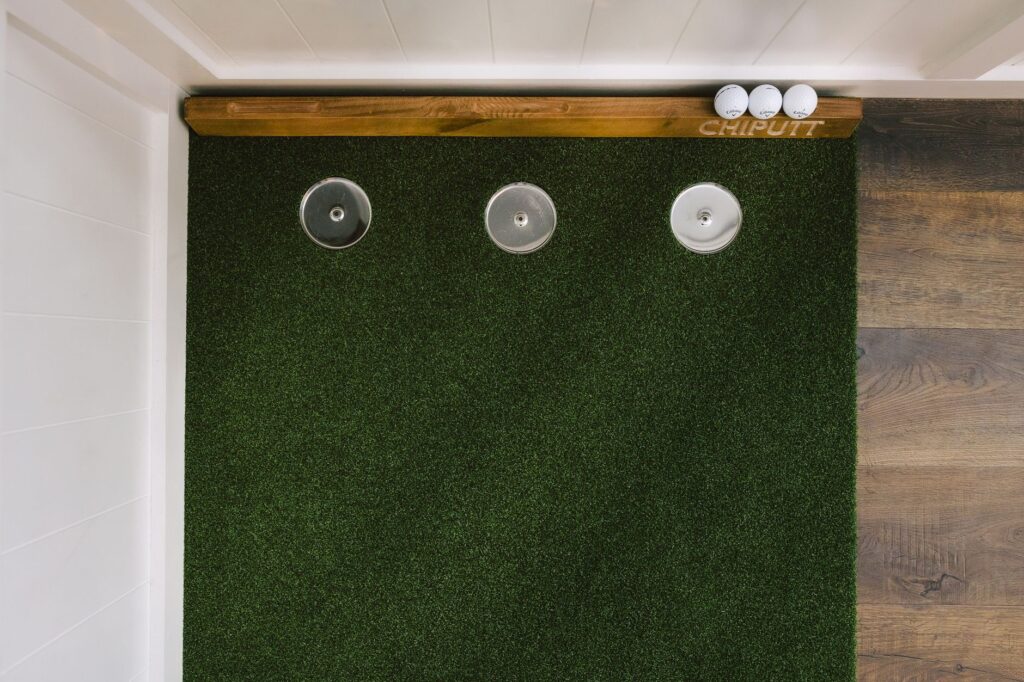
By dedicating time to these practical drills, you’ll develop a better understanding of how to read greens, ultimately leading to a more successful putting game. Consistency is key, so make sure to practice regularly for the best results. Don’t forget to explore additional resources on Top 10 Tips for Playing Dungeness Golf Course Like a Pro to further enhance your skills.
Putting it All Together: Strategies for Game Day
Pre-round Green Reading Routine
To effectively read golf greens, establishing a solid pre-round routine is essential. This routine prepares you both mentally and physically for the challenges ahead. Here’s a step-by-step guide to help you focus on your putting green reading:
- Arrive Early: Give yourself ample time to familiarize yourself with the course. Arriving at least an hour before your tee time allows you to inspect the greens and practice your putting.
- Observe the Greens: Take a walk around the putting greens and analyze the slopes. Look for any subtle breaks and changes in elevation. A good slope analysis will help you understand how the ball will roll.
- Practice Putting: Spend about 10-15 minutes on the practice green. Focus on different lengths of putts, paying attention to the grain and speed of the greens. This real-time experience can provide valuable insights for your rounds.
- Visualize Your Putts: As you practice, visualize your putts on the course. Imagine how you will approach each shot based on your observations.
Staying Composed Under Pressure
Once you’re on the course, the ability to read golf greens effectively can be overshadowed by nerves, especially in competitive scenarios. Here are some strategies to help you maintain composure:
- Trust Your Instincts: After analyzing the greens, trust your instincts. Overthinking can lead to hesitation, which may affect your stroke.
- Stay Present: Focus on the current shot rather than worrying about previous misses or upcoming holes. Mindfulness can help reduce anxiety.
- Practice Deep Breathing: If you feel overwhelmed, take a moment to breathe deeply. This technique can calm your nerves and help you regain focus.
By combining a thorough pre-round green reading routine with mental strategies to stay calm under pressure, you’ll be better equipped to read golf greens like a pro on game day.

Learning to read golf greens effectively is a game-changer for any golfer. By mastering putting green reading techniques and understanding how to conduct slope analysis, you can significantly improve your putting performance. Remember, it’s all about observing the nuances of the green’s surface and using that information to guide your shots. With practice, you’ll become more adept at predicting how your ball will roll based on the green’s characteristics.
The next time you step onto the course, take a moment to pause and analyze the green before you putt. Trust your instincts and the skills you’ve developed. As you continue to refine your ability to read golf greens, you’ll find that each round becomes not just a test of skill, but a rewarding experience filled with newfound confidence. So grab your putter, head to the course, and start putting your newfound knowledge into action!
“`html
How can I effectively read golf greens?
To effectively read golf greens, start by observing the overall slope and contours of the green. Look for areas that might influence the ball’s path, such as ridges or valleys. Take note of any changes in elevation from your ball to the hole. Additionally, examine the grass type and its growth direction, which can affect the speed and break of your putt. Practice making visual assessments and trust your instincts, as experience will enhance your ability to read golf greens accurately.
What are the best tips for putting green reading?
Some of the best tips for putting green reading include taking your time to assess the green from multiple angles, which will help you identify slopes and breaks. Use your feet to feel the slope as you walk on it, and pay attention to the grass grain. Always consider the wind and how it might affect your putt. Lastly, practice visualizing the ball’s path before you putt to develop your putting green reading skills over time.
How do I analyze the slope of a putting green?
To analyze the slope of a putting green, begin by standing behind your ball and looking at the hole. Identify the highest and lowest points on the green, and observe how the surface flows between them. Use your feet to assess the slope by walking on it and feeling the incline. Additionally, a level can be helpful for precise slope analysis, especially when preparing for longer putts. Understanding the overall slope will aid in predicting how your ball will break as it approaches the hole.
What tools can help with reading golf greens?
Several tools can assist you in reading golf greens more effectively. A putting green book or map can provide detailed information about the slopes and undulations of a specific green. Additionally, a level or slope indicator can help you measure inclines accurately. Some golfers also use apps designed for golf course navigation that provide insights into green conditions. Combining these tools with your observation skills can significantly improve your ability to read golf greens.
How does grass grain affect putting?
Grass grain can significantly affect putting by influencing the speed and direction of your putt. When the grain is growing toward the hole, the putt will generally roll faster. Conversely, if the grain is growing against the putt, it may slow down. Observing the grass direction can help you anticipate how the ball will behave. Always consider the grain when reading golf greens, as it can be a crucial factor in making accurate putts.
What drills can improve my green reading skills?
To improve your green reading skills, practice drills that enhance your observational abilities. One effective drill involves putting from various distances on a green while focusing on reading breaks and slopes. Another drill is to play a round of golf with a focus on analyzing each putt and discussing your readings with a partner. Additionally, try using a straight edge or alignment stick to visualize the line of your putts. Consistent practice will help you develop a better understanding of how to read golf greens.
“`