
If you’re looking to improve putting and elevate your golf game, you’re in the right place. Putting can make or break your scorecard, and mastering this crucial aspect of golf is key to lowering scores. In this article, we’ll delve into a comprehensive 30-day plan designed to enhance your putting skills. We’ll explore the importance of focusing on putting, providing you with a week-by-week guide to structured golf practice. Each week will introduce practical putting drills tailored to develop your technique and consistency. Additionally, we’ll touch on the psychological side of putting, highlighting the mindset and focus needed for success. Tracking your progress is essential, so we’ll discuss effective methods to measure your improvement in putting. By the end of this journey, you’ll be equipped with the tools and knowledge to commit to continuous improvement. Ready to transform your game? Let’s get started! For further insights, check out this guide on putting techniques to complement your practice.
Why You Should Focus on How to Improve Putting
The Importance of Putting in Golf
Putting is often termed the most crucial aspect of golf, and for good reason. Studies show that around 40% of all strokes in a round come from putting. If you want to improve putting, you need to recognize that even marginal gains in this area can significantly lower scores. By honing your putting skills, you’re not merely enhancing your game; you’re creating opportunities for birdies and pars that might otherwise slip away.
When you engage in effective golf practice, dedicating time to putting can yield impressive results. Unlike other parts of the game that rely heavily on power or distance, putting is about precision and consistency. Therefore, prioritizing your putting skills is essential for anyone serious about lowering their scores.
Common Mistakes in Putting Technique
Even seasoned golfers often fall into common traps that hinder their performance on the greens. One prevalent mistake is neglecting alignment. Many players think they are aiming correctly, but in reality, they might be misaligned. This can lead to inconsistent strokes and missed opportunities. Another frequent issue is grip pressure; gripping the putter too tightly can restrict your natural stroke flow.
- Improper stance: Ensure your feet are shoulder-width apart for better balance.
- Inconsistent practice: Regular putting drills can help reinforce good habits.
- Overthinking: Trust your instincts; too much analysis can disrupt your rhythm.
By addressing these common pitfalls, you can make strides to improve putting and enhance your overall game. Remember, successful golf instruction emphasizes the importance of solid putting, so don’t overlook this critical area in your training regimen.

30-Day Plan to Improve Putting: Week by Week
Week 1: Assess Your Current Skills
To truly improve putting, you need to start by assessing where you currently stand. This means taking the time to objectively evaluate your putting skills. Grab a scorecard and track your performance on the greens over a few rounds. How many putts are you averaging per round? Are you consistently three-putting? Identifying these metrics will give you a baseline to work from.
Additionally, take note of your strengths and weaknesses. Are you better at short putts but struggle with longer ones? Understanding your game will help you focus on specific areas for improvement. Remember, the goal is to lower scores, and a solid grasp of your current skills is the first step in that direction.
Week 2: Introduce Targeted Putting Drills
Once you’ve assessed your skills, it’s time to dive into putting drills that focus on distance control and accuracy. Try the “Gate Drill,” where you set up two alignment sticks just wider than your putter head. This exercise forces you to make precise strokes, helping to eliminate any unwanted movements. 
Another effective drill is the “Ladder Drill,” which involves placing balls at varying distances from the hole. This will help you develop a better feel for distance, crucial for making those longer putts. Set a goal to complete these drills at least three times a week for maximum impact.
Week 3: Incorporate Golf Practice Strategies to Improve Putting
As you move into Week 3, consistency becomes key. Integrate your putting drills into your regular golf practice routine. Spend dedicated time on the putting green, focusing specifically on the areas you’ve identified as weaknesses. Use your practice sessions to simulate real-game scenarios, like practicing putts under pressure or after a long drive.
Consider dedicating 30 minutes before or after your regular rounds to work specifically on putting. This will help reinforce what you’ve been practicing and make it second nature during actual play. The more you practice consistently, the better you’ll become at reading greens and sinking those crucial putts.
Week 4: Fine-tune with Golf Instruction
Finally, don’t underestimate the value of professional golf instruction. In Week 4, consider booking a session with a golf pro who can provide personalized feedback on your technique. They can identify subtle flaws that you may not notice and suggest tailored drills to further enhance your skills.
Receiving expert advice can make a significant difference in your putting performance. By this point in your 30-day plan, you should have a solid foundation to build on, but a pro can help you refine those techniques to achieve the best results.
By following this structured 30-day plan to improve putting, you’re setting yourself up for success on the greens. Each week builds on the last, ensuring a comprehensive approach that focuses on assessment, practice, and refinement. Stick with it, and soon enough, you’ll be sinking more putts and lowering your scores.
Practical Putting Drills to Implement
Drill 1: The Gate Drill to Improve Putting
The Gate Drill is one of the most effective ways to improve putting accuracy. This drill requires two alignment sticks or clubs placed about an inch apart, forming a “gate” on the line of your putt. Position the gate a few feet from the hole, and practice rolling your ball through the space without hitting either stick. The key here is to maintain a consistent stroke and focus on your target. By forcing yourself to roll the ball through the gate, you cultivate a more precise stroke and better alignment.
Benefits include enhanced focus and reduced tendency to pull or push putts. When you can successfully roll the ball through the gate, you’ll likely find that your confidence increases, helping you lower scores on the greens. This drill emphasizes the importance of proper setup and alignment, crucial elements in any golf instruction.
Drill 2: Distance Control Drill
The Distance Control Drill is essential for mastering the feel of your putts. Start by placing three balls at different distances: three feet, six feet, and ten feet from the hole. Your goal is to get each ball to stop just past the hole. Initially, focus on a light, smooth stroke rather than speed. As you improve, challenge yourself to make the putts from these distances. This drill is not only about sinking the ball but also about understanding how much force is needed to achieve the right distance.
Practicing this drill regularly can significantly enhance your touch on the greens, making it easier to gauge how hard to hit the ball in various situations. Improving your distance control can lead to fewer three-putts, ultimately helping you lower scores during your rounds.
Incorporating these putting drills into your golf practice routine will undoubtedly help improve putting skills over the next 30 days. The focus on precision and distance will pay off, not just in practice but during your actual rounds, leading to a more satisfying golfing experience.
Mindset and Focus: The Psychological Side of Putting
Improving your putting isn’t just about technique; it’s also about your mental approach. The mind plays a critical role in sports performance, and this is especially true on the greens. A positive mindset can significantly influence your putting performance, helping you to stay calm and focused even under pressure.
Staying Calm Under Pressure
During crucial moments in a round, anxiety can creep in, leading to mistakes and missed opportunities. To counter this, golfers must develop strategies to maintain composure. Breathing exercises can help, allowing you to center your thoughts and focus on the task at hand. Remember, great putters often thrive in high-pressure situations by trusting their instincts and training. Regular golf practice that incorporates stressful scenarios, like putting in front of friends or during tournaments, can build the confidence needed to lower scores.
Visualization Techniques to Improve Putting
Visualization is another powerful tool that can significantly enhance your putting. Before stepping onto the green, take a moment to mentally rehearse your putt. Visualize the ball’s path and imagine it rolling smoothly into the hole. This technique not only boosts your confidence but also helps you focus on your mechanics, reinforcing the lessons learned from golf instruction and putting drills. Studies have shown that mental imagery can lead to improved performance, making it an essential part of your routine.
Incorporating these mental strategies into your practice can help you improve putting over time. The psychological side of golf often gets overlooked, but mastering it can make all the difference in your performance. With a solid mindset and focused approach, you can transform your putting game and enjoy greater success on the course.
Tracking Progress: Measuring Improvement in Your Putting
To truly improve putting over the course of 30 days, tracking your progress is essential. Without measuring where you started, it’s nearly impossible to see how far you’ve come. Two effective ways to monitor your development are keeping a putting journal and utilizing technology.
Keeping a Putting Journal
A putting journal is a straightforward yet powerful tool. By regularly documenting your practice sessions, you can note your successes and identify areas for improvement. Record details such as the number of successful putts, distances, and specific putting drills you employed. This practice not only highlights your progress but also helps solidify the lessons learned during each round of golf practice.
Additionally, reflecting on your performance can bring clarity to your game. Are you consistently missing on the left side? Jot that down. By recognizing patterns in your game, you can tailor your golf instruction to address specific weaknesses, leading to lower scores on the course.
Using Technology to Analyze Your Game
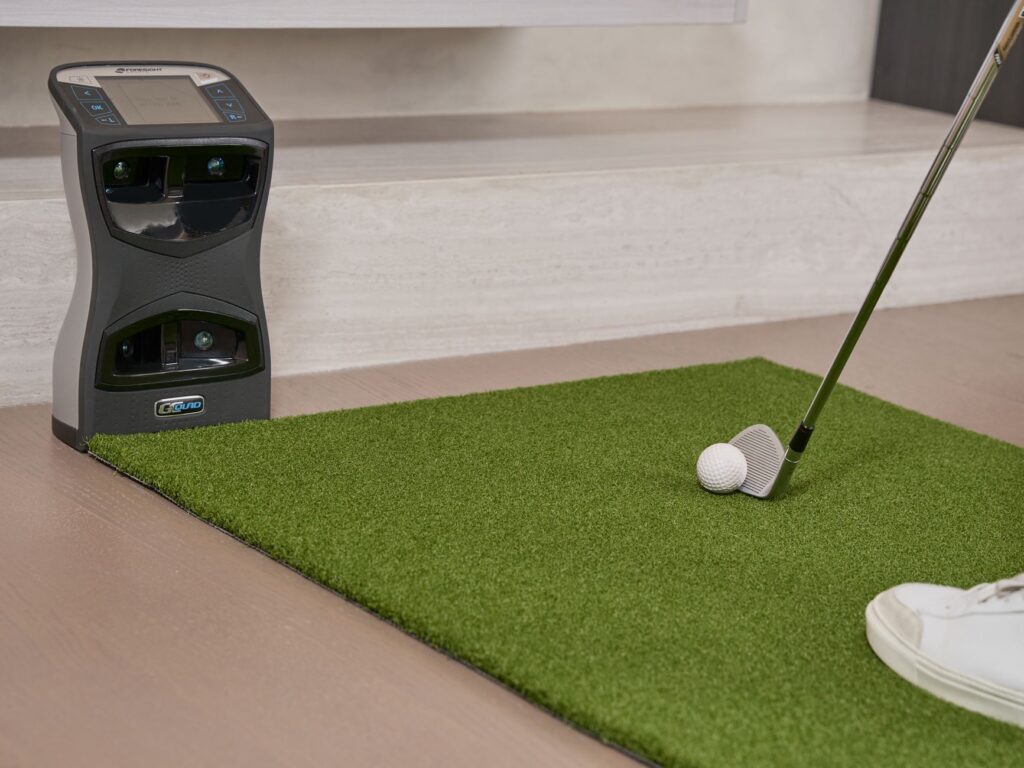
In today’s digital age, technology can significantly enhance your ability to improve putting. Numerous apps and devices are available that analyze your putting performance in real time. For instance, smart golf watches or putting sensors track metrics like stroke speed and angle, providing invaluable data. This technology helps you pinpoint what works and what doesn’t, allowing for targeted adjustments in your practice routine.
Combining a putting journal with technological insights creates a comprehensive approach to tracking your progress. While some may argue that traditional methods suffice, integrating tech can provide a level of detail that simply isn’t attainable with manual recording alone. Ultimately, whether you prefer pen and paper or digital devices, the key is to stay consistent in tracking your improvement.

By effectively measuring your progress, you’ll not only see tangible results but also develop a deeper understanding of your game. Embrace both methods to ensure that your efforts to improve putting lead to meaningful change on the course.
Conclusion: Commit to Continuous Improvement
Improving your putting is not just a 30-day challenge; it’s a lifelong journey. Throughout this article, we’ve explored various strategies that can help you enhance your skills, from structured putting drills to effective golf practice routines. Each method reinforces the idea that consistent effort leads to lower scores and a more enjoyable game. The importance of golf instruction cannot be overstated, as it provides personalized feedback that can accelerate your progress.
While you may experience significant improvement in just a month, the true test lies in your commitment to maintaining that momentum. Many golfers fall into the trap of complacency after seeing initial results. It’s vital to remember that the skills you develop can quickly erode without ongoing practice. Therefore, continuing to incorporate putting drills into your routine will help solidify the changes you’ve made and keep you competitive on the course.
Moreover, embracing a mindset of continuous improvement encourages you to seek out new challenges and refine your techniques. Whether it’s experimenting with different grips or adjusting your stance, always be open to evolving your approach. The journey to improve putting is filled with learning opportunities, so stay dedicated even after the initial 30 days.
As you embrace this commitment, remember that golf is as much about mental resilience as it is about physical skill. Celebrate your progress, but never lose sight of the next step. Your willingness to keep pushing boundaries will not only improve your putting but also elevate your entire game.

To truly improve putting, consistency is key. Incorporate a variety of putting drills into your regular golf practice to develop your technique and build muscle memory. Whether you focus on distance control or alignment, these drills will help you refine your skills and ultimately lead to lower scores on the course. Remember, every stroke counts, and improving your putting can make a significant difference in your game.
Consider seeking out quality golf instruction to further enhance your understanding of the mechanics behind effective putting. Having a knowledgeable coach can provide personalized feedback and help you identify areas for improvement. Now, take the first step: set a goal to dedicate at least 15 minutes each day to focused putting practice. With dedication and the right approach, you’ll be amazed at how quickly you can see progress in your game.
“`html
What are the best drills to improve putting?
Some of the best drills to improve putting include the “Gate Drill,” which helps with alignment and stroke path, and the “One-Handed Putting Drill,” which enhances feel and control. The “Distance Control Drill” is also effective for practicing different lengths of putts. Incorporating these putting drills into your routine can significantly enhance your skills and consistency on the greens.
How can I track my putting progress?
To track your putting progress, maintain a putting journal where you log your practice sessions, including the drills you performed and your performance metrics such as the number of successful putts from various distances. Additionally, using mobile apps designed for golfers can help you monitor your stats over time, giving you insights into areas needing improvement.
What is the importance of putting in golf?
Putting is crucial in golf as it accounts for a significant portion of strokes taken during a round. Improving your putting can help lower scores and enhance overall performance. Mastering the greens allows players to capitalize on good drives and approach shots, making it essential for any golfer looking to improve their game.
How often should I practice putting?
For optimal results, aim to practice putting at least three times a week, dedicating 30 to 60 minutes per session. Consistent practice is key to developing muscle memory and improving your skills. It’s also beneficial to mix up your drills and focus on different aspects of your putting game during each session.
Can golf instruction help improve my putting?
Yes, golf instruction can greatly enhance your putting skills. A qualified instructor can provide personalized feedback on your technique, help you identify weaknesses, and develop a tailored practice plan. Instruction can also introduce you to new drills and strategies, making your practice sessions more effective and productive.
What are common mistakes to avoid in putting?
Common mistakes in putting include poor alignment, inconsistent grip pressure, and lack of focus during the stroke. Additionally, many golfers fail to control their speed effectively, leading to missed putts. Being aware of these pitfalls and working on them during practice can help you improve putting and achieve better results on the course.
“`