

Golf nutrition plays a crucial role in enhancing your performance on the course. Whether you’re a seasoned pro or a weekend warrior, understanding how to fuel your body can make all the difference in your game. In this article, we’ll explore the fundamentals of creating a balanced diet plan tailored specifically for golfers, focusing on how proper nutrition can boost your energy levels and overall performance. We will delve into hydration, an often overlooked aspect of golf nutrition, and discuss the importance of pre-game meals to ensure you’re primed for success. Additionally, we’ll cover post-game recovery strategies that aid muscle repair, ensuring that you’re ready for your next round. With practical tips for implementing effective golf nutrition strategies into your routine, you’ll be well-equipped to elevate your game. Let’s tee off into the world of nutrition designed for athletes like you, and discover how the right diet can lead to improved performance on the green.
Understanding Golf Nutrition for Optimal Performance
The Importance of Nutrition for Golfers
When it comes to enhancing performance on the golf course, golf nutrition plays a crucial role. A well-structured diet can significantly impact energy levels, focus, and overall endurance during a round. Golfers need to sustain their performance over several hours, often in varying weather conditions, which makes proper nutrition essential. By fueling your body correctly, you can improve concentration and reduce fatigue, allowing you to maintain your best form throughout the game.
Key Nutrients for Golf Performance
In crafting an effective athlete diet, it’s important to focus on the right balance of macronutrients. Here’s a breakdown of how carbohydrates, proteins, and fats contribute to your performance:
- Carbohydrates: These are your primary source of energy. Foods like whole grains, fruits, and vegetables provide the fuel needed for long rounds. Aim to consume complex carbohydrates for sustained energy release.
- Proteins: Essential for muscle repair and recovery, proteins should be included in your diet plan. Good sources include lean meats, fish, eggs, and plant-based options like legumes.
- Fats: Healthy fats, such as those from avocados, nuts, and olive oil, are important for long-term energy and overall health. They help maintain energy levels and support hormone production.
Integrating these nutrients into your meals can set you up for success on the course. Pay attention to portion sizes and meal timing to maximize your energy levels during play. train like pro golfer

Creating a Balanced Diet Plan for Golfers
Essential Food Groups for Golfers
A balanced diet plan is crucial for golfers aiming to enhance their performance on the course. It’s essential to focus on foods that provide sustained energy and support overall athletic performance. Here are the key food groups to include:
- Complex Carbohydrates: Foods like whole grains, oats, and brown rice supply slow-releasing energy, helping you maintain stamina throughout your game.
- Lean Proteins: Incorporate chicken, fish, beans, and legumes to support muscle repair and recovery.
- Healthy Fats: Avocados, nuts, and olive oil are excellent for providing long-lasting energy and aiding in nutrient absorption.
- Fruits and Vegetables: Aim for a variety of colors to ensure you get a wide range of vitamins and minerals, particularly those that combat inflammation and support recovery.
By focusing on these food groups, golfers can create a diet rich in essential nutrients that contribute to peak performance on the course.
Sample Diet Plan for a Day on the Course
Here’s a sample diet plan that incorporates the principles of golf nutrition and can be easily followed during a day on the course:
- Breakfast: Oatmeal topped with fresh berries and a handful of nuts.
- Mid-Morning Snack: A banana and a protein bar.
- Lunch: Grilled chicken wrap with mixed greens, tomatoes, and avocado, served with a side of quinoa salad.
- Afternoon Snack: Greek yogurt with honey and sliced almonds.
- Dinner: Baked salmon with roasted sweet potatoes and steamed broccoli.
This balanced diet plan not only provides the energy needed for an entire day of golfing but also aligns with the athlete diet principles that support optimal performance. Remember to stay hydrated, especially during long rounds.

For more insights on how to tailor your nutrition to fit your golfing needs, check out our detailed fairway shot tips.
Hydration: The Overlooked Aspect of Golf Nutrition
When it comes to golf nutrition, hydration often takes a backseat to diet plans and meal timing. However, staying properly hydrated is crucial for optimal performance on the course. Dehydration can lead to fatigue, decreased concentration, and impaired physical performance, all of which can hinder your game. In fact, studies show that even a 2% drop in hydration can negatively affect performance, making it essential for golfers to prioritize fluid intake.
Why Hydration Matters
Golf is a sport that requires both mental and physical stamina, and maintaining hydration is key to sustaining energy levels throughout a round. Water plays a vital role in temperature regulation, joint lubrication, and nutrient transport, which are all critical for golfers. According to the National Institutes of Health, athletes, including golfers, should aim to drink enough fluids to replace any losses from sweat and exertion.
Tips for Staying Hydrated on the Course
- Pre-Hydrate: Start your round well-hydrated. Drink 16-20 ounces of water at least two hours before teeing off.
- Keep It Accessible: Carry a water bottle or hydration pack during your game. Having water readily available encourages regular sipping.
- Electrolyte Balance: Consider adding electrolyte drinks to your regimen, especially on hot days, to maintain balance and energy levels.
- Monitor Your Urine: A simple way to check hydration is to monitor the color of your urine; pale yellow indicates proper hydration.
- Post-Round Recovery: After your game, replenish lost fluids. Aim for at least 16-24 ounces of water to aid recovery.
Incorporating these hydration strategies into your athlete diet can significantly enhance performance and recovery. Remember, hydration is a crucial component of golf nutrition that should not be neglected.

Pre-Game Meals: Fueling for Success
When it comes to golf nutrition, what you eat before hitting the course can significantly impact your performance. Proper pre-game meals can help you maintain optimal energy levels, focus, and stamina throughout your round. Knowing what to eat and when to eat it can make all the difference.
What to Eat Before a Round
For a balanced pre-game meal, focus on carbohydrates, lean proteins, and healthy fats. These macronutrients work together to provide sustained energy. Here are some effective meal options:
- Oatmeal with Fruit and Nuts: This combination offers complex carbs from oats, vitamins from fruit, and healthy fats from nuts.
- Grilled Chicken Salad: Packed with lean protein and a variety of greens, this meal helps maintain energy without feeling too heavy.
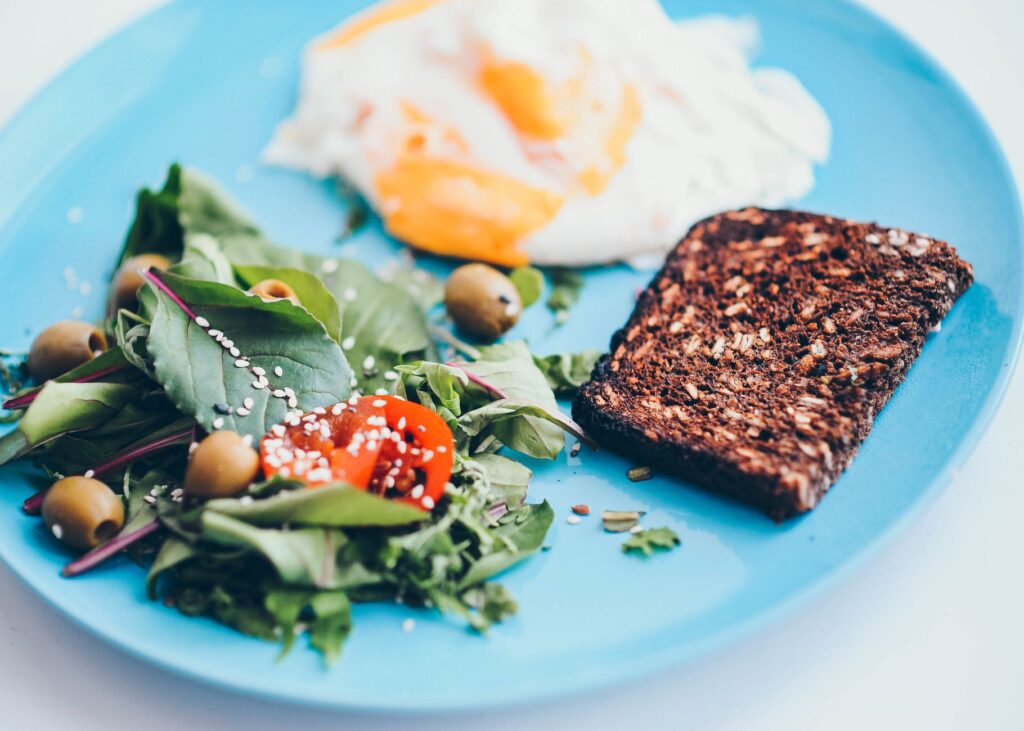
- Whole Grain Toast with Avocado and Eggs: This option provides a great mix of healthy fats and proteins, ideal for those early tee times.
These meals not only support your athlete diet but also ensure that you’re fueled for the challenges ahead. Incorporating these foods into your diet plan can enhance your overall performance on the course.
Timing Your Meals for Maximum Energy
When it comes to timing, aim to eat your pre-game meal about 2-3 hours before your tee time. This allows your body enough time to digest the food and convert it into usable energy. If you’re in a pinch and time is tight, a small snack 30-60 minutes prior can help. Consider options like a banana, a handful of nuts, or a protein bar for a quick energy boost.
By strategically planning your meals, you can ensure that your body is primed and ready for peak performance. Remember, effective golf nutrition can lead to improved focus and endurance on the course.
Post-Game Recovery: Nutrition for Muscle Repair
What to Eat After Golf
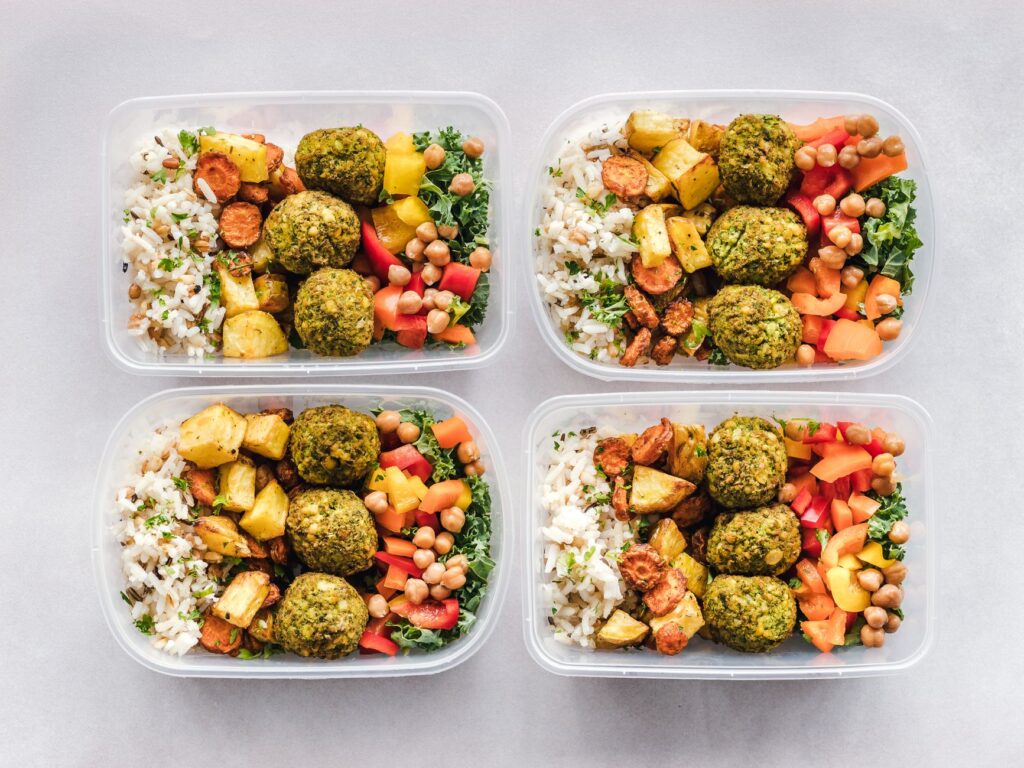
After a long day on the golf course, your body needs the right fuel to recover effectively. Post-game nutrition plays a crucial role in muscle repair and overall recovery. Aim to consume a meal or snack that combines carbohydrates with protein within 30 to 60 minutes after your round. This combination helps replenish glycogen stores and promotes muscle repair.
Some excellent options include:
- Grilled chicken or turkey wrap: Packed with lean protein and whole-grain carbs.
- Greek yogurt with fruit: A great source of protein and quick-digesting carbohydrates.
- Protein smoothie: Blend whey protein with banana and spinach for a nutrient-dense option.
- Quinoa salad: Combine quinoa with beans, veggies, and a light dressing for a filling meal.
Hydration is equally important. Consider drinking water or a low-sugar electrolyte beverage to help restore fluids lost during play. This is vital for maintaining your energy levels and preparing your body for the next round.
Importance of Recovery Nutrition in Golf Nutrition
Recovery nutrition is often an overlooked aspect of a golfer’s athlete diet. Consuming the right nutrients can significantly enhance your performance on the course. Studies show that proper post-game nutrition can reduce muscle soreness and improve recovery time (source). By prioritizing your recovery meals, you can ensure that your body is ready for the next challenge.
To sum it up, incorporating a thoughtful diet plan that focuses on post-game nutrition is essential for any golfer looking to improve their performance. By eating the right foods and staying hydrated, you can support muscle repair and maintain your energy levels for future rounds. Don’t underestimate the power of good golf nutrition, as it can make all the difference in your game.

Practical Tips for Implementing Golf Nutrition
How to Stick to Your Diet Plan
Maintaining a solid diet plan while on the golf course can be challenging. Here are some practical tips to help you stay on track:
- Plan Ahead: Prepare meals and snacks in advance. Pack healthy options such as nuts, fruits, and protein bars to avoid unhealthy temptations.
- Stay Hydrated: Drink plenty of water throughout your round. Dehydration can lead to fatigue and decreased performance.
- Mindful Eating: Pay attention to portion sizes and avoid skipping meals. Consistency is key for maintaining your energy levels during play.
Making Healthy Choices on the Course
When dining out or snacking between holes, making the right choices can significantly impact your performance. Here are some strategies:
- Choose Wisely: Opt for grilled or baked options over fried foods. Lean proteins, whole grains, and plenty of vegetables should be your go-to.
- Smart Snacking: Keep healthy snacks on hand, like energy bars or trail mix, which align with your athlete diet and provide sustained energy without sugar crashes.
- Read Menus: Familiarize yourself with the menu before arriving at the course. Look for healthier options and plan your meal choices accordingly.
Implementing effective golf nutrition strategies can enhance your performance and ensure you stay energized throughout your game. By planning ahead and making conscious choices, you can fully enjoy your time on the course while prioritizing your health and performance. For more tips on optimizing your nutrition, check out our guide on improve golf swing.
Focusing on golf nutrition can significantly enhance your performance on the course. By planning a well-balanced diet plan that incorporates the right nutrients, you can maintain your energy levels throughout the game. Remember, even small changes to your athlete diet can yield impressive results, so pay attention to what fuels your body.
As you strive for improvement, consider integrating these nutritional strategies into your routine. Start by evaluating your current meals and make adjustments that support your performance goals. Whether it’s optimizing your pre-game snack or ensuring you’re hydrated, every bit counts. Begin today by experimenting with your golf nutrition choices and see how they can elevate your game.
“`html
What is the best diet for golfers?
The best diet for golfers focuses on balanced nutrition that supports energy levels, concentration, and overall performance. A diet rich in whole grains, lean proteins, healthy fats, fruits, and vegetables is ideal. Incorporating foods high in antioxidants, such as berries and leafy greens, can help reduce inflammation. A personalized athlete diet tailored to your individual needs and preferences is essential for optimal performance on the course.
How does nutrition affect golf performance?
Nutrition plays a crucial role in golf performance by influencing energy levels, endurance, and mental focus. Proper golf nutrition can enhance physical capabilities, allowing players to maintain stamina throughout the game. Foods rich in carbohydrates provide the necessary fuel for sustained activity, while protein supports muscle repair. A well-nourished golfer is likely to have better concentration and make fewer mistakes on the course.
What should I eat before playing golf?
Before playing golf, focus on a meal that combines complex carbohydrates, lean protein, and healthy fats to provide sustained energy. Options include oatmeal topped with nuts and fruit, a whole grain sandwich with turkey and avocado, or a smoothie made with spinach, banana, and protein powder. Aim to eat at least 1-2 hours before your round to allow for proper digestion and optimal performance on the course.
How can I improve my energy levels for golf?
Improving energy levels for golf involves a combination of proper nutrition, hydration, and rest. Ensure you consume a balanced diet rich in carbohydrates for quick energy, along with protein for sustained fuel. Incorporating snacks like nuts or energy bars during the game can help maintain energy. Additionally, staying hydrated is crucial, as dehydration can lead to fatigue. Consider adopting a consistent sleep schedule to ensure adequate rest and recovery.
What are some quick snacks for golfers?
Quick snacks for golfers should be portable, nutritious, and energy-boosting. Great options include mixed nuts, granola bars, yogurt, or fruit like bananas and apples. Trail mix made with dried fruits and seeds can also provide a quick energy boost. These snacks will help maintain energy levels during rounds without weighing you down or causing digestive discomfort on the course.
How important is hydration while playing golf?
Hydration is vital while playing golf, as even mild dehydration can impair performance and concentration. Golfers should aim to drink water regularly throughout their rounds, especially on hot days. Electrolyte drinks can also be beneficial, particularly for longer rounds or intense heat. Staying adequately hydrated helps maintain energy levels, supports muscle function, and enhances overall focus, making it essential for optimal performance.
“`