

Tight fairway golf can be both an exhilarating and challenging experience for players of all skill levels. When faced with narrow landing zones and strategically placed hazards, accuracy becomes paramount. In this article, we’ll delve into the nuances of playing on tight fairways, exploring effective strategies that can enhance your course management skills. You’ll learn how to navigate tricky layouts, select the right club, and make decisions that will help you stay on track. Additionally, we will discuss the importance of practicing specifically for tight fairway golf, ensuring that your swings are refined and precise. The mental game is equally important, as the pressure of tight fairways can lead to mistakes if not managed properly. By the end of this article, you’ll be equipped with the knowledge and techniques necessary to embrace the challenge of tight fairway golf and improve your overall performance on the course. Ready to tighten your game? Let’s dive in!
Understanding Tight Fairway Golf
What Are Tight Fairways?
Tight fairways in golf refer to narrow strips of playable land that are bordered closely by hazards such as trees, water, or rough terrain. These fairways present a unique challenge, as they require precision and skill to navigate effectively. When faced with tight fairway golf, players must be acutely aware of their surroundings and the risks involved in each shot. Missing the fairway can lead to tricky lies, difficult angles, and increased chances of penalty strokes.
In many cases, courses with tight fairways emphasize strategic course management. Players must consider not only their distance but also the trajectory and placement of their shots. This requires a delicate balance between power and finesse, making the game both challenging and rewarding.
Why Accuracy Matters in Tight Fairway Golf
Accuracy is paramount when playing on tight fairways. A well-placed shot can set up an easier approach to the green, while an errant drive could lead to trouble. According to the National Golf Foundation, players who prioritize accuracy over sheer distance tend to perform better on courses with narrow fairways.
To improve your accuracy, consider focusing on your stance, grip, and alignment. Additionally, using a club that you feel comfortable with can help you find that sweet spot between distance and control. Remember, in tight fairway golf, hitting the fairway consistently is often more important than trying to reach the green in regulation.
By honing your skills in accuracy and practicing effective course management, you can navigate tight fairways with confidence, leading to better scores and a more enjoyable game.

Strategies for Playing on Tight Fairways
Mastering tight fairway golf requires precision and smart course management. When you’re faced with narrow fairways, your strategy must adapt to enhance your accuracy and minimize risks. Here are some actionable tips to help you navigate tight fairways successfully.
Club Selection for Accuracy
Choosing the right club is crucial for maintaining accuracy on tight fairways. Here are some tips for effective club selection:
- Prioritize Control Over Distance: Opt for a club that offers better control rather than maximum distance. In many cases, using a 3-wood or hybrid can be more beneficial than a driver when aiming for narrow fairways.
- Know Your Distances: Familiarize yourself with your average distances for each club. This knowledge will allow you to select the right club based on the specific hole layout and the distance to the target.
- Consider the Lie: Evaluate the condition of your lie before selecting a club. If the ball is in the rough, a more forgiving club can help you regain accuracy.

Course Management Techniques for Tight Fairway Golf
Effective course management is essential when playing on tight fairways. Here are some strategies to help you stay out of trouble:
- Play to Your Strengths: Identify your strengths and weaknesses as a golfer. If you’re more accurate with shorter clubs, don’t hesitate to hit them off the tee to avoid hazards.
- Aim for Safe Targets: Instead of aiming directly at flags, focus on larger targets like the center of the fairway or a safe zone. This reduces the risk of missing narrow fairways and increases your chances of a better approach shot.
- Visualize the Shot: Before executing your shot, take a moment to visualize the trajectory and landing area. This mental preparation can enhance your focus and reduce anxiety.
By implementing these strategies for tight fairway golf, you can improve your accuracy and overall performance on the course. Remember, a thoughtful approach combined with precise club selection can lead to better outcomes on those challenging tight fairways.
Practicing for Tight Fairway Golf Success
Mastering tight fairway golf requires not just skill but also strategic practice. Improving your accuracy and understanding course management can significantly enhance your performance. Here are some effective drills and techniques to help you excel in challenging fairway situations.
Drills to Improve Accuracy
To navigate narrow fairways effectively, increasing your accuracy is essential. Here are a few drills to incorporate into your practice routine:
- Target Practice: Set up targets at varying distances on the range. Use alignment sticks or cones as visual aids to help you focus on hitting specific areas.
- One-Handed Swings: Practice hitting balls with just your lead hand. This drill emphasizes proper grip and swing path, enhancing your control over the club.
- Pinpoint Approach: Use a wedge to practice approach shots from 100 yards. Aim for a small target area to develop precision, mimicking the constraints of tight fairway golf.
Simulating Course Conditions for Tight Fairway Golf
Practicing under conditions that mimic real course scenarios can prepare you for the pressure of tight fairway situations. Consider the following methods:
- Play with Obstacles: If possible, set up obstacles such as trees or bunkers in your practice area. This can help you learn how to navigate around hazards that may appear on the course.
- Use Narrow Targets: On the driving range, use narrower targets to simulate the experience of hitting from a tight fairway. This will help you develop a more precise aim.
- Time Pressure: Set a timer while practicing your shots. This will help you simulate the pressure of making quick decisions during a round.
By integrating these drills and strategies into your practice routines, you can enhance your accuracy and improve your overall course management. Remember, consistent practice in conditions that reflect tight fairway golf scenarios will lead to greater confidence when facing such challenges on the course.

Mental Game in Tight Fairway Golf
Playing tight fairway golf can be as much a test of mental fortitude as it is of technical skill. The pressure of navigating narrow corridors while aiming for precision can easily lead to anxiety and distractions. Mastering your mental game is crucial for success.
Staying Focused Under Pressure
When faced with tight fairways, the stakes feel higher. It’s essential to maintain focus and composure. Here are a few strategies to help you stay calm:
- Breath Control: Deep, controlled breaths can help lower anxiety levels. Take a moment to inhale deeply, hold for a few seconds, and exhale slowly before addressing the ball.
- Routine: Develop a consistent pre-shot routine. This can ground you and reinforce your focus, making it easier to block out distractions.
- Positive Self-Talk: Replace negative thoughts with affirmations. Remind yourself of your abilities and past successes, reinforcing a winning mindset.
By implementing these techniques, you can enhance your accuracy and boost your confidence, even in the most challenging conditions.
Visualizing Your Shots in Tight Fairway Golf
Visualization is a powerful tool that can elevate your performance on the course. Before each shot, take a moment to visualize the entire process:
- Picture the Ideal Shot: Close your eyes and imagine the ball’s trajectory, landing softly on the fairway.
- Focus on the Target: Instead of getting overwhelmed by the tightness of the fairway, concentrate on a specific target area. This helps in directing your shot with precision.
- Envision the Result: Imagine the sound of the ball hitting the target and the satisfaction of a successful shot.
By using these visualization techniques, you can enhance your course management skills and improve your overall game. golf confidence tips
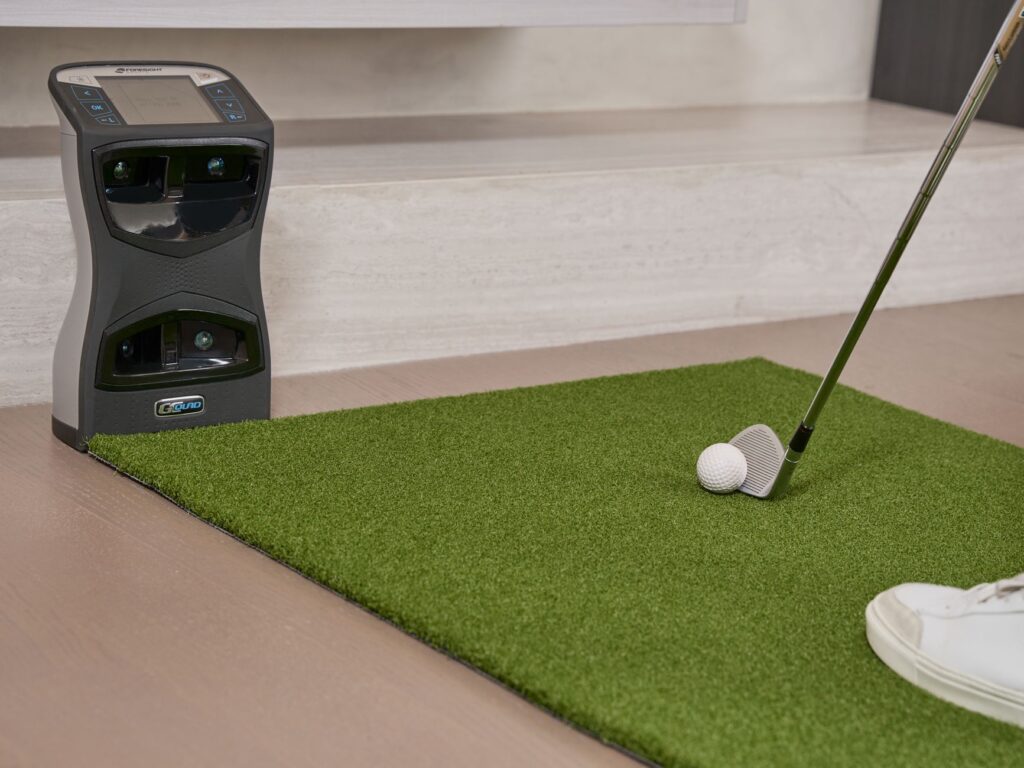
In tight fairway golf, mastering the mental aspects can be just as important as perfecting your swing. By staying focused and practicing visualization, you can navigate tight fairways with greater ease and confidence.
Conclusion: Embracing the Challenge of Tight Fairway Golf
Mastering tight fairway golf is essential for any golfer aiming to elevate their game. The challenges posed by narrow fairways require a strong focus on accuracy and effective course management. By honing these skills, you can navigate tight spaces with confidence and precision, ultimately lowering your scores and enhancing your overall experience on the course.
Accuracy is paramount when dealing with tight fairway golf. Every shot counts, and a slight miscalculation can lead to trouble in the rough or worse. Practicing with purpose, whether through driving range sessions or on-course drills, will enhance your ability to hit your intended target consistently. Remember, it’s not just about distance; it’s about placing your ball in the right position to set up your next shot.
Equally important is your approach to course management. Understanding the layout of the course and making informed decisions about when to be aggressive or conservative can greatly influence your performance. Assess each hole carefully, considering factors like wind direction and hazards. By prioritizing strategic play over sheer power, you can mitigate the risks that tight fairway golf presents.
Now is the time to apply these strategies in your own game. Each round offers a new opportunity to practice and improve. Embrace the challenge of tight fairway golf, and you may just find that it not only sharpens your skills but also adds a layer of excitement to your golfing journey.

Mastering tight fairway golf requires not just skill, but also a solid strategy. Focusing on accuracy can dramatically enhance your performance, helping you navigate those narrow lanes with ease. By prioritizing course management and understanding how to approach each hole, you can reduce the number of strokes it takes to get around the course. Remember, it’s not just about hitting the ball far; it’s about knowing when to play it safe and when to take calculated risks.
The next time you’re on the course, take a moment to assess your approach to tight fairway golf. Implement the techniques discussed, such as refining your swing and improving your focus on accuracy. Consider mapping out your strategy before each round, and watch how your scores improve. With practice and patience, you can master the art of navigating those tight fairways with confidence.
“`html
What are the best clubs for tight fairway golf?
The best clubs for tight fairway golf typically include a reliable driver, a 3-wood, and mid to short irons. A driver with a lower loft can help you keep the ball straighter off the tee, while a 3-wood is great for longer second shots from the fairway. Mid and short irons offer better control and accuracy, allowing you to navigate narrow approaches. Consider using clubs that provide you with the confidence to hit precise shots while avoiding hazards.
How can I improve my accuracy on the golf course?
Improving accuracy in golf involves several key practices. Start with solid fundamentals, including grip, stance, and posture. Regularly practicing your swing at the driving range can also enhance your consistency. Focus on alignment and aim towards your target. Additionally, consider using drills that emphasize precision, such as hitting to specific targets. Incorporating mental practice and visualization techniques can further bolster your overall accuracy on the golf course.
What are some effective course management strategies?
Effective course management strategies for tight fairway golf include knowing your strengths and weaknesses, selecting the right clubs for each shot, and understanding the course layout. Play to your strengths by choosing shots that you can execute confidently. Avoid risky plays that could lead to trouble. Always assess wind conditions and course hazards before deciding on your next shot, and plan your routes to ensure you maximize scoring opportunities while minimizing risks.
How do I practice for tight fairway golf?
Practicing for tight fairway golf requires focus on accuracy and precision. Spend time on the driving range hitting shots with various clubs, emphasizing straight and controlled strikes. Incorporate specific drills that target your weaknesses, such as hitting to narrow targets or practicing your short game around the greens. On the course, play rounds with the intention of hitting fairways and focusing on your shot selections. Regularly assess your performance to track improvements and adjust your practice accordingly.
What mental strategies help with tight fairway golf?
Mental strategies are crucial for success in tight fairway golf. Visualization can help you picture each shot before executing it, creating a mental roadmap. Stay calm under pressure by practicing mindfulness techniques, which can reduce anxiety and improve focus. Setting clear, achievable goals for each round can also provide motivation and direction. Lastly, maintain a positive mindset, focusing on the process rather than the outcome, which can enhance your overall performance.
How can I reduce my score on narrow fairways?
Reducing your score on narrow fairways requires a combination of strategy and skill. Start by prioritizing accuracy over distance; consider using a 3-wood or hybrid off the tee instead of a driver if it increases your chances of hitting the fairway. Focus on your approach shots, ensuring you have the right club and aim for the center of the green. Practice your short game to improve your chances of getting up and down, and always strategize your shots to avoid hazards.
“`