

Looking to elevate your game on the golf course? Our golf recovery tips are just what you need to enhance your performance and keep those muscles in top shape. After a long day of swinging clubs and walking the greens, your body deserves some TLC. This article dives into essential strategies for effective muscle recovery, ensuring that you can bounce back quickly after each round. We’ll explore the significance of stretching golf techniques that not only aid in recovery but also improve your overall flexibility and strength. Additionally, we’ll discuss how much rest and recovery you truly need to optimize your next game. Plus, don’t miss out on some extra tips designed to boost your recovery process. Whether you’re a seasoned pro or a weekend warrior, these practical insights will help you embrace the power of recovery and enhance your golfing experience. Ready to take your game to the next level? Let’s get started!
Essential Golf Recovery Tips After Playing
Importance of Recovery for Golfers
Recovery is a crucial aspect of any athletic endeavor, and golf is no exception. Engaging in a full round of golf can lead to significant muscle fatigue and soreness due to the repetitive motions involved in swings and walking the course. Without proper recovery strategies, golfers risk not only diminished performance in subsequent games but also potential injuries. Implementing effective golf recovery tips can enhance your overall game and ensure you remain on the course longer.
How Golf Affects Your Muscles
Playing golf involves a unique blend of physical exertion, requiring endurance, balance, and strength. The twisting and turning motions during your swing can strain various muscle groups, particularly in the lower back, shoulders, and legs. According to a study published by the National Institutes of Health, these movements can lead to muscle soreness if not managed properly. Understanding the impact on your muscles underscores the necessity for effective muscle recovery techniques.
To alleviate soreness and facilitate recovery, consider the following tips:
- Hydration: Drink plenty of water before, during, and after your game to keep your muscles hydrated.
- Stretching Golf: Incorporate stretching exercises both pre- and post-game to improve flexibility and reduce stiffness.
- Rest: Allow your body adequate time to recover between games, particularly if you experience muscle fatigue.
- Nutrition: Fuel your body with a balanced diet rich in proteins and healthy fats to promote muscle repair.
By adopting these golf recovery tips, you can enhance your performance, minimize soreness, and enjoy the game more fully. Remember, investing time in recovery is just as important as practice on the course. the history of golf in Dungeness

Top Strategies for Muscle Recovery in Golf
Hydration: The Key to Muscle Recovery
Staying hydrated is crucial for effective muscle recovery, especially after a long day on the golf course. When you sweat, you lose not only water but also essential electrolytes that help muscles function properly. Dehydration can lead to fatigue and increase the risk of injury, making hydration one of the key golf recovery tips.
Post-game, aim to drink at least 16-24 ounces of water or an electrolyte-rich drink within 30 minutes of finishing your round. Consider options like coconut water or sports drinks that replenish lost electrolytes. Additionally, incorporating foods with high water content, such as watermelon or cucumbers, can further enhance your hydration levels. Remember, hydration isn’t just about drinking water; it’s about replenishing what your body has lost.
Nutrition Tips for Optimal Recovery: Essential Golf Recovery Tips
Nutrition plays a significant role in muscle recovery. After a round of golf, your body needs the right nutrients to repair muscles and replenish energy stores. Focus on consuming a balanced meal that includes carbohydrates, protein, and healthy fats within two hours of finishing your game.
- Carbohydrates: Foods like brown rice, quinoa, and sweet potatoes help restore glycogen levels.
- Protein: Lean meats, fish, or plant-based options such as lentils and chickpeas aid in muscle repair.
- Healthy Fats: Incorporate sources like avocados, nuts, and olive oil to support overall health.
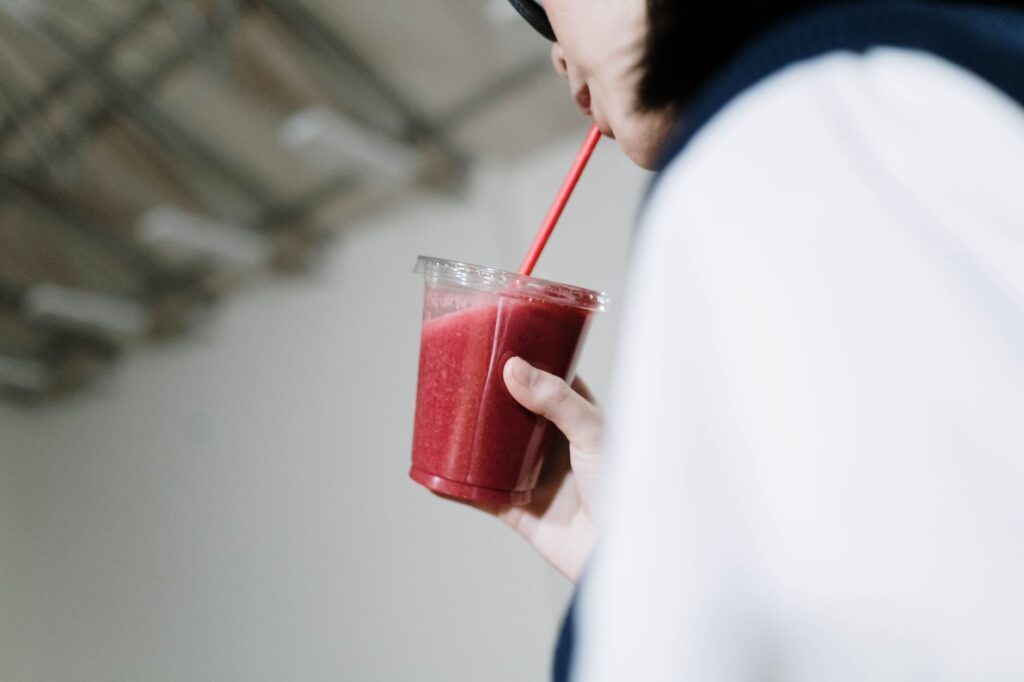
Additionally, consider a protein shake or smoothie as a quick recovery option. Adding fruits, like bananas or berries, can provide antioxidants that reduce inflammation and enhance recovery. For a deeper dive into nutrition for golfers, check out top 10 Dungeness golf tips for better play.
Stretching Golf: Techniques for Better Recovery
Stretching plays a crucial role in golf recovery tips. Proper stretching not only enhances flexibility but also aids in muscle recovery, reducing the risk of injury during play. Understanding the difference between dynamic and static stretching is essential for golfers looking to maximize their performance and improve their recovery.
Dynamic Stretching Before Play
Dynamic stretching involves controlled movements that prepare your muscles for the activity ahead. This type of stretching increases blood flow and enhances range of motion, which is vital for a successful golf swing. Here are a few effective dynamic stretches to incorporate into your pre-game routine:
- Arm Circles: Stand tall and extend your arms out to the sides. Make small circles, gradually increasing their size. This warms up your shoulders and promotes upper body flexibility.
- Leg Swings: Hold onto a stable surface and swing one leg forward and backward. This activates your hip flexors and hamstrings, which are crucial for a powerful swing.
- Torso Twists: Stand with your feet shoulder-width apart and twist your upper body side to side. This helps to loosen your spine and core muscles.
Static Stretching After Play for Effective Golf Recovery Tips
After your round, static stretching is beneficial for muscle recovery. Unlike dynamic stretching, static stretches involve holding a position to improve flexibility and relax your muscles. Here are some effective static stretches to include in your post-game routine:
- Hamstring Stretch: Sit on the ground with one leg extended and the other bent. Reach towards your toes on the extended leg, holding the stretch for 20-30 seconds to relieve tension in your hamstrings.
- Quadriceps Stretch: Stand on one leg, pulling your other heel towards your glutes. This stretch targets your quads and improves overall leg flexibility.
- Shoulder Stretch: Bring one arm across your body and hold it with the opposite arm. This helps alleviate shoulder tightness that can result from swinging.
Incorporating these stretching techniques will significantly enhance your muscle recovery and flexibility, ultimately improving your game. For more insights on effective recovery strategies, consider exploring additional golf recovery tips.
Rest and Recovery: How Much Do You Need?
When it comes to improving your golf game, rest is just as crucial as practice. Understanding how much rest you need can significantly enhance your performance on the course. Ignoring the importance of recovery can lead to fatigue, decreased performance, and even injury. So, how do you determine the right balance?
Understanding Rest Days
Rest days are essential for muscle recovery, allowing your body to repair and strengthen after physical exertion. For golfers, this might mean taking a break from both the driving range and the course. The general guideline is to incorporate at least one or two rest days into your weekly routine, depending on how intense your training is. Consider the frequency of your practice and how your body feels. If you’ve been practicing daily, it might be wise to take an extra day off to allow your muscles to recover.
Incorporating stretching golf routines on your rest days can also aid in recovery without overexerting yourself. Gentle stretching can improve flexibility and prevent stiffness, making it easier to return to practice ready to perform at your best. weather effects on Dungeness golf
Listening to Your Body: Essential Golf Recovery Tips
One of the most effective golf recovery tips is learning to listen to your body. Are you feeling unusually fatigued or experiencing persistent soreness? These are signs you may be overtraining and need to take a break. If you notice any of these symptoms, it’s a good indication to rest. Additionally, ensuring you’re getting enough sleep each night can significantly influence your recovery process.
Keeping a training log can help you track your performance and recovery. This way, you can pinpoint when you tend to feel fatigued and adjust your practice schedule accordingly. Remember, pushing through pain might seem admirable, but taking the necessary time to recover will ultimately lead to better performance on the course.
Additional Tips for Effective Golf Recovery
Using Foam Rollers and Massage: Essential Golf Recovery Tips
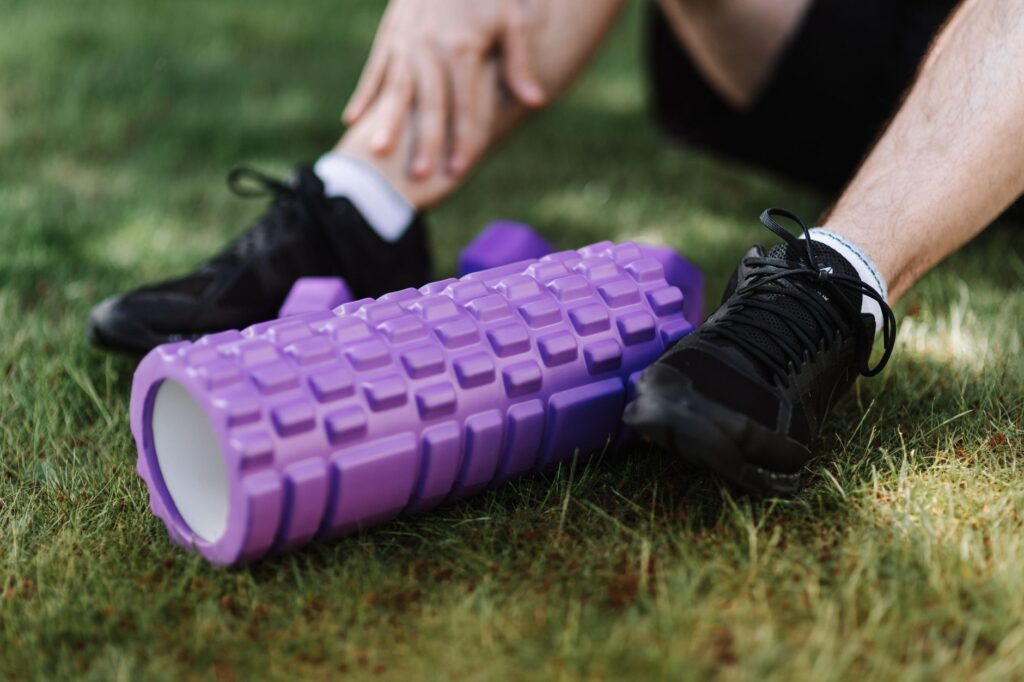
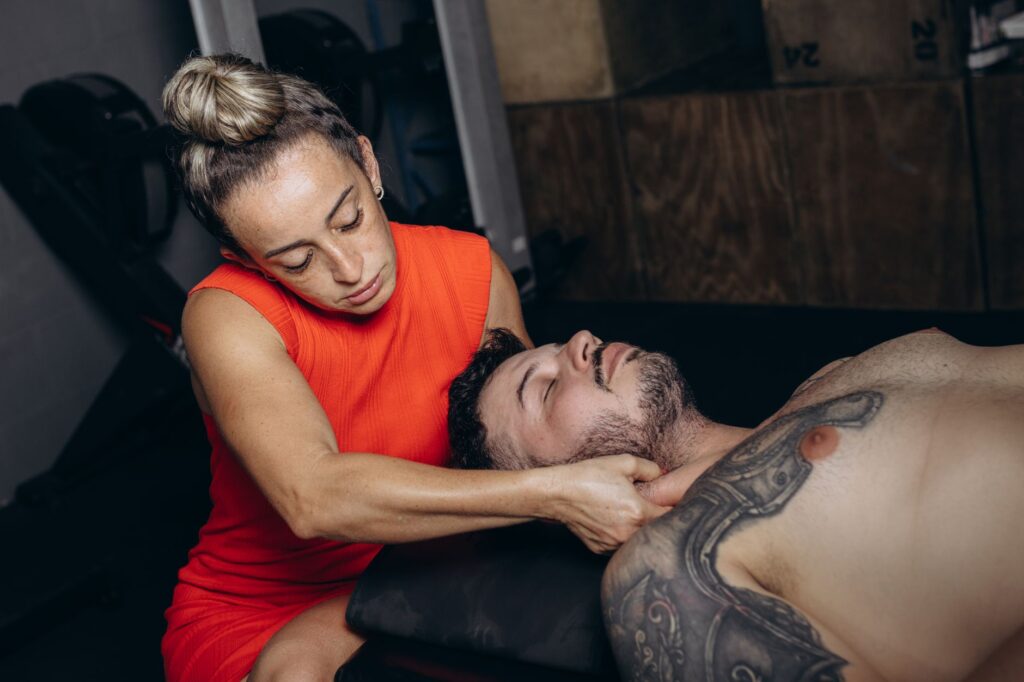
Foam rolling and massage therapy are excellent ways to enhance muscle recovery post-golf. Foam rollers help release muscle tightness and improve blood flow, which is crucial for recovery. When you roll out sore areas, you’re essentially breaking down knots in the muscle tissue, allowing for better mobility and performance on the course. Aim to spend a few minutes rolling out major muscle groups, especially the legs, back, and shoulders. For additional benefits, consider professional massage therapy, which can target specific areas of tension and promote relaxation.
Research suggests that regular massage can reduce muscle soreness after strenuous activities, making it a valuable addition to your golf recovery routine. For more information on the benefits of massage therapy, you can check out this study.
Incorporating Yoga into Your Routine for Better Golf Recovery
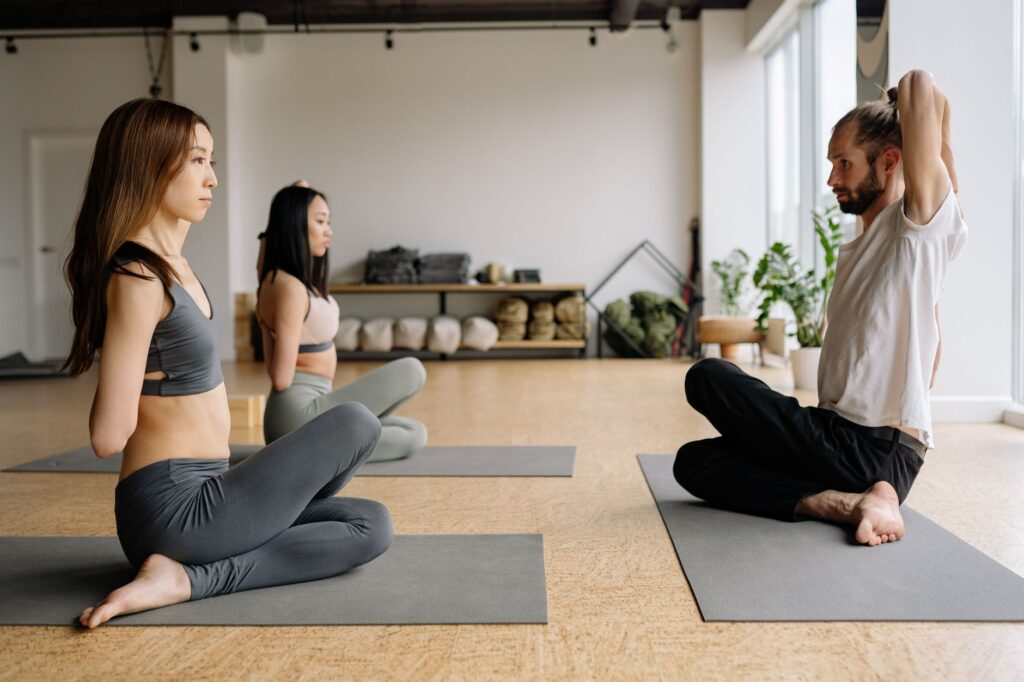
Yoga is another powerful tool in your golf recovery arsenal. Practicing yoga can improve flexibility, balance, and strength, all of which are essential for a successful golf game. The stretching involved in yoga also aids in muscle recovery, reducing the risk of injury and enhancing overall performance. Consider integrating specific yoga poses that target common tight areas for golfers, such as the hips, hamstrings, and shoulders.
Research from the American Osteopathic Association shows that yoga can increase flexibility and reduce stress levels, which is beneficial for golfers both on and off the course. Regular yoga sessions can lead to a more focused and relaxed mindset, ultimately improving your game.
By incorporating these additional methods into your routine, you can significantly enhance your muscle recovery and overall performance. Remember, taking the time to recover is just as important as the time spent practicing your swing.
Conclusion: Embrace These Golf Recovery Tips
Improving your golf game goes beyond just practice on the course; it also requires a solid recovery strategy. By implementing effective golf recovery tips, you can enhance your performance and enjoy your time on the green even more. Throughout this article, we’ve explored various techniques that promote muscle recovery and overall wellness.
Key strategies include proper hydration, which prevents fatigue and aids in recovery, and balanced nutrition to fuel your body for both play and recovery. We also highlighted the importance of stretching golf exercises, which can improve flexibility and reduce the risk of injury. Regular stretching not only prepares your muscles for the game but also helps in the recovery process afterward, making it a vital part of your routine.
- Prioritize hydration before, during, and after your rounds.
- Incorporate a balanced diet rich in proteins and healthy fats.
- Integrate stretching into your warm-up and cool-down routines.
- Consider foam rolling for muscle recovery to alleviate tension.
These golf recovery tips are simple yet effective ways to enhance your performance. By making these practices a regular part of your golfing routine, you can expect to see improvements in your game and overall enjoyment on the course. So, why wait? Start implementing these strategies today!

Implementing these golf recovery tips into your routine can significantly enhance your performance on the course. Prioritizing muscle recovery through proper nutrition and hydration will help you maintain peak physical condition, allowing you to focus on your swing instead of soreness. Additionally, incorporating stretching golf techniques will improve your flexibility, leading to a more fluid and powerful game.
So, why not start today? Set aside time after each round to engage in stretching exercises tailored for golfers. Not only will this help with muscle recovery, but it will also prepare your body for the next round. Remember, a well-recovered golfer is a successful golfer, so make these tips a regular part of your game plan!
“`html
What are the best golf recovery tips?
Some of the best golf recovery tips include proper hydration, stretching, and incorporating rest days into your routine. Focus on nutrition, consuming protein and carbohydrates post-play to replenish energy. Active recovery methods, such as light walking or gentle yoga, can also aid in muscle recovery. Lastly, consider cold therapy or foam rolling to alleviate soreness and improve blood circulation.
How can I speed up muscle recovery after golf?
To speed up muscle recovery after golf, prioritize hydration and nutrition. Consuming protein-rich foods helps repair muscle fibers, while carbohydrates replenish energy stores. Gentle stretching can improve flexibility and reduce stiffness. Additionally, consider using ice packs or taking cold showers to diminish inflammation, and ensure you get adequate sleep for optimal recovery.
What stretches should I do after playing golf?
After playing golf, perform stretches that target major muscle groups used during the game, such as your shoulders, back, hips, and legs. Key stretches include the standing quadriceps stretch, seated hamstring stretch, and shoulder cross-body stretch. Incorporate dynamic movements like torso twists to enhance flexibility and prevent injury. This stretching routine will improve your overall flexibility and aid in recovery.
How important is hydration for muscle recovery in golf?
Hydration is crucial for muscle recovery in golf as it helps maintain optimal muscle function and performance. Dehydration can lead to cramping, fatigue, and decreased recovery rates. Drink water before, during, and after your game, and consider electrolyte-rich sports drinks if you’re playing for extended periods. Keeping hydrated supports nutrient delivery to muscles, which is essential for effective recovery.
When should I take a rest day after playing golf?
Rest days are vital for recovery, especially if you experience muscle soreness or fatigue. If you’ve played multiple rounds in a week or engaged in strenuous practice, it’s wise to take a rest day to allow your muscles to repair and regenerate. Listening to your body is key; if you feel overly fatigued or any pain, consider resting to prevent injury and enhance performance.
Can yoga help with recovery for golfers?
Yes, yoga can significantly aid in recovery for golfers. It enhances flexibility, strength, and balance, which are essential for a good golf swing. Post-golf yoga sessions can help alleviate muscle tension, improve circulation, and promote relaxation. Incorporating yoga into your routine can also improve your mental focus and reduce stress, further enhancing your overall game performance.
“`