
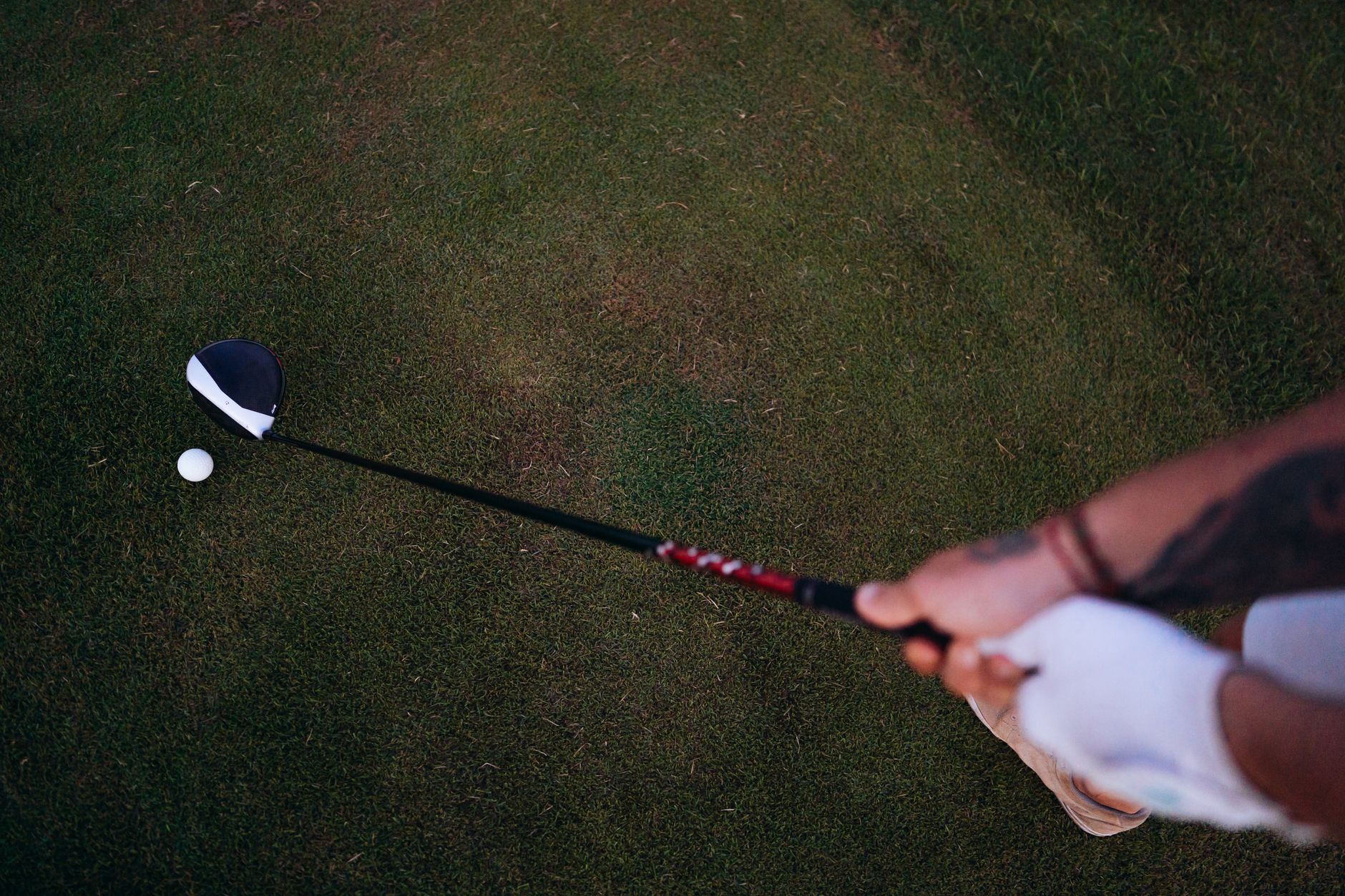
The right golf launch angle can make all the difference when it comes to maximizing your driving distance. Understanding this key aspect of golf swing mechanics is essential for players looking to improve their game. In this article, we’ll explore the concept of golf launch angle and its importance in achieving optimal ball flight. We’ll discuss the perfect launch angle for different clubs, diving into the fascinating world of ball flight physics to reveal how angles impact distance and trajectory. Additionally, we’ll help you discover your ideal launch angle, while highlighting common mistakes that can hinder your performance. Whether you’re a seasoned golfer or just starting out, mastering your golf launch angle is crucial for success on the course. So, let’s get started and unlock the secrets to hitting those long, soaring drives that can take your game to the next level!
Understanding Golf Launch Angle and Its Importance
What is Golf Launch Angle?
Golf launch angle refers to the angle at which the golf ball leaves the clubface after impact. This angle is a crucial component in how the ball travels through the air and significantly affects your overall performance. A well-optimized golf launch angle can help you achieve greater distance and control, making it essential for players at all skill levels. Understanding this concept is vital for any golfer looking to enhance their game.
How Does Launch Angle Affect Distance?
The relationship between golf launch angle and driving distance is rooted in ball flight physics. A higher launch angle, combined with optimal spin rates, can maximize the distance a ball travels. Generally, a launch angle between 12 to 15 degrees is ideal for drivers, while different clubs require varying angles. For example, mid-irons may benefit from a lower launch angle to maintain control and accuracy.
When you strike the ball with the correct launch angle, it allows for a more efficient trajectory. This means less drag and better lift, which translates to longer distances. Conversely, an improper launch angle can lead to lower ball flight and reduced distance, making it crucial for players to focus on their settings and swing mechanics to achieve the best possible angle.
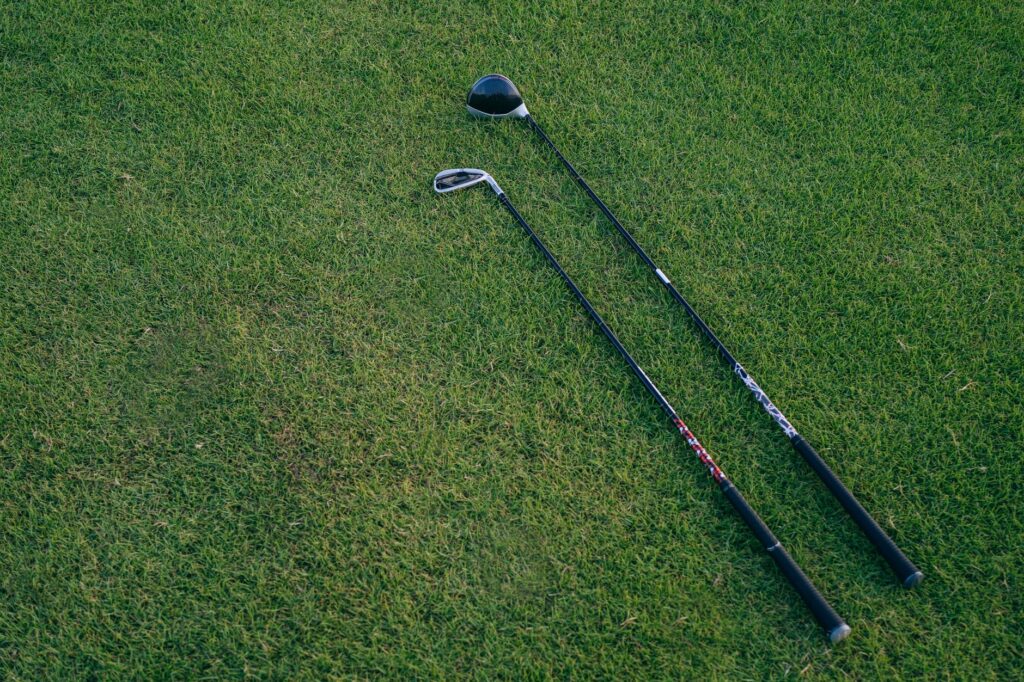
Incorporating the right launch angle into your game can significantly enhance your performance on the course. By focusing on not just the angle itself but also how it integrates with your overall swing dynamics, you can make informed adjustments that lead to improved driving distance and accuracy. For more tips on optimizing your swing, check out Dungeness golf courses.
The Perfect Launch Angle for Different Clubs
Optimal Launch Angles for Drivers
When it comes to achieving maximum distance with your driver, understanding the ideal golf launch angle is crucial. For most golfers, the optimal launch angle for a driver typically falls between 10 and 15 degrees. This range allows for the perfect balance of lift and forward momentum, maximizing both carry and overall distance. A launch angle that is too low can result in a lack of lift, while an angle that is too high may lead to a steep descent, reducing carry.
The physics behind this is rooted in ball flight physics. A well-struck drive with the right launch angle will create an optimal trajectory that reduces drag and increases lift, allowing the ball to stay airborne longer and travel further. To achieve this, consider adjusting your tee height and stance to promote a more upward strike on the ball.
Adjusting Launch Angles for Irons and Woods
While drivers require a higher launch angle, the same cannot be said for irons and fairway woods. For these clubs, the optimal launch angle usually ranges from 14 to 18 degrees for mid-irons and can be slightly lower for short irons. Fairway woods perform best with a launch angle between 12 and 15 degrees. This adjustment is essential for maximizing driving distance and achieving the desired trajectory.
To fine-tune your launch angle with irons and woods, focus on your ball position and swing mechanics. A more descending blow will result in a lower launch angle, while a shallower angle of attack can help increase it. Practice these adjustments while keeping an eye on your launch monitor data to see the effect of your changes.

Ultimately, understanding and mastering the right golf launch angle for each club can significantly enhance your game, leading to improved accuracy and greater distance on the course. Experiment with different angles and adjustments to find what works best for you.
Ball Flight Physics and Golf Launch Angles
Understanding the physics behind ball flight is crucial for optimizing your golf launch angle. The launch angle, which is the initial angle at which the ball leaves the clubface, plays a significant role in determining how far your shot will travel. This angle, when combined with the right amount of ball spin, affects the overall trajectory and distance of your shot. A higher launch angle can lead to greater carry distance, especially when paired with a lower spin rate, allowing the ball to stay in the air longer and cover more ground.
The Role of Ball Spin
Ball spin significantly influences the effectiveness of your launch angle. Backspin helps lift the ball off the ground, while sidespin can cause it to curve in flight. An optimal golf launch angle typically falls between 12 to 15 degrees for drivers, as this range maximizes driving distance while maintaining an ideal trajectory. A combination of a higher launch angle and backspin can result in a more extended flight path, enhancing your overall distance.
Impact of Environmental Conditions on Golf Launch Angle
Environmental factors such as wind, humidity, and altitude also play a vital role in determining the best launch angle for maximum distance. For instance, playing at higher altitudes, where air density is lower, can allow for a higher launch angle without as much drag, thus improving distance. Conversely, hitting into a strong headwind may require a lower launch angle to keep the ball from ballooning and losing distance. Adjusting your launch angle based on these conditions can make a significant difference in your overall performance on the course.

How to Find Your Ideal Launch Angle
Using Technology and Trackers to Measure Your Golf Launch Angle
Understanding your golf launch angle is crucial for achieving maximum distance. One of the most effective ways to measure this is by using launch monitors or specialized apps. Devices like the TrackMan or FlightScope provide precise data on your launch angle, ball speed, and spin rates. If you don’t have access to a launch monitor, some smartphone apps can also give a decent estimate by analyzing your swing. These tools can help you identify your current launch angle and how it correlates with your driving distance.
Practical Tips for Adjusting Your Swing to Optimize Golf Launch Angle
Once you’ve measured your launch angle, it’s time to make adjustments. Here are some actionable tips to help you optimize your swing:
- Ball Position: Experiment with positioning the ball slightly forward in your stance. This can help achieve a higher launch angle.
- Tee Height: For drives, try teeing the ball higher. A higher tee height can lead to a better launch angle and increased distance.
- Weight Shift: Focus on shifting your weight to your back foot during your backswing, which can help create a more upward strike on the ball.
- Follow Through: Ensure you have a full follow-through; this can enhance your swing path and improve your launch angle.
By understanding the ball flight physics behind your shots and implementing these techniques, you can achieve your ideal launch angle and maximize your driving distance. Don’t hesitate to consult with a coach for personalized guidance based on your swing characteristics.
Common Mistakes to Avoid with Launch Angles
Overthinking Golf Launch Angle Adjustments
When it comes to optimizing your golf launch angle, many players fall into the trap of overcomplicating their adjustments. They might obsess over minor tweaks to their setup, believing that small changes will yield significant improvements. However, focusing too much on launch angles can lead to inconsistency and frustration. Instead of overthinking your stance or grip, remember that a solid swing foundation is crucial. Prioritize mastering your swing mechanics, as they directly influence your launch angle and, ultimately, your distance.
Ignoring Other Factors Affecting Distance
While the golf launch angle is essential for maximizing driving distance, it’s not the only factor at play. Many golfers overlook variables such as swing speed and ball contact quality. For instance, a player with a slower swing speed might achieve better results with a lower launch angle, while a faster swing may benefit from a higher angle. Additionally, solid ball contact is vital; even the best launch angle won’t help if you’re hitting the ball poorly. Focus on improving your overall game, including ball striking and swing speed, to enhance your distance effectively.
- Avoid obsessing over small adjustments to your launch angle.
- Prioritize swing mechanics over launch angle tweaks.
- Consider swing speed and ball contact alongside your launch angle.
Understanding ball flight physics can also help you avoid common mistakes. By recognizing how different factors interact, you can make smarter decisions about your game. Remember, the goal is to find a balance that promotes not only an optimal launch angle but also consistent performance on the course.
Conclusion: Mastering Your Golf Launch Angle for Success
Understanding and mastering your golf launch angle is crucial for maximizing your driving distance and overall performance on the course. The right launch angle can significantly influence your ball flight, dictating how far and how high your ball travels. As you experiment with your swing, consider factors like your stance, grip, and the type of club you’re using, all of which can affect your launch angle and ultimately your success.
Ball flight physics tells us that the optimal launch angle for maximum distance typically falls between 12 to 15 degrees for drivers, but this can vary based on individual swing characteristics and conditions. Therefore, it’s essential to find an angle that complements your unique swing style while enabling you to achieve the desired distance.
To improve your launch angle, spend time at the driving range experimenting with different techniques. You might want to adjust your tee height, modify your swing path, or even try different clubs to see how each affects your launch angle. Document your findings and pay attention to how each adjustment impacts your performance.
Ultimately, the key to success lies in practice and experimentation. By honing your skills and finding that perfect launch angle, you can unlock new levels of performance and enjoyment in your game. So, get out there, swing away, and discover how mastering your golf launch angle can lead to greater driving distances and success on the course!

Understanding the optimal golf launch angle is crucial for maximizing your driving distance. By grasping the principles of ball flight physics, you can adjust your swing to achieve that perfect launch angle, allowing your drives to soar further than ever before. Whether you’re a seasoned pro or just starting out, fine-tuning this aspect of your game can lead to significant improvements on the course.
So, why not take some time to analyze your current launch angle? Consider utilizing launch monitors or consulting with a professional to get precise measurements. With the right adjustments, you can unlock the potential for longer drives and a more enjoyable game. Start experimenting with your swing today, and watch how it transforms your performance!
“`html
What is the best golf launch angle for distance?
The best golf launch angle for maximizing distance typically ranges between 12 and 15 degrees. This angle allows for a good balance between lift and distance, optimizing the ball’s trajectory. Factors like clubhead speed and ball type can influence this ideal angle, so it’s essential to find a launch angle that works for your swing mechanics and equipment. Testing different angles during practice can help you determine what yields the best results for your game.
How does launch angle affect driving distance?
Launch angle plays a critical role in driving distance as it affects the ball’s trajectory and how it interacts with the wind. A proper launch angle helps create optimal lift and reduces drag, allowing the ball to travel farther. If the launch angle is too low, the ball may not generate enough lift, resulting in a flatter trajectory and reduced distance. Conversely, a launch angle that is too high may cause the ball to lose speed and altitude. Finding the right balance is key to maximizing your driving distance.
What launch angle should I aim for with my driver?
When using a driver, aiming for a launch angle between 12 and 15 degrees is generally advisable for achieving maximum distance. However, this can vary based on individual swing characteristics and conditions. Players with higher swing speeds might benefit from slightly lower launch angles, while those with slower speeds may find success with higher angles. It’s essential to experiment with your driver settings and monitor your results to find the most effective launch angle for your game.
Can I adjust my swing to change my launch angle?
Yes, you can adjust your swing to change your golf launch angle. Modifying your stance, grip, or swing path can help you achieve a desired launch angle. For example, a more upward angle of attack during your swing can increase the launch angle, while a downward angle can decrease it. Working with a golf coach can provide personalized insights and drills to help you make these adjustments effectively, ensuring improvements in both your launch angle and overall performance.
How does ball flight physics relate to launch angle?
Ball flight physics is directly influenced by the golf launch angle, as it determines how the ball travels through the air. Factors such as lift, drag, and the angle of attack all interact with the launch angle to affect the ball’s trajectory. A proper launch angle can optimize these elements, allowing the ball to achieve a higher apex and longer distance. Understanding these principles can help golfers make informed adjustments to improve their overall performance on the course.
What are the consequences of having too high or too low of a launch angle?
Having too high of a launch angle can lead to a loss of distance, as the ball may stall in the air and not travel far. It can also make the ball more susceptible to wind, further reducing distance. Conversely, a launch angle that is too low can result in a flatter trajectory, leading to less lift and shorter carry. Both extremes can negatively impact your overall performance, making it crucial to find an optimal launch angle for your swing and equipment.
“`