
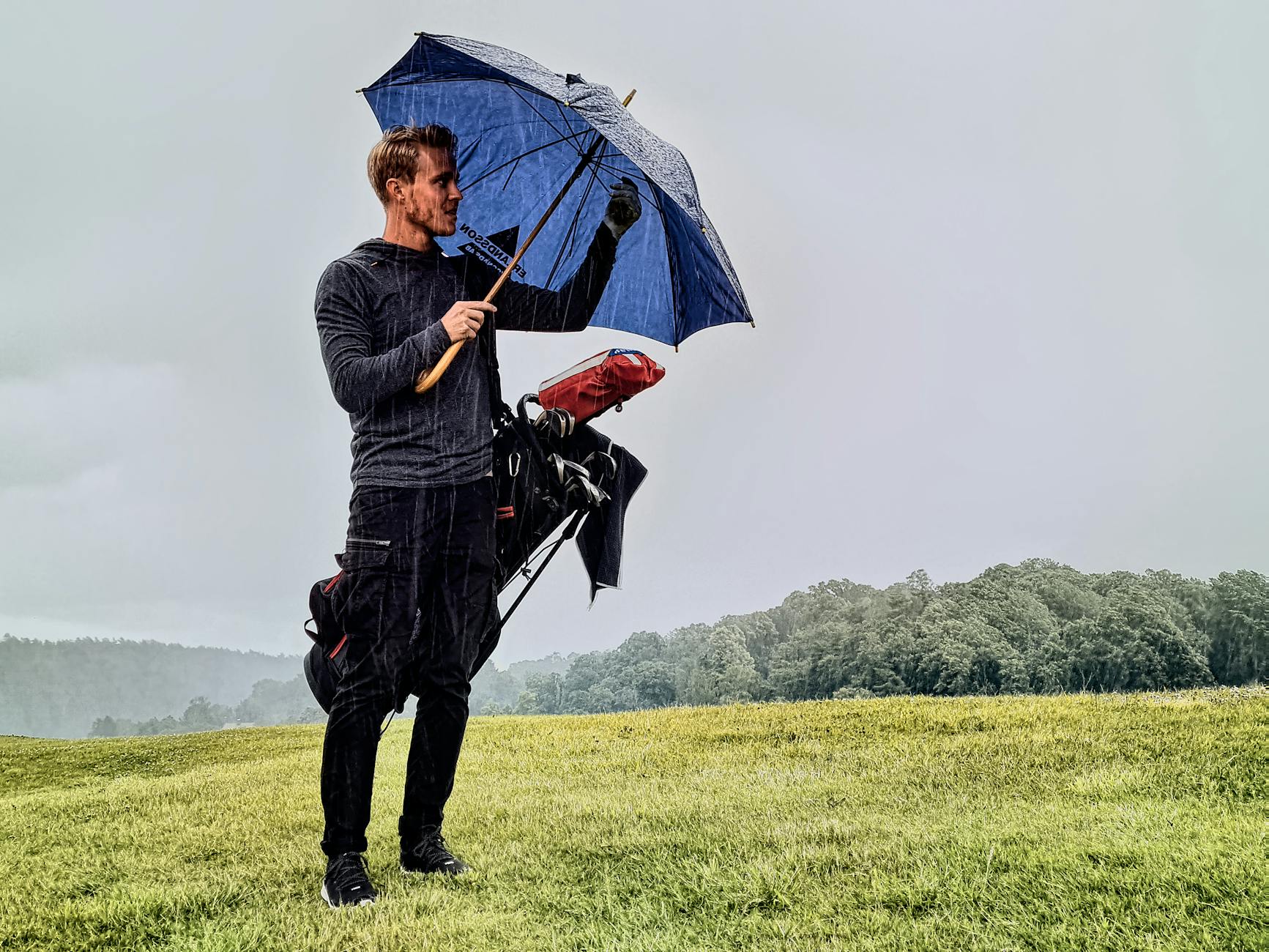
The best time to play golf weather can significantly enhance your experience on the course, affecting everything from your swing to your overall enjoyment. Understanding how different weather conditions influence your game is essential for both novice and seasoned golfers. In this article, we will explore the ideal times of day for various weather conditions, offering practical golf timing tips that can help you make the most of your outings. You’ll discover effective golf strategies for tackling adverse weather, ensuring that you stay prepared no matter what Mother Nature throws your way. Whether it’s a sunny morning or an overcast afternoon, having a plan for the best time to play golf weather is crucial. By the end of this article, you’ll be equipped with the knowledge to find your ideal golf timing, maximizing your performance and enjoyment on the greens. For more insights into how weather and golf interact, keep reading!
Understanding the Best Time to Play Golf Weather
Golf is a game deeply influenced by the elements, making understanding the best time to play golf weather essential for any golfer looking to enhance their performance. Weather conditions can dramatically affect how you play, from the ball’s distance to your overall comfort on the course. In this section, we will explore how various weather factors impact your game and provide actionable golf timing tips for choosing the ideal time to tee off.
How Weather Influences Golf Performance
Several weather factors play a critical role in golf. Temperature, wind, and humidity each have specific effects on your game:
- Temperature: Ideal golfing temperatures range from 60°F to 75°F. When it’s too hot, dehydration can affect your focus, while cold conditions can lead to muscle stiffness, impacting your swing.
- Wind: Wind can alter the path of the ball, making it challenging to judge distances. Playing on calm days or during the morning when winds are typically lighter can improve your accuracy.
- Humidity: High humidity can affect your grip and stamina. Playing in moderate humidity levels can help maintain better control over your shots and keep you feeling fresh.
Understanding these factors allows golfers to adapt their strategies accordingly. For instance, playing in the morning or late afternoon often provides the most favorable conditions, as temperatures are usually cooler and winds are lighter. This is where the concept of the best time to play golf weather comes into play, helping you optimize your game for better results.
Key Weather Conditions to Consider
When planning your next round, keep these weather and golf considerations in mind:
- Check the forecast for temperature trends to avoid extremes.
- Monitor wind speeds, aiming for days when they are 10 mph or less.
- Assess humidity levels, choosing days that feel comfortable to you.
By incorporating these golf strategies into your routine, you can significantly improve your performance and enjoyment on the course. Always remember, the best time to play golf weather-wise not only enhances your game but also elevates your overall experience.

Best Times of Day for Different Weather Conditions
Cooler Temperatures: Morning vs Afternoon
When temperatures dip, the best time to play golf weather-wise is often in the morning. Typically, morning tee times offer cooler temperatures that can enhance your performance and comfort on the course. As the day progresses, temperatures tend to rise, which can lead to discomfort, especially during summer months. According to the National Weather Service, mornings are usually when humidity is lower, making for a more enjoyable round.
Additionally, playing in the morning allows you to take advantage of the calmer conditions. Winds are generally lighter earlier in the day, which is a significant advantage for precision shots. This leads to improved gameplay and can help you execute your golf strategies more effectively.
Windy Days: Timing Your Round for the Best Experience
When the forecast calls for windy conditions, choosing the right time to play golf becomes crucial. The best time to play golf weather-wise on a windy day is often mid-morning to early afternoon. During this window, winds may have stabilized somewhat, allowing for a better golfing experience compared to the blustery conditions often present in the early morning or late afternoon.
To tackle windy days effectively, consider these golf timing tips:
- Choose clubs that offer better control in windy conditions, such as lower-lofted clubs for tee shots.
- Plan your route to minimize exposure to the wind. Aim for shots that navigate with the wind rather than against it.
- Adjust your stance and swing to counteract the wind’s effects, ensuring you maintain balance and accuracy.
By being mindful of the weather and implementing these strategies, you can enhance your game significantly. So, the next time you check the forecast, remember that understanding the best time to play golf based on weather conditions can make all the difference in your performance. Choosing the Right Golf Ball for Weather Conditions

Golf Strategies for Adverse Weather Conditions
The Best Time to Play Golf Weather: Rainy Days
Playing golf on a rainy day can be a challenge, but with the right golf strategies, it can also be enjoyable. The best time to play golf weather-wise during rain is often in light showers, as the course may be less crowded and greens can be receptive. Here are some tips for navigating a wet course:
- Wear Appropriate Gear: Invest in a good waterproof jacket and pants, along with waterproof golf shoes. Staying dry is essential for comfort and focus on your game.
- Use the Right Equipment: Consider using rain gloves for a better grip, and opt for a higher lofted club to prevent the ball from skidding on wet greens.
- Adjust Your Expectation: Accept that the ball may not travel as far due to wet conditions. Focus on your short game, where precision is key.
- Stay Alert: Be cautious of slippery surfaces and take your time to ensure safety on the course.
By implementing these golf timing tips, you can make the most of your rainy day round, ensuring your game remains strong even when the weather is not ideal.
Heat Waves: Staying Cool on the Course
When it comes to playing golf in extreme heat, timing is crucial. The best time to play golf weather-wise during heat waves is early morning or late afternoon. Here’s how to stay cool and perform your best:
- Hydrate: Drink plenty of water before, during, and after your round. Consider electrolyte drinks to replenish lost minerals.
- Wear Lightweight Clothing: Choose breathable, light-colored fabrics to help reflect sunlight and keep your body temperature down.
- Take Frequent Breaks: Utilize shaded areas to rest and cool off. This helps maintain your energy levels and focus throughout the round.
- Use Cooling Accessories: Consider wearing a cooling towel around your neck or using a portable fan to help manage your temperature.
Adapting your strategy to the weather and golf conditions will not only enhance your enjoyment but also improve your performance on the course.

Preparing for the Best Time to Play Golf Weather
Weather conditions can make or break your golf game, so preparing for the best time to play golf weather is essential for an enjoyable round. Utilizing technology to check forecasts and understanding your local climate can significantly enhance your golfing experience.
Using Weather Apps for Tee Time Decisions
Modern technology provides golfers with powerful tools to make informed decisions about when to hit the links. Reliable weather apps and websites can give you real-time updates and forecasts, helping you pinpoint the best time to play golf weather-wise. Apps like The Weather Channel, AccuWeather, and Weather Underground offer detailed forecasts, radar images, and alerts for changing conditions.
When planning your tee time, pay attention to both short-term forecasts and longer-term trends. For instance, if you notice a pattern of sunny mornings followed by afternoon thunderstorms, scheduling your round early could be a strategic move. These golf timing tips can help you avoid undesirable weather, allowing for a more pleasant experience on the course.
Local Climate Considerations for Golfing
Your local climate plays a crucial role in determining the best time to play golf weather-wise. Certain regions experience consistent weather patterns that can influence your schedule. For example, areas with tropical climates might be prone to afternoon showers, while desert locales may bring dry and hot conditions throughout the day. Understanding these trends can guide your decisions and improve your overall golf strategies.
Additionally, consider seasonal variations. Golfing in the fall might provide cooler temperatures and stunning foliage, while spring can bring unpredictable rain. By observing your local climate, you can better align your golfing adventures with optimal weather conditions.
Incorporating these strategies will not only enhance your golfing experience but also allow you to make the most of your time on the course. For further insights, check out The Science of Golf Swing Weather Effects.

Conclusion: Finding Your Ideal Golf Timing
Understanding the best time to play golf weather significantly enhances your golfing experience. From temperature to wind conditions, these factors can make or break your round. As discussed, mornings and late afternoons often provide the most favorable conditions, with less heat and often calmer winds. Utilizing these golf timing tips can lead to a more enjoyable game and better performance on the course.
Weather and golf go hand in hand. As you plan your rounds, consider the forecast and be ready to adapt your strategies. For instance, if rain is predicted, plan for appropriate gear and adjust your course management to account for wet conditions. Similarly, if the temperature is soaring, consider playing earlier or later in the day to avoid the heat, and stay hydrated to maintain your performance.
Another point to remember is that conditions can change rapidly. Therefore, staying updated with local weather forecasts is crucial in maximizing your golf experience. Resources like the National Weather Service provide reliable updates that can assist you in planning your day effectively.
By keeping an eye on the best time to play golf weather, you can enjoy more pleasant rounds and improve your game. Embrace these insights and make informed decisions that align with your golf strategies, ensuring that you get the most out of every outing on the course.

Understanding the best time to play golf based on weather conditions can significantly enhance your experience on the course. By considering factors like temperature, humidity, and wind, you can make more informed decisions about when to tee off. Utilizing effective golf timing tips can help you take advantage of optimal weather and improve your overall game strategy. Remember, favorable weather can lead to a more enjoyable round and better performance.
As you plan your next golfing outing, keep these insights in mind. Monitor the weather forecast and adjust your schedule accordingly to maximize your time on the course. Combining good weather and effective golf strategies can lead to a fulfilling experience, whether you are a seasoned player or just starting. So, grab your clubs, check the weather, and get ready for a great day on the green.
“`html
What is the best time of day to play golf based on weather?
The best time to play golf based on weather typically falls in the late morning to early afternoon. During this period, temperatures are usually warm but not excessively hot, and wind conditions tend to be calmer. This is especially true in spring and fall when the sun is high enough to provide warmth without being too harsh. Additionally, playing at this time allows you to avoid the cooler morning temperatures and potential dew on the grass.
How does temperature affect golf performance?
Temperature plays a significant role in golf performance. Warmer temperatures can enhance ball flight and distance, as the air is less dense. However, excessively hot weather can lead to fatigue and dehydration, negatively impacting your game. Conversely, cooler temperatures can make it challenging to maintain muscle flexibility and can result in decreased distance. Thus, finding a comfortable temperature range is crucial for optimal performance on the course.
Is it better to play golf in the morning or afternoon?
Choosing between morning and afternoon golf largely depends on personal preference and the climate of the region. Morning rounds often offer cooler temperatures along with fresher air and less wind, which can be ideal for many players. However, afternoon games may benefit from warmer conditions and more consistent temperatures. It is essential to consider local weather patterns and your own comfort when deciding the best time to play golf based on weather.
What weather conditions should I avoid when playing golf?
When planning a round of golf, it’s best to avoid extreme weather conditions such as heavy rain, thunderstorms, and high winds. Rain can make the course muddy and slippery, while lightning poses serious safety risks. High winds can significantly affect ball control and distance. Additionally, playing in extreme heat can lead to dehydration and fatigue, so monitoring the weather forecast is essential for a safe and enjoyable game.
How do I prepare for different weather conditions while golfing?
Preparing for varying weather conditions while golfing involves several strategies. Dress in layers to adapt to changing temperatures, and choose moisture-wicking fabrics for hot days. Always carry an umbrella and waterproof gear for unexpected rain. Additionally, hydration is crucial, especially in hot weather. Familiarize yourself with the course conditions based on the weather forecast and adjust your equipment, such as using different golf balls or tees suited for wet or windy conditions.
What are some golf timing tips for windy days?
On windy days, timing your shots becomes crucial. It’s advisable to wait for lulls in the wind before taking your swing, as this can enhance accuracy. Opt for lower lofted clubs to reduce the wind’s impact on your shot. Additionally, aim for a more controlled swing to maintain stability and precision. Lastly, consider adjusting your overall strategy by playing for a lower score rather than attacking pins, focusing instead on safer, more conservative shots to navigate the conditions effectively.
“`