
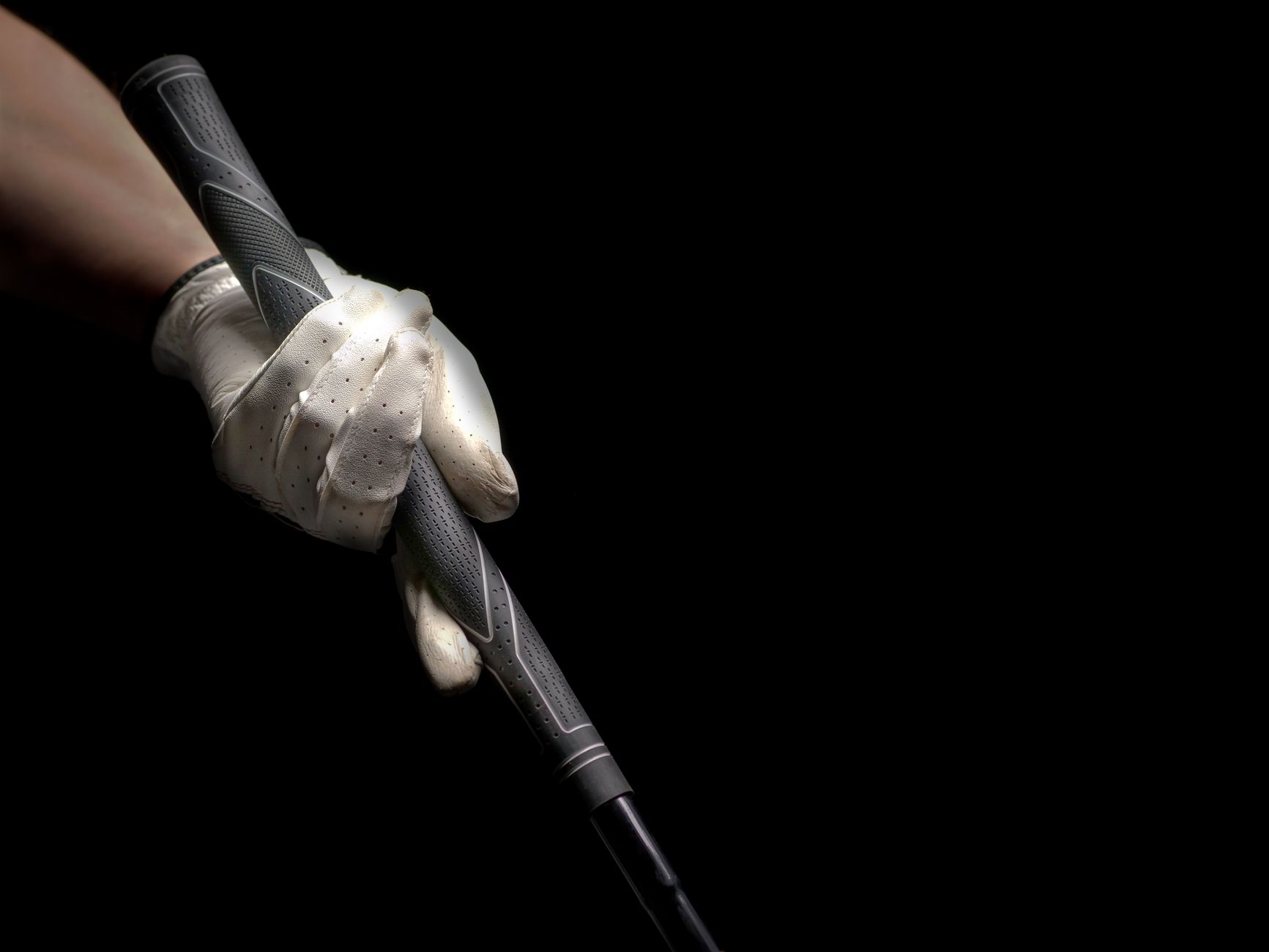
Looking to improve your golf game? These golf grip tips are essential for better shots on the course. The way you grip the club can significantly impact your performance, influencing everything from your hand position to your ability to control your swing. In this article, we’ll delve into the key elements of a proper grip, exploring how to position your hands effectively for maximum power and accuracy. You’ll discover techniques that allow you to control your swing through a solid grip, ensuring your shots are not only more consistent but also straighter. Finally, we’ll put all this knowledge together, offering practical golf grip tips that will help you achieve the consistency you’ve been aiming for. Whether you’re a beginner or a seasoned player, refining your grip can make all the difference. Ready to elevate your game? Let’s get started!
Essential Golf Grip Tips for Better Shots
When it comes to improving your golf game, the grip is often an overlooked aspect. However, it plays a critical role in determining your shot accuracy and consistency. A proper grip ensures that you maintain control throughout your swing, allowing you to hit the ball more effectively. Understanding the nuances of your grip can make a significant difference in your performance on the course. Here are some essential golf grip tips to help you elevate your game.
Understanding the Importance of a Good Grip
Your grip is the only point of contact between you and the club, so its importance cannot be overstated. A solid grip helps you control your swing and impacts how the clubface meets the ball. A correct grip allows for better alignment and can lead to straighter, more powerful shots. According to Golf Digest, golfers who focus on their grip can significantly improve their consistency.
When gripping the club, make sure your hands are positioned correctly. The fingers should wrap around the club, with the thumb pointing straight down the shaft. This hand position is crucial for achieving the right amount of tension. If your grip is too loose, you risk losing control; if it’s too tight, you can hinder your swing’s fluidity. Aim for a relaxed grip that allows for movement but maintains control.

Common Grip Mistakes to Avoid
<pMany golfers, especially beginners, make frequent grip mistakes that can hinder their game. Here are some common errors and how to correct them:
- Incorrect Hand Position: If your hands are misaligned, either too far to the left or right, you’ll struggle to hit straight shots. Ensure that your hands are positioned properly, with the club resting in the fingers rather than the palms.
- Too Much Tension: Grip the club too tightly, and you’ll lose flexibility in your swing. A relaxed grip allows for better wrist action and follow-through.
- Inconsistent Grip Pressure: A good grip should maintain consistent pressure throughout your swing. Practice finding that balance to avoid any sudden changes that could affect your shots.
By focusing on these golf grip tips and being mindful of common mistakes, you can make significant strides in your game. Remember, a proper grip is foundational for enhancing your performance on the golf course. For more insights on improving your swing, consider exploring Beginner Golf Tips Dungeness.
Hand Position: A Key Element in Golf Grip Tips
The way you position your hands on the golf club can significantly influence your shots. A proper hand position not only helps with grip comfort but also plays a crucial role in controlling your swing and improving shot accuracy. Understanding how to adjust your grip based on the type of shot you’re taking is essential for any golfer seeking to enhance their performance.
Finding the Right Hand Position
To achieve the right hand position, start by ensuring that your grip is neither too tight nor too loose. A common misconception is that a tightly gripped club leads to greater control; however, this can actually restrict your swing and reduce your accuracy. Aim for a relaxed grip that still maintains control. Here are some actionable steps to find the right hand position:
- Neutral Grip: For a standard grip, your hands should be placed so that the “V” formed between your thumb and index finger points toward your right shoulder (for right-handed golfers). This position promotes a square clubface at impact.
- Strong Grip: If you want to promote a draw, rotate your hands slightly to the right (for right-handed players). This adjustment helps close the clubface during your swing.
- Weak Grip: Conversely, for a fade, rotate your hands slightly to the left. This grip will help keep the clubface open at impact.
Practice these grips to see how they affect your shots. Each position can lead to different ball flights, so experiment to find what works best for you.
Adjusting Your Grip for Different Shots
Different types of shots also require different hand positions. For example, when putting, your grip should be more delicate. Here are some tips:
- Putting: Keep your hands aligned and maintain a light grip. Your thumbs should point down the shaft, promoting a smooth stroke.
- Drives: For drives, take a firmer grip while ensuring your hands are in the correct position to maximize power without sacrificing control.
- Chipping: Use a slightly stronger grip than putting, keeping your hands ahead of the ball to help with contact.
By adjusting your hand position for each type of shot, you can significantly enhance your control and accuracy. For more detailed insights on grip styles, check out Improve Your Golf Game at Dungeness Golf Course.
Practicing these golf grip tips will not only improve your hand position but also your overall game. Remember, the right grip is the foundation of your swing, so take the time to refine it.
Techniques to Control Your Swing with the Right Grip
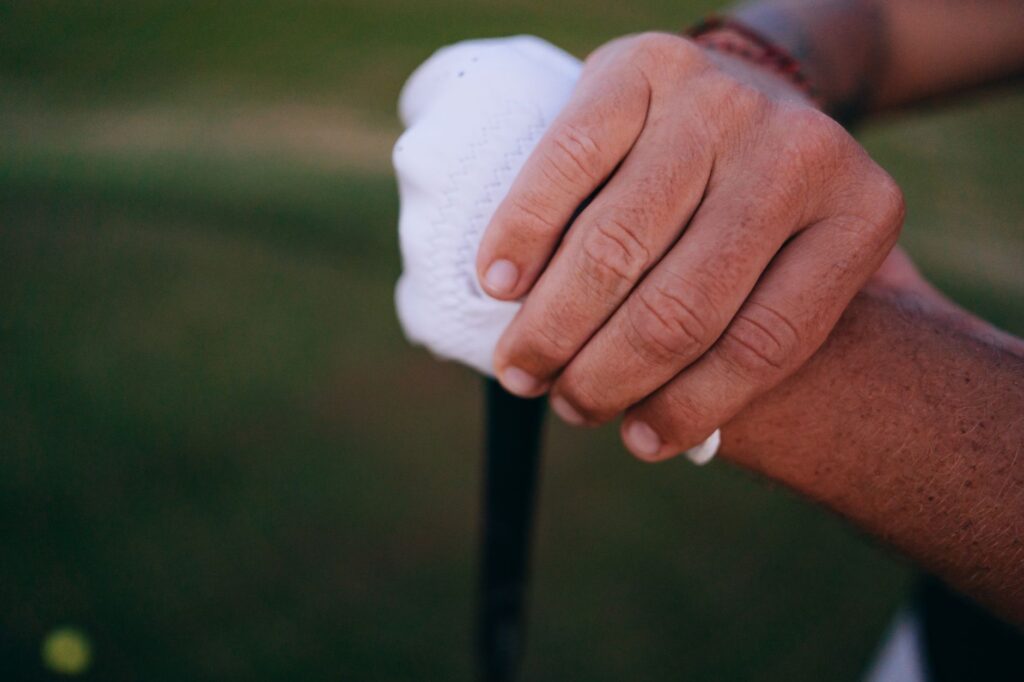
Mastering your golf grip is essential for achieving a reliable swing. A proper grip not only influences the trajectory of your shots but also affects your overall control. Here, we will explore effective golf grip tips that focus on grip pressure and exercises to strengthen your grip, helping you gain better control of your swing.
Grip Pressure and Swing Control
The pressure you apply on the golf club can significantly impact your swing control. Too tight a grip can lead to tension in your arms and shoulders, causing a restricted swing. Conversely, a grip that is too loose can result in a lack of control, leading to inconsistent shots. Finding the right balance is key.
For most situations, aim for a grip pressure that is firm but relaxed, think of holding a tube of toothpaste without squeezing out any paste. A good rule of thumb is to maintain a grip pressure of around 5 to 7 on a scale of 1 to 10. This allows for fluid swing motion while still providing adequate control.
Here are some specific tips for different situations:
- Full swings: Maintain moderate grip pressure (6-7) to allow for maximum clubhead speed.
- Chipping: Use a lighter grip (4-5) to enhance feel and touch around the greens.
- Putt: Keep it relaxed (3-4) to promote a smooth stroke and consistent contact.
Exercises to Strengthen Your Grip
To improve grip strength, consider incorporating these exercises into your training routine. Not only will these exercises help with your grip, but they will also enhance your overall performance on the course.
- Wrist curls: Use a light dumbbell to perform wrist curls, which strengthen the forearm muscles crucial for grip stability.
- Hand grippers: Invest in a hand gripper device to build finger and hand strength. Aim for 3 sets of 10-15 repetitions.
- Rubber band extensions: Place a rubber band around your fingers and stretch it outwards. This exercise helps improve finger strength and flexibility.
By focusing on both grip pressure and strength, you can enhance your performance on the course significantly. Remember, the proper hand position and control of your swing begin with how you grip the club. For more in-depth techniques, check out our other useful resources on The History of Golf in Dungeness.
Putting It All Together: Golf Grip Tips for Consistency
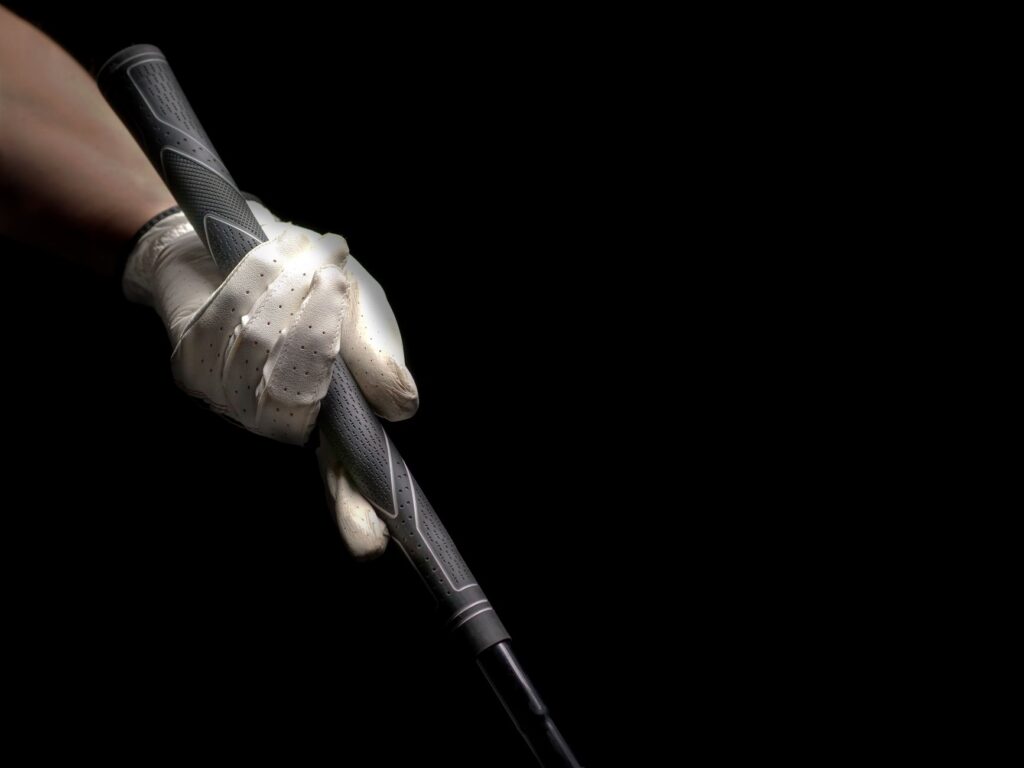
Consistency in golf comes from a combination of technique, mental focus, and practice. One of the key areas to pay attention to is your grip. Developing a reliable grip can significantly impact your performance, allowing you to control your swing and improve shot accuracy. Here are some essential golf grip tips to help you establish a consistent routine and practice effectively.
Developing a Routine
A pre-shot routine is vital for any golfer looking to enhance their game. Incorporating grip tips into this routine can help solidify your technique. Start by standing behind the ball and visualizing your shot. As you approach, take a moment to check your hand position. Ensure that your grip feels comfortable yet secure. A good grip should not be too tight, as this can lead to tension in your arms, negatively affecting your swing.
As you set up to hit the ball, take a deep breath and focus on your grip. Make sure your thumbs are aligned correctly and that your fingers wrap around the club naturally. This consistent approach helps create muscle memory, leading to better performance when you’re on the course. Remember, consistency is key, so practice this routine regularly to see improvement.
Practicing Grip Techniques on the Range
The driving range is the perfect place to reinforce proper grip techniques. Start by dedicating a portion of your practice session to focus solely on your grip. Experiment with different hand positions to find what feels most comfortable for you. Utilize the mirror or ask a friend for feedback on your grip to ensure it aligns with your goals.
Try the following exercises at the range:
- Grip Pressure Drills: Practice holding the club with varying grip pressures. Notice how your shots differ. A relaxed grip generally yields better control.
- Shadow Swings: Without hitting a ball, take practice swings focusing solely on your grip. This helps reinforce your muscle memory.
- Grip and Aim: Set up your shot with the correct grip, then focus on your alignment. This dual practice can help in developing a routine that encompasses both grip and aim.
By integrating these golf grip tips into your practice, you’ll likely notice enhanced consistency in your shots. Remember, the goal is to develop a routine that you can rely on every time you step up to the ball. With time and dedication, you’ll be on your way to more accurate and confident swings.

Mastering your grip can truly enhance your game, and these golf grip tips can be your guide to better shots. Remember that the right hand position is crucial for optimal control of your swing, allowing you to hit straighter and more consistent shots. Whether you prefer an overlapping or interlocking grip, make sure to practice it regularly to build muscle memory and confidence on the course.
As you experiment with these techniques, take note of how they influence your overall performance. Adjusting your grip can lead to noticeable improvements, but it takes time and practice to find what works best for you. So grab your clubs, hit the driving range, and implement these golf grip tips into your routine. You might be surprised at how much a small tweak can make a big difference in your game!
“`html
What are the best golf grip tips for beginners?
For beginners, the best golf grip tips include starting with a neutral grip, where your hands are positioned evenly on the club. Make sure your fingers wrap around the grip without excessive pressure. Practice the grip to ensure your palms are facing each other, which helps maintain control during your swing. Additionally, consider using a training grip or grip trainer to develop muscle memory. Regularly check your grip during practice rounds to make adjustments as needed.
How does hand position affect my golf swing?
Your hand position is crucial in determining the path and angle of your swing. A proper hand position allows for a more natural swing arc and helps you control your shots better. When your hands are too far forward or back on the grip, it can lead to inconsistent shots and poor ball flight. Focus on maintaining a comfortable and balanced hand position to enhance your overall control and accuracy.
What grip pressure should I use when hitting a golf ball?
Grip pressure is vital for a successful golf swing. Ideally, you should hold the club with a pressure level that’s firm but not tense, similar to holding a tube of toothpaste without squeezing it. This allows for better control and feel during the swing. Excessive grip pressure can lead to tension in your arms and shoulders, negatively affecting your swing mechanics and distance. Practice finding the right balance to improve your shots.
How can I improve my golf grip for better accuracy?
Improving your grip for better accuracy involves ensuring proper hand placement and grip pressure. Use the fundamentals of the overlap or interlock grip styles, depending on your comfort. Regularly practicing with alignment aids can help reinforce correct grip technique. Additionally, recording your swings can provide visual feedback, allowing you to see how grip changes affect your accuracy. Focus on consistency in your grip during every practice session.
What are common mistakes golfers make with their grip?
Common mistakes golfers make with their grip include holding the club too tightly, improper hand positioning, and neglecting to adjust grip for different clubs. Many golfers also overlook the importance of grip size, which can affect control and comfort. Additionally, inconsistent grip pressure throughout the swing can lead to erratic shots. By addressing these mistakes, you can improve your overall performance on the course.
How can I practice my grip effectively?
To practice your grip effectively, start by using a mirror to check your hand placement and alignment. You can also use grip trainers or practice swings at home without a ball to reinforce proper technique. Focus on maintaining consistent grip pressure and adjusting your grip based on the club you’re using. Incorporate grip drills into your practice routine, dedicating a few minutes each session to ensure your grip is correct and comfortable.
“`