
Mastering golf shot control is essential for any golfer looking to elevate their game. Whether you’re navigating a tricky course or trying to impress on the driving range, understanding how to manipulate your shot’s trajectory can make a significant difference. In this article, we’ll explore the ins and outs of golf shot control, focusing on how to hit both high and low shots. You’ll learn effective techniques for achieving higher trajectories, as well as the art of shot shaping to master those low, penetrating shots. We’ll also provide practical drills to help you hone your skills and identify common mistakes that can hinder your progress. By the end of this guide, you’ll be better equipped to enhance your golf shot control, leading to improved performance on the course. Ready to take your game to the next level? Let’s dive in!
“`html
Understanding Golf Shot Control for High and Low Shots
What is Golf Shot Control?
Golf shot control refers to a golfer’s ability to manage the direction, distance, and trajectory of their shots. This skill is crucial when aiming to execute both high and low shots effectively. A golfer with strong shot control can influence how the ball behaves in the air and upon landing, allowing for better course management and strategic play. For example, a high shot can help clear obstacles like trees, while a low shot can navigate through wind conditions more effectively. Understanding and mastering golf shot control will elevate your game and help you adapt to various playing conditions.
Importance of Trajectory Control
Trajectory control is a vital component of golf shot control. The angle at which the ball is struck can significantly impact its distance and landing. High shots, often referred to as “lofted shots,” allow for a soft landing on the greens, making it easier to stop the ball near the pin. Conversely, low shots tend to cut through the air, making them ideal for windy conditions or when playing under trees. Mastering trajectory control enables golfers to shape their shots more effectively, enhancing their overall performance on the course. By practicing different ball positions and club selections, you can gain better control over your shot trajectories, allowing for more versatile play on the golf course.

To improve your golf shot control, focus on your grip, stance, and swing mechanics. Experiment with different clubs and practice hitting a variety of shot shapes to determine what works best for you. With time and dedication, you’ll find that your ability to control both high and low shots will greatly enhance your overall game.
“`
Techniques for Hitting High Golf Shots
Adjusting Your Stance and Grip for Better Golf Shot Control
To achieve higher shots, start by adjusting your stance and grip. Position the ball forward in your stance, typically near your left heel (for right-handed players). This setup encourages a more upward strike on the ball, promoting a higher trajectory. Additionally, consider using a lighter grip pressure. A relaxed grip allows for better clubhead speed, which can elevate your shots further.
Experiment with your stance width as well. A slightly wider stance can provide stability, while a more open stance can help with shot shaping. Make sure to maintain balance; if you feel off-kilter, it might affect your shot height.
Using the Right Club for Optimal Trajectory Control
The choice of club significantly influences the height of your shots. Clubs with a higher loft, such as a pitching wedge or a sand wedge, are designed to produce elevated shots. These clubs help in trajectory control, allowing for a softer landing on greens. Conversely, lower-lofted clubs, like a 3-iron, will produce flatter shots, which are less suitable for high approaches.
When practicing, try using different clubs to see how they affect shot height. This experimentation will enhance your understanding of shot shaping and improve your overall golf shot control. Incorporate high shots into your practice routine, focusing on your stance, grip, and club choice. Over time, this will lead to improved consistency and skill on the course.

“`html
Mastering Low Golf Shots with Shot Shaping Techniques
When it comes to golf shot control, mastering low shots is essential for navigating challenging courses and windy conditions. Low shots can help you avoid hazards and keep your ball on target. To effectively hit these shots, it’s crucial to understand the mechanics involved, particularly focusing on ball position and your swing path.
Ball Position and Swing Path for Golf Shot Control
To achieve a successful low shot, start by adjusting your ball position. Place the ball slightly back in your stance, which helps to ensure a descending strike. This position promotes a lower launch angle and helps you keep the ball flight controlled. Additionally, focus on a steeper swing path. This means initiating your downswing with your arms and shoulders, allowing your hands to follow through at a lower angle, which will help in maintaining trajectory control.
As you practice, try to keep your follow-through compact. A shorter follow-through will help in keeping the ball flight lower. This approach not only enhances your shot shaping but also provides you with greater control over your distance and accuracy.

Wind Considerations for Effective Shot Shaping
Wind can significantly affect your shot, particularly when trying to hit low shots. A strong headwind can cause the ball to balloon, while a tailwind may help the ball stay lower. To adjust for these conditions, consider the following strategies:
- Headwind: Aim to strike down on the ball more aggressively and keep your follow-through shorter to combat the wind’s lift.
- Tailwind: You may want to tee the ball lower and take a more sweeping swing to allow the wind to carry the ball further.
Understanding how to adjust for wind and environmental factors is key to effective shot shaping. As you become more familiar with these techniques, your golf shot control will improve, enabling you to tackle various course conditions with confidence. For more insights on improving your game, explore our resources on Essential Fairway Shot Tips for Consistent Accuracy.
“`
Practical Drills to Improve Golf Shot Control
To truly master golf shot control, practicing specific drills aimed at enhancing your ability to hit high and low shots is essential. These drills will help you understand trajectory control and improve your shot shaping skills. Here are two effective drills you can incorporate into your practice routine.
Drill for High Shots
This drill focuses on achieving a higher trajectory, which can be beneficial for clearing obstacles or hitting greens with more stopping power. To practice:
- Set up a target about 100 yards away.
- Use a club like a 9-iron or wedge.
- Position the ball slightly forward in your stance.
- Open the clubface slightly and focus on making a smooth, upward swing. Aim to finish with your hands high and your weight shifted to your front foot.
- Track your shots, noting how many achieve the desired height.
Consistent practice of this drill will enhance your ability to control the ball’s trajectory, allowing for optimal shot shaping under various conditions.
Drill for Low Shots
For low shots, which can be useful in windy conditions or when you need to keep the ball under tree branches, try this drill:
- Choose a target similar to the high shot drill, around 100 yards away.
- Use a 7-iron or lower club.
- Position the ball slightly back in your stance.
- Keep the clubface square and focus on a downward strike with a low follow-through.
- Again, track your shots to see how many stay low and on target.
By dedicating time to these drills, you will significantly improve your golf shot control, enabling you to execute both high and low shots with confidence.

Remember, regular practice and tracking your progress will lead to noticeable improvements. Incorporate these drills into your routine and watch your game elevate to new heights.
Common Mistakes in Golf Shot Control
Overthinking Your Shots
One of the biggest pitfalls in achieving effective golf shot control is overthinking your shots. When golfers begin to analyze every element of their swing, they often lose the natural flow and rhythm necessary for consistent performance. This mental clutter can lead to hesitation, resulting in poor trajectory control and unintended shot shapes.
To counteract this, focus on simplifying your thought process. Before making a shot, establish a clear target and visualize the desired outcome. Trust your instincts and commit to your decision. Practicing visualization techniques can also help you maintain a more relaxed mindset, allowing your body to execute the shot more fluidly.
Neglecting Follow-Through in Golf Shot Control
Another common mistake is neglecting the follow-through. Many golfers believe that the impact of the club on the ball is the most critical element of a successful shot. However, a proper follow-through is essential for achieving the desired height and direction. Without it, you risk losing control of your shot shape and consistency.
To improve your follow-through, practice drills that emphasize this aspect. Focus on extending your arms fully and allowing your body to rotate naturally after impact. This will help you maintain balance and promote better trajectory control. Remember, a smooth follow-through not only aids in shot shaping but also contributes to overall accuracy.

By addressing these common mistakes, you can enhance your golf shot control and see improvements in both your performance and enjoyment of the game. For further insights into mastering your shots, consider exploring How to Improve Your Golf Swing: Tips from Dungeness Pros.
Conclusion: Enhancing Your Golf Shot Control Skills
Mastering high and low shots is essential for effective golf shot control. These skills allow you to navigate various course conditions and obstacles, ensuring that you can adapt your approach as needed. By focusing on trajectory control and shot shaping, you can unlock new levels of performance on the course.
One of the key takeaways is understanding the role of your equipment. Different clubs can significantly impact shot height and distance. For instance, using a lower lofted club can help you achieve a lower shot, while a higher lofted club is ideal for elevating your ball. 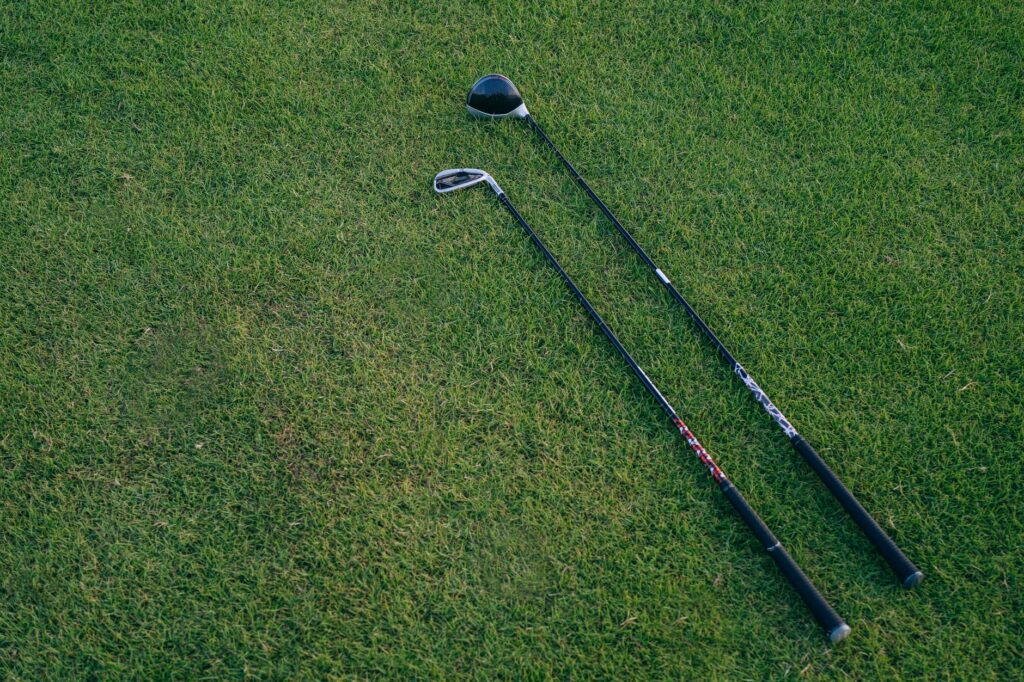
Additionally, practice is crucial. Spend time on the driving range experimenting with various techniques for high and low shots. Try adjusting your stance, grip, and swing speed to see how these changes affect your shots. Keeping a consistent practice routine will not only refine your skills but also build the muscle memory necessary for reliable execution during a round.
Patience is equally important. Developing your golf shot control takes time and dedication. Don’t be discouraged by initial struggles; instead, view them as opportunities to learn and improve. With persistence, you’ll find that you can confidently shape your shots to suit any situation on the course.
Incorporating these strategies into your training will enhance your ability to control your shots effectively. By mastering high and low shots, you’ll elevate your overall game and position yourself for success on the course.
Mastering golf shot control is essential for any player looking to elevate their game. By incorporating techniques for both high and low shots, you can enhance your trajectory control and more effectively navigate various course conditions. Remember, shot shaping is not just about hitting the ball; it’s about understanding how different angles and heights can influence your play. The better you grasp these concepts, the more versatile you will become on the course.
Now that you have a solid understanding of high and low shots, the next step is to practice these techniques on the driving range. Focus on experimenting with your stance and grip to see how they affect shot shaping. As you refine your golf shot control, you will find that your confidence on the course will grow, leading to improved performance. So grab your clubs and start working on those shots today!
“`html
How do I control the trajectory of my golf shots?
Controlling the trajectory of your golf shots involves adjusting your stance, grip, and clubface angle. For higher shots, open your stance slightly and position the ball forward in your stance. Use a more lofted club and focus on a smooth, ascending swing path. For lower shots, position the ball back in your stance, close the clubface slightly, and make a more descending strike. Practicing these adjustments will enhance your overall golf shot control.
What are the best techniques for hitting high golf shots?
To hit high golf shots, start by selecting a club with more loft, such as a pitching wedge or a sand wedge. Position the ball forward in your stance, which encourages an upward angle of attack. Ensure your grip is neutral to avoid closing the clubface. A smooth, full swing with a follow-through that extends upward will help achieve the desired height. Practicing this technique will improve your shot shaping and help you master high golf shots.
How can I effectively shape my golf shots?
Shaping your golf shots involves manipulating the clubface and swing path. For a draw, aim right of the target with a closed clubface at impact, while ensuring your swing path is inside-out. For a fade, aim left with an open clubface, and your swing path should be outside-in. Practicing these techniques will improve your golf shot control and enhance your ability to navigate different course conditions.
What adjustments should I make for low shots?
To hit low shots, start by placing the ball further back in your stance, which promotes a descending strike. Use a club with less loft, such as a 7-iron or lower. Keep your hands ahead of the ball at impact to ensure a clean strike. A more compact swing with a lower follow-through will help maintain a lower trajectory. These adjustments are key to effective golf shot control, especially in windy conditions.
How does wind affect shot control in golf?
Wind can significantly impact shot control in golf. A headwind can lower your shot’s trajectory and distance, while a tailwind can elevate it and add yards. To counter wind, adjust your stance and club selection; for example, use a lower lofted club into the wind. Understanding how to read wind conditions is crucial for maintaining effective golf shot control and achieving desired results on the course.
What common mistakes should I avoid when controlling my golf shots?
Common mistakes in golf shot control include improper grip, inconsistent ball position, and neglecting swing path dynamics. A weak grip can lead to poor clubface control. Inconsistent ball positioning can affect shot trajectory and distance. Additionally, failing to maintain a balanced swing can result in erratic shots. Focusing on these elements will help you achieve better control over your golf shots and enhance your overall performance.
“`