

Every golfer, from beginners to seasoned players, encounters golf swing errors that can hinder performance on the course. Understanding these common mistakes is the first step towards improving your game. In this article, we will dive into the most frequent golf swing errors and their effective corrections, providing you with essential technique fixes to help you refine your swing. Whether you struggle with your grip, stance, or follow-through, recognizing these pitfalls is crucial. Additionally, we emphasize the importance of practice and patience in mastering your golf swing. With dedication and the right strategies, you can transform your game and enjoy a more rewarding golfing experience. Ready to swing into improvement? Let’s explore the world of golf swing errors and discover how you can elevate your skills on the green! For more details on swing mechanics, check out resources from the PGA and the USGA.
Understanding Golf Swing Errors
What Are Golf Swing Errors?
Golf swing errors refer to mistakes made during the execution of a golf swing that can negatively impact the trajectory, distance, and accuracy of the ball. These errors can stem from various factors, including grip, stance, posture, and the swing path. Common types of golf swing errors include overswinging, improper grip pressure, and inconsistent alignment. Each of these errors can lead to a range of mishits, such as slices, hooks, and topped shots, ultimately affecting a golfer’s performance.
The Impact of Swing Errors on Performance
Errors in the golf swing can significantly hinder a player’s ability to perform consistently. When a golfer regularly encounters these issues, frustration often follows, making it challenging to enjoy the game. Studies have shown that even minor discrepancies in swing mechanics can lead to substantial differences in shot accuracy and distance. For example, a study published in the Journal of Sports Sciences highlighted that proper swing mechanics are crucial for maximizing performance and minimizing errors.
Understanding and correcting these golf swing errors is vital for improvement. By identifying the specific errors in technique, players can implement targeted corrections to enhance their overall game. Focusing on technique fixes, such as refining grip and stance, can lead to more consistent shots and a more enjoyable golfing experience. Remember, even professional golfers continually work on their swing mechanics to optimize performance and reduce errors. Take the time to evaluate your swing, and don’t hesitate to seek help from a professional instructor if needed.
Common Golf Swing Errors and Corrections
Incorrect Grip and Stance
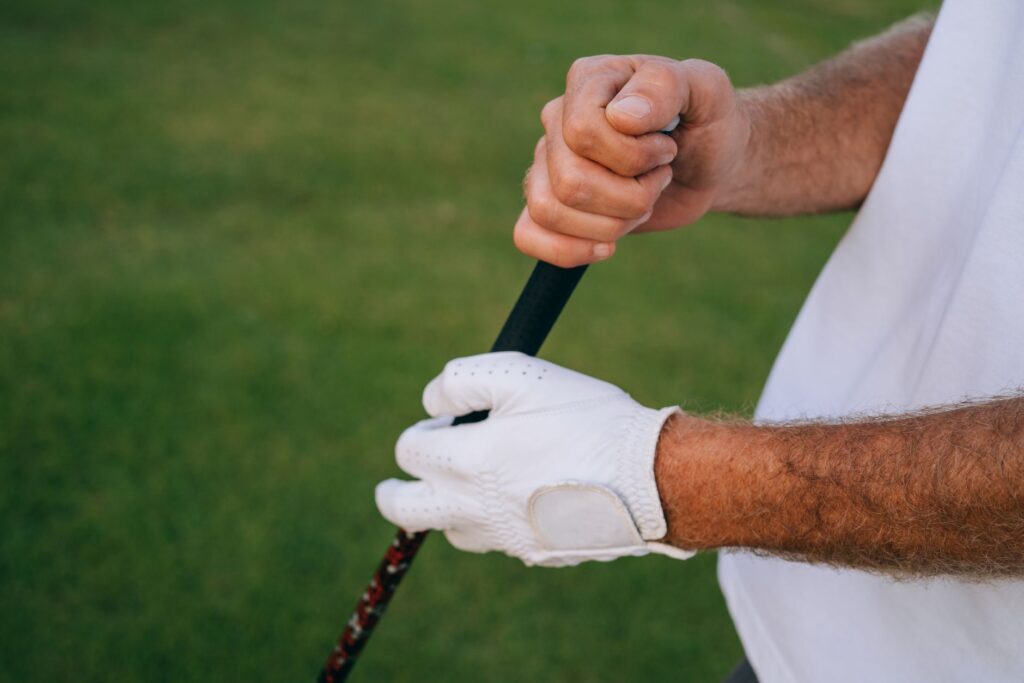
One of the most prevalent golf swing errors is an improper grip. When players grip the club too tightly or too loosely, it can significantly affect the swing’s power and accuracy. Additionally, a poor stance, such as standing too wide or too narrow, can lead to instability during the swing.
Corrections: Start by holding the club with a relaxed grip, ensuring your hands are positioned correctly. A proper grip should allow the club to rest comfortably in your fingers, not your palms. For the stance, aim for shoulder-width apart with your weight evenly distributed. You can practice this by standing in front of a mirror to check your form or using a video recording to analyze your grip and stance.

For a detailed guide on grip techniques, check out Improve Golf Swing Dungeness.
Misaligned Swing Path and Other Golf Swing Errors
Another key issue arises from a misaligned swing path. Many golfers unintentionally swing outside-in or inside-out, leading to inconsistent shots and hooks or slices. This misalignment often stems from poor alignment at address or a lack of awareness of the swing plane.
Corrections: To fix swing path errors, practice alignment drills. Use alignment sticks or clubs on the ground to check your target line and foot positioning. A helpful drill involves swinging while focusing on swinging the clubhead along an imaginary line that runs parallel to your target line. Video analysis can also help identify and correct swing path issues.
For more on swing path correction, visit Best Golf Equipment for Dungeness Conditions.
Poor Follow Through
A common golf swing error that is frequently overlooked is the follow-through. A weak or incomplete follow-through can indicate tension during the swing, affecting both distance and accuracy.
Corrections: Aim for a full follow-through by focusing on your balance and body rotation. Practice swinging with a slow tempo, allowing your body to naturally finish the swing. You can also place a tee behind your feet; if you hit it during your follow-through, you know you’re finishing correctly.
For drills to improve your follow-through, check out Dungeness Golf Swing Tips for Improvement.
By addressing these common golf swing errors and implementing the suggested technique fixes, you’ll see significant improvements in your game. Consistent practice and awareness will lead to better performance on the course.
Techniques to Improve Your Swing
Improving your swing is essential to minimizing golf swing errors and enhancing your overall performance on the course. Here, we’ll explore effective drills and the use of technology to help identify and correct these errors.
Drills for Correcting Swing Errors
Practicing specific drills can significantly help in correcting golf swing errors. Here are a few effective techniques:
- Slow Motion Swings: This drill focuses on your swing mechanics by allowing you to feel each part of your swing without rushing. Perform your swing in slow motion, paying attention to your grip, stance, and follow-through.
- Alignment Stick Drill: Use alignment sticks to ensure your body and club are aligned correctly. Place one stick on the ground to represent your target line and another along your feet to maintain proper alignment.
- One-Handed Swings: Practicing swings with one hand can help isolate the mechanics of each side of your body. This drill can improve your balance and strengthen your grip.
For more detailed information on swing drills, you can explore resources from Golf Digest and Golf.com.
Utilizing Technology for Analysis of Golf Swing Errors
Incorporating technology into your training can provide invaluable insights into your swing. Tools like swing analyzers and video feedback can help you visualize your swing path and identify golf swing errors that may not be apparent during practice.
Swing analyzers, such as TrackMan or GolfTEC, offer metrics on swing speed, angle, and path. Additionally, using your smartphone or a tablet to record your swings allows you to review your form and make necessary corrections. This type of feedback is essential for developing effective technique fixes.
For more on how to effectively use technology in your practice, check out this guide.

By incorporating these drills and utilizing technology, you can significantly reduce golf swing errors. Remember, consistency and practice are key to mastering your swing and elevating your game.
The Importance of Practice and Patience
When it comes to correcting golf swing errors, the value of consistent practice cannot be overstated. Regular practice not only helps reinforce the correct techniques but also builds muscle memory, making it easier to implement technique fixes on the course. Unfortunately, many golfers expect immediate results, leading to frustration and discouragement. Understanding that improvement takes time and dedication is crucial.
Creating a Practice Routine
To effectively address swing errors, establishing a structured practice routine is key. Aim to allocate specific time slots each week for focused practice sessions. Incorporate drills that target your identified swing issues, whether it’s your grip, stance, or follow-through. For instance, practicing with alignment sticks can help ensure that your swing path is correct. Consider setting a goal for each session, such as improving your accuracy with short irons or increasing the consistency of your drives.
Additionally, keep track of your progress. Journaling your practice sessions can provide insight into what improvements are being made and what areas still need attention. Regularly reviewing your notes can help you stay focused and motivated, as you can visually see your progress over time. For more tips on effective practice routines, check out Master Your Game with Golf Swing Analysis.
Staying Motivated During Corrections of Golf Swing Errors
Staying motivated while working through corrections can be challenging, especially when progress seems slow. One effective strategy is to set realistic, achievable goals. Break down larger goals into smaller, manageable milestones. For example, if your ultimate aim is to lower your handicap by a certain number of strokes, focus on making one specific swing adjustment at a time. Celebrate small victories, such as hitting more fairways or consistently making solid contact with the ball.
Another helpful approach is to incorporate mental strategies into your practice. Visualization techniques, where you mentally rehearse your swing before taking a shot, can enhance your focus and confidence. Mindfulness practices can also keep you grounded and patient during your journey of improvement. For further insights on mental strategies for golfers, look into Golfing in Dungeness: A Beginner’s Guide.
Ultimately, patience and persistence are your best allies in overcoming golf swing errors. With a solid practice routine and a motivated mindset, you can make significant strides in your golfing performance.

Conclusion: Mastering Your Golf Swing
Understanding and correcting golf swing errors is essential for any golfer seeking to improve their game. Throughout this article, we’ve identified common mistakes such as improper grip, misaligned stance, and inconsistent follow-through. Each of these errors can significantly impact your performance, leading to missed shots and frustration on the course. However, with the right awareness and technique fixes, you can turn your weaknesses into strengths.
Applying the corrections we discussed will not only help you address specific issues but also enhance your overall swing mechanics. Focus on practicing drills that reinforce proper grip and alignment while being mindful of your body’s movements throughout the swing. Remember, consistency is key when implementing these changes. Regular practice will help solidify these corrections, making them second nature during your rounds.
As you work on mastering your golf swing, consider keeping a journal to track your progress. Note the specific golf swing errors you encounter and the corrections you apply. This will allow you to see improvement over time and stay motivated to continue refining your technique.
Ultimately, the goal is to develop a swing that feels natural and effective for you. By actively identifying and correcting your mistakes, you’ll not only lower your scores but also enjoy the game more. So grab your clubs, hit the driving range, and start applying these techniques today!

Identifying and addressing common golf swing errors can dramatically improve your game. By focusing on technique fixes, you can correct issues like improper grip or alignment that often lead to inconsistent shots. Remember, even small adjustments can lead to significant improvements. Don’t hesitate to seek guidance from a coach or utilize training aids to help refine your skills.
As you work on making corrections, practice consistently and be patient with yourself. Golf is a game of precision, and mastering your swing takes time and dedication. To further enhance your learning, consider recording your swing to visually identify errors or exploring online tutorials that focus on specific golf swing errors. Start today, and watch your game transform!
“`html
What are the most common golf swing errors?
The most common golf swing errors include improper grip, incorrect stance, poor alignment, and not following through. These mistakes can lead to inconsistent shots and missed targets. Additionally, many golfers struggle with slicing or hooking the ball due to improper swing path or body rotation. Identifying these golf swing errors is the first step towards improving your game and achieving better accuracy and distance.
How can I correct my golf swing mistakes?
To correct your golf swing mistakes, start by analyzing your current technique. Consider recording your swing to identify issues. Focusing on fundamentals such as grip, stance, and alignment is crucial. Additionally, practicing specific drills that target your weaknesses can reinforce proper habits. Seeking feedback from a golf instructor can also provide personalized corrections and technique fixes that will help you improve more rapidly.
What is the best way to practice golf swing corrections?
The best way to practice golf swing corrections is through repetition and focused drills. Set aside time to work on specific aspects of your swing, such as your grip or follow-through. Utilize training aids or alignment sticks to guide your practice. Start with slow, deliberate swings, gradually increasing speed as you become more comfortable. Regularly reviewing your progress through video analysis can also help solidify correct techniques.
How does grip affect my golf swing?
Your grip has a significant impact on your golf swing, as it directly influences clubface control and swing path. A grip that is too strong or weak can lead to hooks or slices. Ensuring that your grip is neutral, with the club resting in the fingers rather than the palm, can enhance your control and consistency. Adjusting your grip can also help correct common golf swing errors and improve overall performance.
What drills can help fix my swing path?
To fix your swing path, try drills such as the ‘gate drill’ where you place two objects (like tees) just outside the path of your swing. This encourages you to swing through the ‘gate’ without hitting the objects, promoting a more direct swing path. Another effective drill is the ‘alignment stick drill’, where you place a stick on the ground to help visualize your target line and maintain proper alignment throughout your swing.
How can technology help improve my golf swing?
Technology can significantly enhance your understanding and improvement of your golf swing. Tools like launch monitors provide data on swing speed, angle, and ball flight, helping you analyze your performance. Additionally, swing analysis apps or video analysis software can offer visual feedback, enabling you to compare your swing against professional techniques. Using such technology can help identify and correct golf swing errors more effectively than practice alone.
“`