

Mastering your golf swing tempo is crucial for achieving peak performance on the course. Golf swing tempo refers to the rhythm and timing of your swing, which significantly impacts swing consistency and overall game results. In this article, we will explore the importance of understanding golf swing tempo, including how it influences your performance and how to build a reliable tempo that works for you. We’ll cover key techniques to help you establish a solid rhythm, identify common mistakes that can disrupt your timing, and discuss how technology can aid in improving your swing tempo. Additionally, you’ll discover effective practice strategies that promote consistent golf swing tempo. Whether you’re a beginner looking to enhance your skills or an experienced player seeking to refine your game, this guide will provide you with the insights needed to elevate your performance. Let’s tee off into the world of golf swing tempo!
Understanding Golf Swing Tempo and Its Importance
What is Golf Swing Tempo?
Golf swing tempo refers to the rhythm and timing of your swing from the start of your backswing through to your follow-through. It’s not just about how fast or slow you swing the club; it’s about the smoothness and consistency of that motion. A well-timed swing can lead to improved accuracy and distance, while an inconsistent tempo can result in erratic shots. Think of it like playing a musical instrument; each note needs to be played at the right speed to create harmony.

Why Tempo Matters in Golf
Tempo plays a critical role in achieving better swing consistency. According to Golf.com, golfers who focus on maintaining a steady tempo often achieve greater control over their shots. Research shows that a consistent swing tempo improves not just distance but also accuracy, as it helps create a more repeatable motion. For instance, players with a swing tempo of around 3:1, where the backswing lasts three times as long as the downswing, tend to perform better in various conditions.
When you achieve the right rhythm, your body can work in unison, allowing for a more powerful and precise strike on the ball. This is essential, especially when you consider that even a slight deviation in timing can lead to significant changes in your shot trajectory. By mastering your golf swing tempo, you can enhance your overall performance on the course and reduce the frustration of inconsistent play. For practical tips on improving your rhythm, check out golf swing improvement.
Building Your Golf Swing Tempo: Key Techniques
Finding Your Natural Rhythm
Establishing a natural rhythm is crucial for achieving an effective golf swing tempo. A good starting point is to focus on your breathing. Take a deep breath before you set up to the ball and exhale slowly as you begin your swing. This simple technique helps to relax your body and mind, promoting a smoother motion.
Another effective method is to practice your swing with a metronome. Set it to a comfortable tempo and attempt to synchronize your backswing and downswing with the beats. This drill encourages a consistent rhythm, allowing you to develop a feel for timing. Try counting “one” during your backswing and “two” as you strike the ball, fostering a natural flow to your swing.

Developing a Consistent Timing in Your Golf Swing Tempo
To enhance your swing consistency, consider incorporating specific drills that focus on timing. One popular drill is the “pause at the top.” During this exercise, take your club to the top of your backswing and hold it for a brief moment before starting your downswing. This pause allows you to gather your thoughts and ensures that you are not rushing your swing.
Additionally, practicing with a weighted club can also improve your swing tempo. The added weight forces you to slow down and maintain control, which translates into better timing when using your regular club. Aim to practice these drills regularly to see improvements in your overall swing consistency.
By focusing on finding your natural rhythm and developing consistent timing, you are well on your way to mastering your golf swing tempo for better performance on the course. For more tips on improving your swing, check out common golf swing mistakes.
Common Mistakes That Disrupt Golf Swing Tempo
Overthinking Your Swing
Many golfers fall into the trap of overthinking their swing mechanics. This mental chatter can lead to a disrupted golf swing tempo, as players become overly focused on individual components rather than maintaining a fluid motion. When you start questioning your grip, stance, or follow-through mid-swing, it can create tension and throw off your timing.
Solution: Simplify your thoughts. Instead of fixating on each element of your swing, focus on the overall rhythm and feel. Try visualizing your swing as a smooth, continuous motion rather than a series of isolated actions. Practicing mindfulness techniques can help you stay present and reduce overthinking.
Inconsistent Practice Routines
Another common mistake is an inconsistent practice routine. Golfers who don’t regularly practice or switch up their drills may struggle to develop swing consistency and rhythm. This inconsistency can lead to varied swing tempos during actual play, causing frustration and poor performance on the course.
Solution: Establish a dedicated practice schedule. Aim to focus on your swing tempo during each session, incorporating drills that reinforce rhythm and timing. For instance, using a metronome or counting out loud can aid in establishing a consistent tempo. Additionally, consider incorporating both full swings and half swings to build muscle memory.

By avoiding these common pitfalls, you can enhance your golf swing tempo and achieve better performance on the course.
Using Technology to Improve Your Golf Swing Tempo
Understanding and enhancing your golf swing tempo is crucial for achieving better performance on the course. Today, a variety of technological tools can help you analyze your swing and improve your rhythm and timing. Whether you are a beginner or a seasoned player, integrating these tools can provide valuable insights into your swing consistency.
Swing Analysis Tools
One of the most effective ways to evaluate your golf swing tempo is by using swing analysis tools. Devices like TrackMan and Golfzon offer advanced metrics that assess your swing mechanics, including tempo. These devices use high-speed cameras and sensors to record your swing, allowing you to visualize your timing and rhythm. By reviewing slow-motion footage, you can pinpoint areas for improvement and work on achieving a smoother swing.
Apps for Monitoring Golf Swing Tempo
Numerous apps can assist in tracking your golf swing tempo directly from your smartphone. Applications like Golfshot and Zepp Golf provide real-time feedback on your swing. With features that analyze swing speed, tempo, and consistency, these apps help you monitor your progress over time. Some apps even include training programs tailored to your specific needs, making it easier to achieve the desired rhythm in your swing.
Combining these technologies with regular practice can lead to significant improvements in your golf swing tempo. By understanding your swing better, you can make informed adjustments that will enhance your overall performance on the course. Dungeness Golf tips for beginners

Practice Strategies for Consistent Golf Swing Tempo
Achieving a consistent golf swing tempo is essential for maximizing your performance on the course. To develop this skill, you need to engage in targeted practice strategies that focus on rhythm, timing, and swing consistency. Here are some effective drills and routines to help you maintain a steady tempo during your swings.
Drills to Enhance Rhythm
One effective way to improve your golf swing tempo is through rhythm drills. Here are two to get you started:
- Count Your Beats: As you practice your swing, count “one, two” in your head. The “one” should correspond to your takeaway, and “two” should align with your follow-through. This method helps establish a consistent pace.
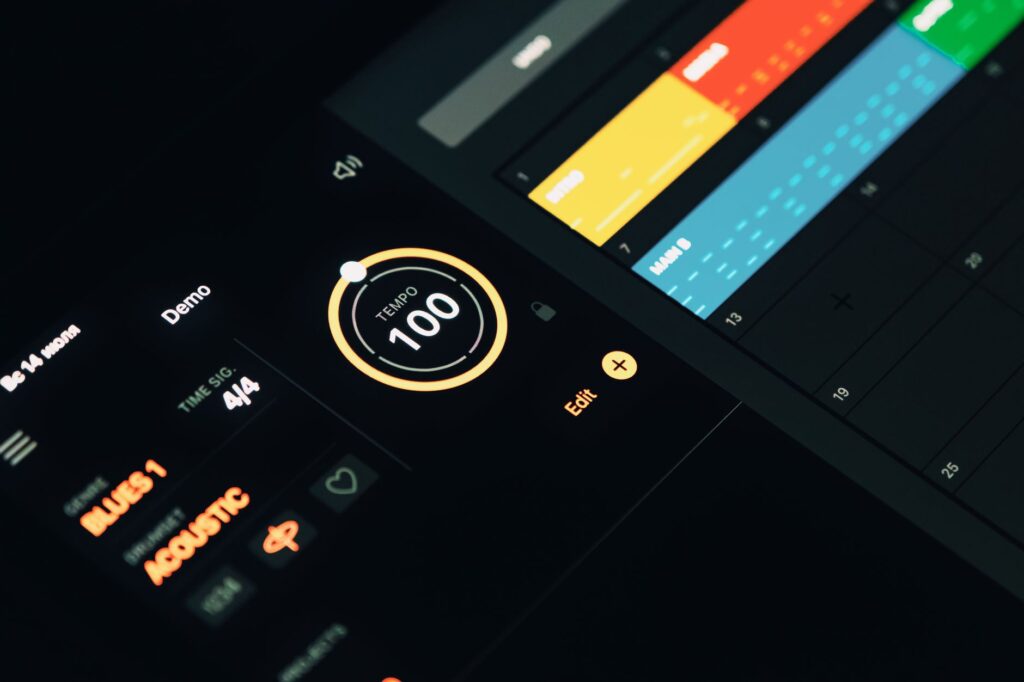
- Metronome Drill: Use a metronome app or device set at a slow tempo (around 60 BPM). Swing in sync with the beats, allowing the metronome to guide your rhythm. Gradually increase the tempo as you become more comfortable.
These drills emphasize the importance of repetition and mental focus, allowing you to internalize your desired tempo.
Establishing a Pre-Swing Routine for Golf Swing Tempo
Creating a consistent pre-swing routine can greatly enhance your golf swing tempo. Here’s how to establish one:
- Visualize Your Shot: Before stepping up to the ball, take a moment to visualize your shot. Picture the desired trajectory and landing area.
- Take a Few Practice Swings: Mimic your actual swing with 2-3 practice swings. Focus on maintaining a smooth rhythm.
- Set Your Stance: Approach the ball with confidence, ensuring that your grip and stance are consistent.
This routine not only prepares you physically but also mentally, solidifying your golf swing tempo before you hit the ball. Consistency in this process leads to better timing and ultimately improved performance on the course.
By implementing these drills and establishing a pre-swing routine, you can significantly enhance your golf swing tempo. Remember, practice makes perfect, so dedicate time to these strategies regularly for the best results.
Conclusion: Achieving Consistency in Your Golf Swing Tempo
Recap of Key Points on Golf Swing Tempo
Throughout this article, we’ve explored the vital role that golf swing tempo plays in enhancing your overall performance on the course. A consistent rhythm and timing in your swing not only improves accuracy but also boosts your confidence with every shot. We discussed various methods to assess and develop your golf swing tempo, such as using metronomes, practicing drills, and focusing on your body movements. Each of these strategies contributes to achieving swing consistency, allowing you to find your unique rhythm while promoting a fluid motion that leads to better shots.
Encouragement and Next Steps
Now that you understand the importance of golf swing tempo, it’s time to take action. Start by incorporating the drills and techniques shared in this article into your practice routine. Set specific goals for your swing tempo and track your progress. Remember, consistency doesn’t come overnight, but with dedication and practice, you’ll see improvements in your game. Don’t hesitate to reach out for guidance or join local golf clinics to refine your skills further. As you work on your tempo, you’ll find that not only will your swing improve, but your enjoyment of the game will flourish as well.

Mastering your golf swing tempo is essential for achieving better performance on the course. By focusing on the rhythm and timing of your swing, you can enhance swing consistency, leading to more accurate shots and improved scores. Remember that developing a smooth tempo takes practice and patience, so don’t be discouraged if you don’t see immediate results.
The next time you head to the driving range or the course, take a moment to consciously work on your golf swing tempo. Use drills that emphasize a steady rhythm and allow yourself to feel the correct timing in your swings. With dedication and a bit of mindfulness, you’ll find that a well-timed swing can significantly elevate your game. So grab your clubs and start practicing today, you’ll be amazed at the difference it can make!
“`html
What is golf swing tempo and why is it important?
Golf swing tempo refers to the rhythm and timing of your swing, encompassing the speed at which you transition between the backswing, downswing, and follow-through. It plays a crucial role in striking the ball cleanly and consistently. A well-timed swing allows for better control and accuracy, ultimately leading to improved performance on the course. Understanding and mastering your golf swing tempo can be the difference between a great shot and a missed opportunity.
How can I improve my golf swing timing?
Improving your golf swing timing involves practice and awareness of your movements. Start by focusing on a smooth transition between your backswing and downswing. Use a metronome or count to maintain a steady pace. Practicing slow-motion swings can help you feel the proper rhythm, while drills that emphasize tempo, such as the “pause at the top” drill, can enhance your timing and overall swing consistency.
What drills help with swing consistency?
To enhance swing consistency, consider drills like the “one-handed swing” drill, which helps develop strength and control. The “mirror drill” allows you to check your form and timing visually. Additionally, practicing with alignment sticks can ensure that your body and club path are consistent throughout your swing. Regularly incorporating these drills into your practice routine can significantly improve your swing rhythm and timing.
Can technology help improve my golf swing tempo?
Yes, technology can greatly assist in improving your golf swing tempo. Devices like swing analyzers and launch monitors provide data on swing speed, path, and timing, allowing you to make informed adjustments. Video analysis apps let you compare your swing against professional golfers, helping you identify areas for improvement. Utilizing these tools can enhance your understanding of your swing rhythm and lead to better performance on the course.
What common mistakes affect golf swing rhythm?
Common mistakes that affect golf swing rhythm include rushing the downswing, locking the knees, and poor weight transfer. Many golfers also tend to over-grip the club, which can lead to tension and disrupt the flow of the swing. Additionally, failing to maintain a balanced stance can hinder your timing. Recognizing and correcting these issues can help you achieve a smoother, more consistent golf swing tempo.
How do I find my natural golf swing rhythm?
Finding your natural golf swing rhythm involves experimentation and self-awareness. Start by practicing with a relaxed grip and focusing on smooth transitions between your swing phases. Record your swings to analyze your tempo and identify what feels comfortable. Pay attention to how different club lengths and head speeds impact your rhythm. Over time, you’ll develop a better understanding of your unique golf swing tempo, leading to more consistent performance.
“`