

High altitude golf ball flight presents a fascinating twist in the game of golf that can significantly elevate your performance. As you ascend to higher elevations, the thinner air affects how far and how accurately a golf ball travels, leading to changes in golf ball distance at altitude and overall golf ball performance elevation. In this article, we’ll explore the science behind how altitude impacts golf, delving into the dynamics of ball flight and the strategies needed to adapt your game. We will also provide practical tips for golfing at high altitudes that can help you maximize your performance. Whether you’re planning a trip to the mountains or simply curious about the effects of elevation on your game, understanding these factors will enhance your experience on the course. So, let’s tee off into the world of high altitude golf ball flight and uncover how you can master the nuances of playing at elevation.
Understanding High Altitude Golf Ball Flight
When golfers hit the course at elevated locations, they often notice a significant difference in how their golf balls behave. High altitude golf ball flight is influenced primarily by reduced air density, which can lead to increased distance and altered trajectories. Understanding the science behind this phenomenon is essential for players looking to optimize their game in mountainous regions.
What Happens to Golf Balls at High Altitude?
At high altitudes, the atmosphere is thinner, meaning there are fewer air molecules to create drag on a moving golf ball. This reduction in drag allows the golf ball to travel faster and further than it would at sea level. Studies have shown that for every 1,000 feet above sea level, golf ball distance altitude can increase by approximately 2-3%. This means that a golfer could potentially hit their drives 10-15 yards farther at a course located 5,000 feet above sea level compared to one at sea level.
Additionally, the impact of altitude on golf also affects the ball’s trajectory. With less air resistance, golf balls tend to rise higher and stay in the air longer, providing a more pronounced carry. The combination of increased lift and decreased drag results in a unique flight pattern that can be both beneficial and challenging, depending on the golfer’s skill level and understanding of how to adjust their swing.
Key Factors Influencing Golf Ball Performance at Elevation
Several key factors influence high altitude golf ball flight, including:
- Temperature: Higher temperatures can further reduce air density, amplifying the effects of altitude.
- Humidity: Moist air is less dense than dry air, which can also affect golf ball performance elevation.
- Ball Design: Different golf balls are engineered with varying levels of spin and compression, which can impact how they react in thinner air.
To make the most of your high altitude golfing experience, consider adjusting your club selection and swing techniques. Familiarizing yourself with the nuances of high altitude golf ball flight will help you harness the advantages of elevated courses and improve your overall performance.
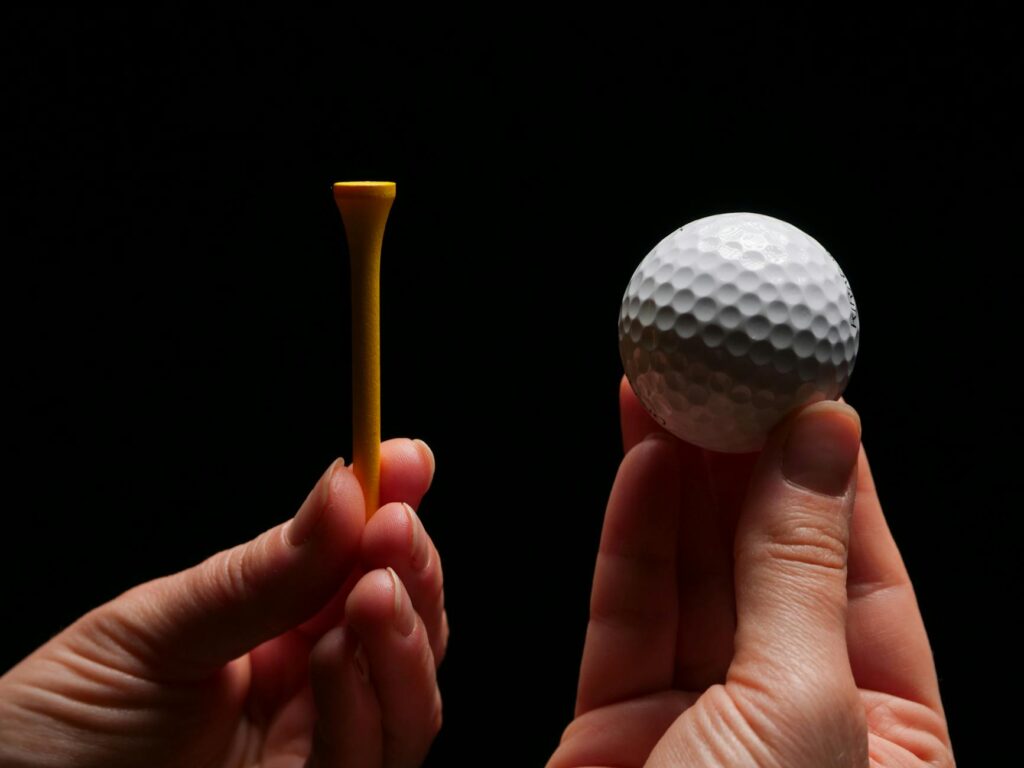
Golf Ball Distance at Altitude: The Science Explained
Understanding the physics behind high altitude golf ball flight can significantly improve your game. When you tee off at a higher elevation, the golf ball experiences less air resistance due to the thinner atmosphere. This results in increased distance, allowing golfers to capitalize on the unique conditions of high-altitude courses.
How Much Further Do Golf Balls Travel at High Altitude?
Research indicates that golf balls can travel up to 10% further at high altitudes compared to sea level. For example, at an elevation of 5,000 feet, a well-hit drive can typically gain an additional 20 to 25 yards. This phenomenon is largely attributed to the reduction in air density, which decreases drag on the ball as it travels through the air. A study by USGA reveals that even top players notice a marked difference in their golf ball performance elevation, emphasizing the importance of adjusting your strategy when playing in these conditions.
Comparison with Sea-Level Golfing
At sea level, the density of the air is significantly greater, resulting in more drag on the golf ball. For instance, a typical drive that flies 250 yards at sea level may only reach around 225 yards at high altitude under similar conditions. This stark difference in golf ball distance altitude underlines the need for golfers to recalibrate their expectations and techniques when venturing into mountainous regions.
Incorporating these insights into your game can lead to improved performance. Make sure to adjust your club selection and aim higher on your approach shots, as the ball will travel further than you’re accustomed to. Understanding the impact of altitude on golf can transform your play and enhance your enjoyment of the game.

The Impact of Altitude on Golf: Performance and Strategy
Playing golf at high altitude presents unique challenges and opportunities that can significantly affect your game. Understanding the impact of altitude on golf can help you make the necessary adjustments for better performance on the course. The thinner air at higher elevations reduces drag on the golf ball, leading to increased distances but also requiring a reevaluation of your strategy and equipment.
Adjusting Your Game for High Elevation
When it comes to high altitude golf ball flight, one of the critical adjustments is in your club selection. Typically, golfers can expect to hit their clubs farther, often by 10 to 15 percent, due to decreased air resistance. Therefore, if you usually hit your 7-iron 150 yards, you might find it flying closer to 165 yards in high elevation conditions. This means you might need to club down a notch or two for better accuracy.
Additionally, swing mechanics may also require fine-tuning. The lower air density can affect ball trajectory, which often results in a higher ball flight. As a result, to achieve optimal distance, focus on making your swing more compact and controlled, ensuring you maintain accuracy while adjusting for the increased distance.
Equipment Considerations for High Altitude Golfing
When tackling high altitude courses, selecting the right equipment is crucial. Using golf balls specifically designed for golf ball performance elevation can enhance your experience. Look for balls with lower compression ratings, which can provide better control and feel in thinner air. Brands like Titleist and Callaway offer models that cater to players in high altitude regions.
Moreover, consider adjusting your club settings. For example, using a driver with a higher loft can help counter the effects of a higher ball flight, allowing for more control over your shots. This is particularly useful when navigating courses with significant elevation changes.

by understanding the nuances of golf ball distance altitude and how it affects your game, you can make informed adjustments to both your strategy and equipment. Embrace the unique challenges of high altitude golfing to enhance your performance and enjoy the game even more.
For more tips on improving your game at high elevations, check out our insights on How to Play Golf in High Altitude: Tips for Adjusting Your Game.
Practical Tips for Golfing at High Altitude
Training and Preparation for High Altitude Golf Ball Flight
When preparing to play golf at a high altitude, understanding the impact of altitude on golf is crucial. The thinner air can lead to greater ball carry and reduced drag, which means your shots may travel farther than expected. To adapt, consider increasing your cardiovascular fitness, as higher altitudes can be taxing on the body. Incorporate aerobic exercises such as running or cycling into your routine to build endurance. Additionally, practice at your local driving range with a focus on longer clubs, as you’ll need to adjust your swing mechanics to account for increased distance.
Mental preparation is equally important. Familiarize yourself with the courses at high altitude and visualize your shots, focusing on how distance will change with each club. This will help you adapt quickly when you’re on the course.
Choosing the Right Golf Ball for High Altitude Golf Ball Flight
Selecting the right golf ball can significantly impact your golf ball performance elevation. Look for balls designed for greater distance, as they are typically lower compression and have a softer feel. Golf balls with a lower spin rate can also be beneficial, minimizing the effects of altitude while maximizing distance. Brands like Callaway and Titleist often receive high marks in product reviews for their performance in these conditions. For example, the Callaway Chrome Soft is known for its ability to maintain control while maximizing distance at altitude.
Be sure to test different balls during practice rounds to see which one fits your style and needs best. A good fit can enhance your overall experience and performance on the course.

By incorporating these training and preparation strategies, alongside choosing the right golf ball, you can optimize your game and effectively tackle the unique challenges posed by high altitude golf ball flight.
Conclusion: Mastering High Altitude Golf Ball Flight
Understanding the intricacies of high altitude golf ball flight can significantly enhance your performance on the course. As we explored, the impact of altitude on golf affects both distance and trajectory, primarily due to the lower air density found at higher elevations. This reduction in atmospheric pressure allows golf balls to travel farther, altering how you approach your game. The science behind golf ball distance at altitude is fascinating, many players find they can achieve impressive yardage gains simply by adjusting their technique and club selection.
Moreover, we discussed the importance of adapting your strategy to the unique conditions presented by elevation. Factors such as temperature, humidity, and wind can further influence golf ball performance at elevation. Embracing these challenges not only prepares you for success but also deepens your appreciation for the sport. Whether you’re adjusting your stance, choosing the right clubs, or recalibrating your mental approach, every detail counts.
For those keen on improving their game, remember that practice in these conditions can lead to greater enjoyment and success in your golfing endeavors. By mastering the nuances of high altitude golf ball flight, you can transform your experience on the green. So, next time you find yourself at a high-altitude course, embrace the elements, adapt your techniques, and watch your game thrive.
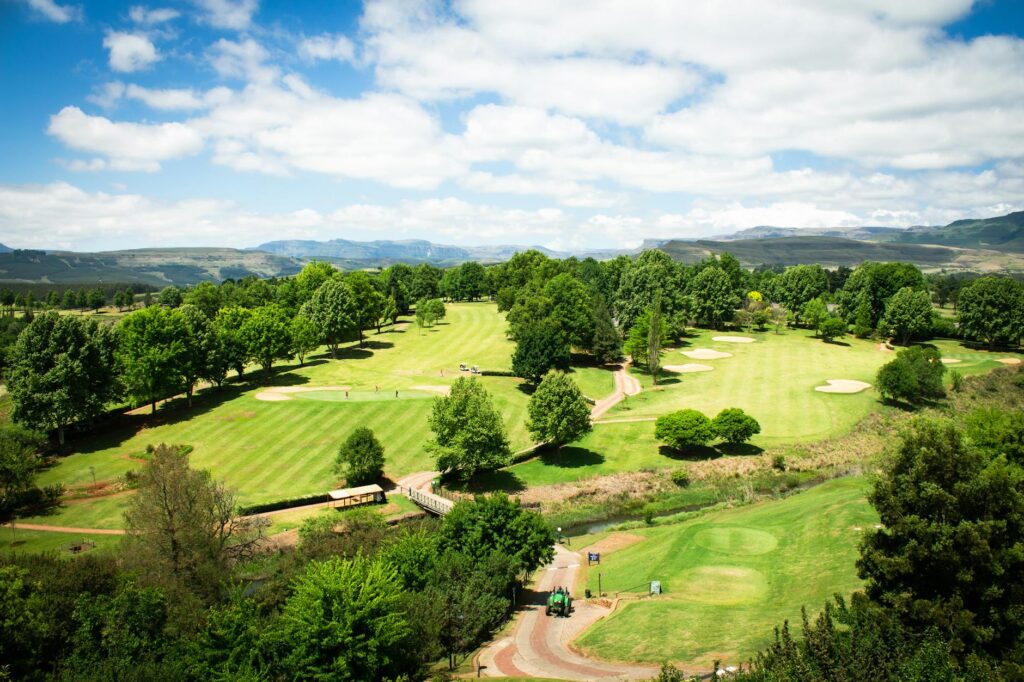
Understanding the nuances of high altitude golf ball flight can greatly enhance your game. As we’ve explored, the combination of reduced air density and lower humidity significantly affects golf ball distance at altitude, allowing players to achieve longer shots than they might at sea level. It’s fascinating how these variables can dramatically influence golf ball performance at elevation, making it crucial for golfers to adapt their strategies when playing in mountainous regions.
Next time you find yourself on a high-altitude course, take a moment to consider how the impact of altitude on golf can work in your favor. Adjusting your club selection and swing mechanics can lead to impressive improvements in your game. So, grab your clubs and head to the hills, you might just discover a new level of play that you never knew existed!
“`html
How does high altitude affect golf ball distance?
High altitude golf ball flight typically results in increased distance due to lower air density. At higher elevations, the thinner air provides less resistance, allowing golf balls to travel further compared to sea level. Players can expect to gain anywhere from 5 to 15% more distance, depending on the altitude and other conditions such as temperature and humidity.
What is the impact of altitude on golf performance?
The impact of altitude on golf performance is significant, as players may experience changes in their physical endurance and swing mechanics. Oxygen levels decrease at high elevations, which can lead to quicker fatigue. Additionally, the increased ball distance may require adjustments in club selection and strategy to optimize performance on the course.
Do golf balls fly differently at high elevation?
Yes, golf balls do fly differently at high elevation due to the reduced air resistance. This results in a higher launch and a flatter trajectory, contributing to longer distances. Players should be aware that the ball may also behave differently on the greens, as the lower moisture levels can affect how the ball rolls.
How can I adjust my swing for high altitude golfing?
To adjust your swing for high altitude golfing, consider making minor changes to your stance and swing speed. You may need to shorten your backswing to maintain control and avoid over-hitting. Additionally, practice with different club selections, as the increased distance can affect your yardage calculations and overall strategy on the course.
What type of golf balls are best for high altitude?
For high altitude golf ball flight, consider using balls designed for lower spin and higher compression. These types of balls can help maintain control and provide optimal distance in thinner air. Brands often offer models specifically engineered for increased performance at altitude, which can enhance your overall experience on the course.
Is there a significant difference in golf ball flight between sea level and high altitude?
Yes, there is a significant difference in golf ball flight between sea level and high altitude. At high elevations, the reduced air density leads to less drag, resulting in longer distances and altered trajectories. This difference can affect not only how far the ball travels but also how it behaves in flight and on the greens, making it crucial for players to adapt their approach.
“`