
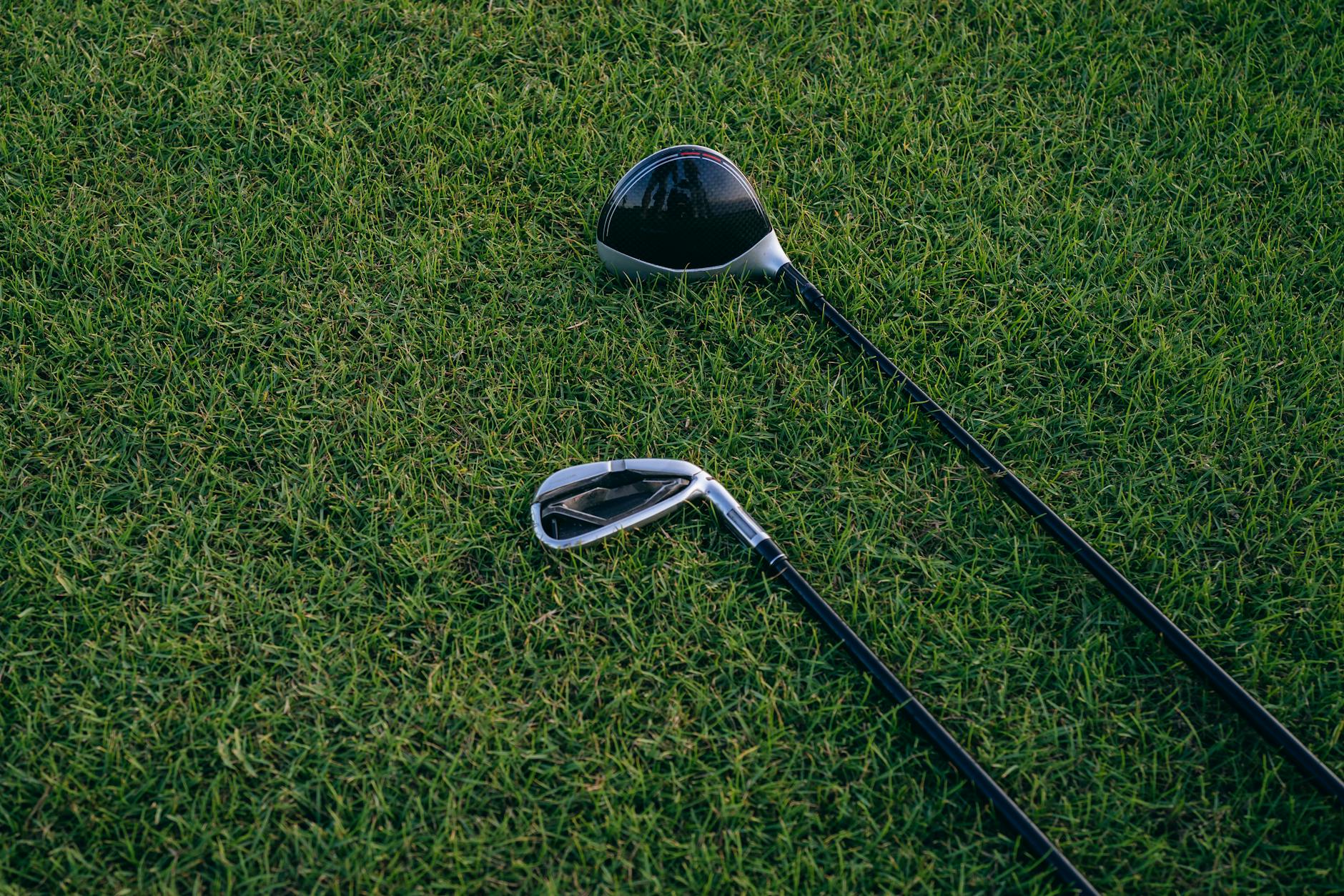
To maintain your golf driver and ensure it performs at its best, proper care is essential. A well-maintained driver not only enhances your game but also extends the life of golf clubs, saving you money in the long run. In this article, we will explore why you should maintain your golf driver, including essential golf club care tips that can help you keep your equipment in top shape. You’ll find a comprehensive driver maintenance guide that covers seasonal upkeep, common mistakes to avoid, and signs that indicate when it might be time to replace your golf driver. Whether you are a seasoned pro or a weekend warrior, following these guidelines will help you get the most out of your investment. So, let’s tee off with some practical tips to keep your golf driver in optimal condition!
Why You Should Maintain Your Golf Driver
Understanding the Importance of Driver Care
Maintaining your golf driver is essential for both performance and longevity. A well-cared-for driver can significantly enhance your game, allowing for greater accuracy and distance off the tee. According to GolfWRX, golfers can lose as much as 10 yards of distance with a poorly maintained driver. Regular maintenance helps ensure that your driver remains in optimal condition, reducing the likelihood of damage over time.

How Driver Condition Affects Performance
The condition of your driver directly impacts your overall performance on the course. A clean, well-maintained driver not only looks good but also performs better. Dirt and debris can affect the clubface’s interaction with the ball, leading to inconsistent strikes and subpar shots. A driver maintenance guide will often recommend cleaning your driver after each round, as well as checking for any signs of wear or damage. Research from the USGA emphasizes that proper equipment care can extend the life of golf clubs and enhance your performance significantly.
By implementing effective golf club care tips, such as regularly cleaning the face, inspecting the shaft, and checking the grip, you can maintain your golf driver and ensure it performs at its best. Remember, a little maintenance goes a long way in preserving not only your driver but your overall game as well.
Essential Golf Club Care Tips for Your Driver
Regular Cleaning Practices to Maintain Golf Driver
To keep your driver in optimal condition, regular cleaning is essential. After each round of golf, make it a habit to clean your driver. Dirt, grass, and debris can accumulate on the clubface, affecting your performance and the club’s longevity. Use a soft brush or a microfiber cloth and warm soapy water to gently scrub the clubface and the shaft. Avoid using harsh chemicals or abrasive materials, as these can scratch the surface and damage the finish.
For stubborn dirt, a tee or a soft toothbrush can help dislodge particles without harming the club. Ensure you rinse thoroughly and dry your driver completely before storing it. This simple practice is one of the best golf club care tips to extend the life of your clubs.
Proper Storage Techniques to Maintain Golf Driver
How you store your driver can significantly impact its lifespan. Always keep your driver in a protective headcover to shield it from dings and scratches. When your clubs are not in use, store them in a climate-controlled environment away from extreme temperatures and humidity, which can weaken the materials over time. A dedicated golf bag with individual compartments is ideal for organization and protection.
For further insights on best practices, refer to the driver maintenance guide, which provides detailed instructions on how to maintain golf driver and keep it performing at its best. Adopting these practices will not only enhance your game but also help you maximize your investment in your equipment.
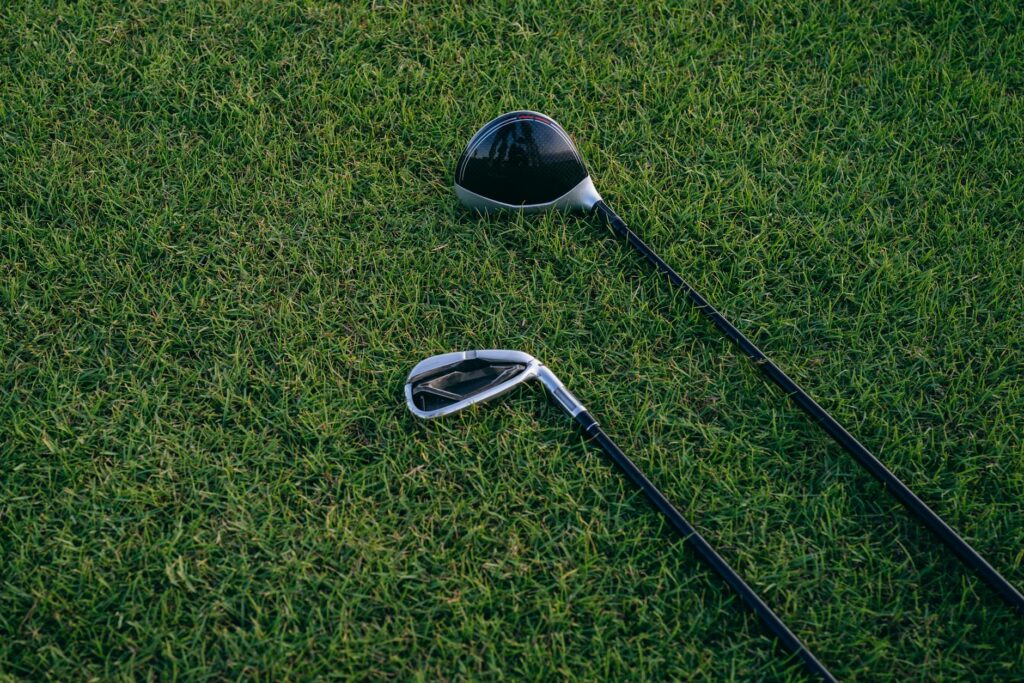
How to Maintain Your Golf Driver Throughout the Seasons
Seasonal Maintenance Checklist to Maintain Golf Driver
To ensure your golf driver performs at its best throughout the year, a seasonal maintenance checklist is crucial. Here’s a quick driver maintenance guide to help keep your club in optimal condition:
- Spring: Inspect the grip for wear and replace if necessary. Clean the clubhead with warm, soapy water to remove dirt and debris.
- Summer: Check for any signs of sun damage or fading. Store your driver in a cool, dry place to avoid warping.
- Fall: Assess the shaft for any dents or scratches. Perform a thorough cleaning to remove any grass or mud accumulated during play.
- Winter: Store your driver indoors in a climate-controlled space. Avoid using it in extremely cold weather, as this can affect the materials.
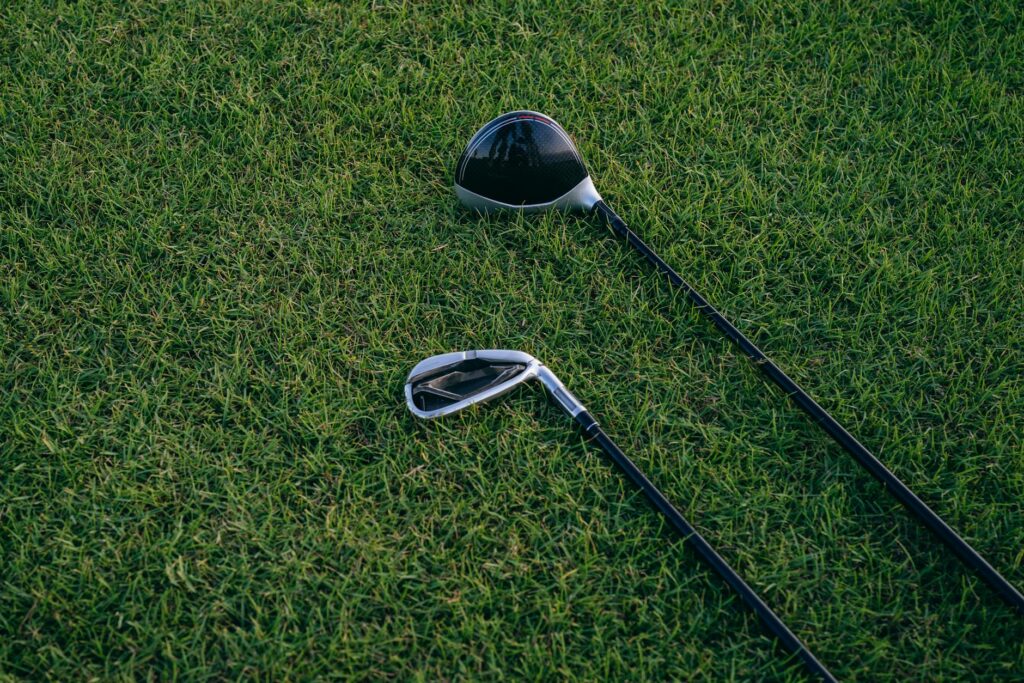
Adapting Care to Weather Conditions
Weather can significantly impact your driver’s performance and longevity. Here are some essential golf club care tips based on different conditions:
- Humid Conditions: Humidity can cause grips to become slippery. Consider using a towel to keep your hands and clubs dry. Regularly clean your driver to prevent moisture buildup.
- Rainy Weather: Water can seep into the clubhead. After playing in the rain, dry your driver thoroughly and store it in a dry area to prevent rust.
- Cold Temperatures: Cold weather can make materials brittle. Avoid leaving your driver in the trunk of your car and use headcovers to protect it from the cold.
By following these tips, you can effectively extend the life of your golf clubs and maintain your golf driver for optimal performance throughout the seasons. For more in-depth tips, check our The Benefits of Custom Fitting Your Golf Driver.
Common Mistakes in Driver Maintenance
Avoiding Improper Cleaning Methods to Maintain Your Golf Driver
One of the most common mistakes golfers make when trying to maintain golf driver longevity is using improper cleaning methods. Many enthusiasts resort to household cleaning agents or abrasive materials that can scratch or damage the club’s face and finish. Instead, it’s best to stick with warm soapy water and a soft brush designed for golf clubs.
Here are some actionable golf club care tips to ensure your driver stays in excellent condition:
- Use a soft-bristled brush or cloth to clean the clubhead after each round.
- Avoid using steel wool or any abrasive materials that can scratch the surface.
- Never soak your driver in water; instead, wipe it down gently.
By avoiding these improper cleaning methods, you can significantly extend the life of your golf clubs.
Recognizing Signs of Wear and Tear
Another critical area where golfers often fall short is in recognizing signs of wear and tear. Many players overlook minor nicks and scratches, thinking they won’t affect performance. However, even small damages can lead to larger issues over time, impacting your game.
To help you stay ahead of potential problems, refer to this simple driver maintenance guide:
- Check the face for any signs of cracking or deep scratches.
- Inspect the shaft for bends or breaks.
- Look for wear on the grip, which may need replacing to ensure optimal control.
By being proactive in recognizing these signs, you can take action before they become detrimental, allowing you to maintain golf driver performance over the long haul. Remember, regular checks will help you avoid costly replacements down the road.

When to Replace Your Golf Driver
Signs It’s Time for a New Driver
Understanding when to replace your golf driver can significantly impact your game. Look for these key signs:
- Visible Damage: Cracks, dents, or significant wear on the face or shaft indicate it’s time for a replacement.
- Loss of Distance: If you’re consistently hitting shorter than you used to, this could signal that your driver is no longer performing optimally.
- Inconsistent Performance: If your shots are becoming less predictable, a new driver might restore your confidence and consistency.
While maintaining your golf driver through regular care can extend its life, knowing when to replace it is equally essential. Regular inspections and using golf club care tips can help you identify these issues early.
Understanding Technology Upgrades and How to Maintain Your Golf Driver
Golf technology is constantly evolving, bringing improvements in materials and design. Newer drivers often feature:
- Adjustable Weights: Provide options for customizing your swing.
- Improved Aerodynamics: Enhance swing speed and stability.
- Advanced Face Technology: Increases ball speed and distance.
If your driver is several years old, consider comparing it to new models. A modern driver could dramatically enhance your performance. However, before making a purchase, consult a driver maintenance guide or a professional fitter to determine the best option for your game.
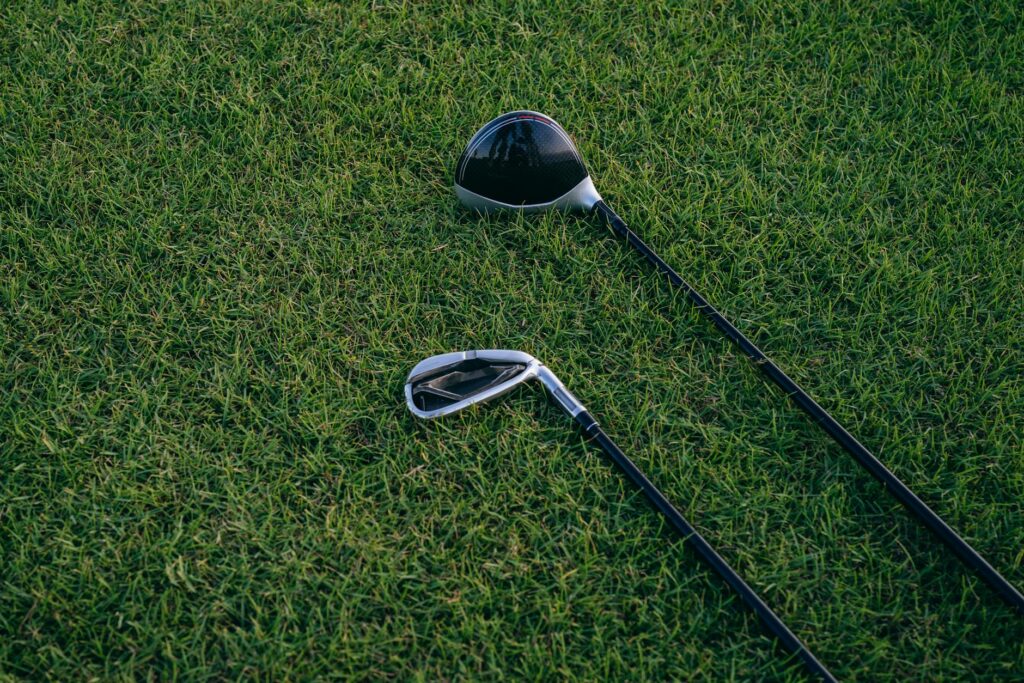
Wrap-Up: Keeping Your Golf Driver in Top Shape
Maintaining your golf driver is essential for not only prolonging its lifespan but also enhancing your overall performance on the course. Throughout this article, we’ve explored various golf club care tips that can help you keep your driver in peak condition. From regular cleaning to proper storage, each step plays a crucial role in driver maintenance.
How to Maintain Your Golf Driver for Longevity
One of the key takeaways is the importance of cleaning your driver after every round. Dirt and debris can accumulate and affect your shots, so a quick wipe down can make a significant difference. Additionally, checking for any signs of damage, such as scratches or dents, can help you catch potential issues early. This proactive approach is part of a comprehensive driver maintenance guide that golfers should follow.
Another essential aspect is to ensure that your driver is fitted correctly. An ill-fitted club can lead to inconsistent performance and may require replacements sooner than necessary. Regularly checking your grip and shaft for wear can also extend the life of your golf clubs.
Remember, taking these simple actions will help you maintain your golf driver and ultimately improve your game. So, go ahead and implement these tips to ensure that your driver remains a reliable companion on the course for years to come. As you follow these guidelines, you’ll find that not only does your driver last longer, but your overall enjoyment of the game increases as well.
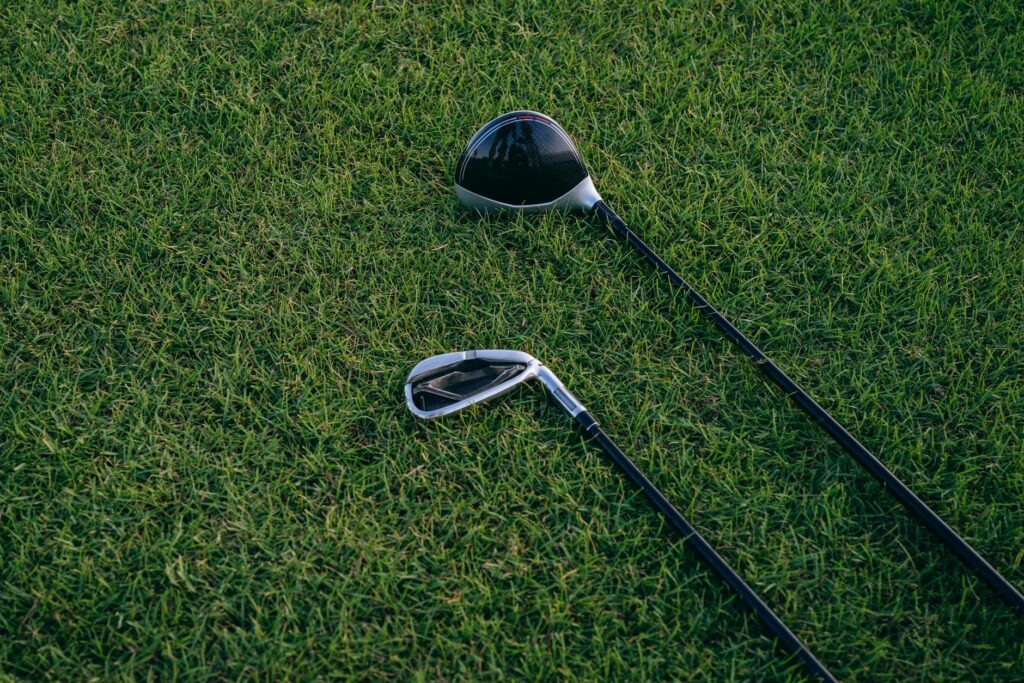
Regular maintenance is essential if you want to extend the life of your golf clubs, particularly your driver. By following a few simple golf club care tips, you can keep your equipment in top shape and enhance your performance on the course. This driver maintenance guide has covered the importance of cleaning, inspecting for damage, and proper storage, all of which contribute to maintaining your golf driver.
Now that you have the knowledge, take the time to implement these practices. Not only will they help you maintain your golf driver, but they will also ensure your entire set of clubs remains in optimal condition. Make it a habit to inspect your equipment regularly, and you’ll be rewarded with better gameplay and longer-lasting clubs. Start today and enjoy the benefits of well-maintained golf gear!
“`html
How often should I clean my golf driver?
You should clean your golf driver after every round of play or practice session. Regular cleaning helps remove dirt, grass, and debris that can affect your swing and shot accuracy. Use a soft brush to gently scrub the clubface and grooves, and a damp cloth to wipe the shaft and grip. This habit is essential for maintaining your golf driver in optimal condition, ensuring better performance over time.
What are the best practices for storing my golf driver?
To store your golf driver properly, keep it in a cool, dry place away from direct sunlight and extreme temperatures. Use a headcover to protect the clubhead from scratches and dings. Additionally, avoid leaving your driver in the trunk of your car for extended periods, as heat can damage the materials. Following these golf club care tips will help maintain your driver’s integrity and performance.
How can I tell if my driver needs to be replaced?
Look for signs of significant wear, such as a cracked or dented clubhead, a worn grip, or a loss of distance and accuracy in your shots. If your driver has lost its performance edge despite proper maintenance, it may be time to consider a replacement. Regular assessments of your golf clubs can help you determine when to upgrade and ensure that your equipment remains effective on the course.
What cleaning supplies are safe for my golf driver?
Use mild soap and water, along with a soft-bristled brush for cleaning your golf driver. Avoid harsh chemicals or abrasive materials that can scratch or damage the club. A microfiber cloth is ideal for drying and polishing your driver after cleaning. Ensuring you use the right supplies is crucial for maintaining your golf driver and extending its lifespan.
How can I extend the life of my golf clubs?
To extend the life of your golf clubs, including your driver, follow a routine of regular cleaning, proper storage, and periodic inspections for wear and damage. Use headcovers for your drivers and woods, and avoid hitting off hard surfaces that can cause dents. Additionally, consider having your clubs re-gripped when the grips wear down, as this can significantly improve your performance and club longevity.
What common mistakes should I avoid in golf club maintenance?
Avoid neglecting regular cleaning and storage of your golf clubs, as dirt and moisture can lead to corrosion and performance issues. Do not use harsh chemicals or abrasive materials when cleaning, as these can damage the club’s finish. Lastly, refrain from leaving your clubs in extreme temperatures, which can harm the materials. Following these driver maintenance guide practices will help you keep your clubs in top shape.
“`