
A good golf cooldown routine is just as important as your pre-round warm-up after a long day on the course. Stretching and focusing on muscle recovery can help ease soreness, lower the risk of injury, and improve your performance over time. A good cool-down routine should focus on the main muscle groups that you use when you swing a golf club and walk around the course.
Stretching to Get More Flexible
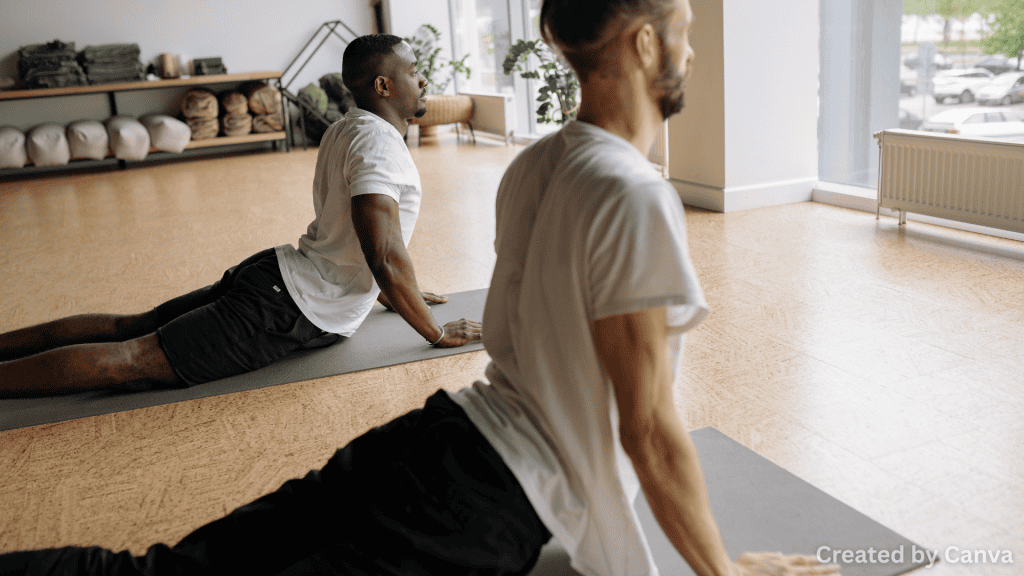
Stretching should be a part of any golf cooldown. Stretching makes you more flexible, which is important for a good swing. After a round, do some gentle static stretches for your hips, back, and shoulders. Stretching these areas can help you feel less stressed and give you more range of motion because they are often tense when you swing a golf club.
Begin by stretching your upper body. For instance, stretch both arms over your head and gently move them from side to side. Next, do some seated twists or standing forward bends to stretch out your back and hips. At the end, stretch your legs, especially your hamstrings and calves, so they don’t get tight and sore from walking.
Give Your Muscles a Break
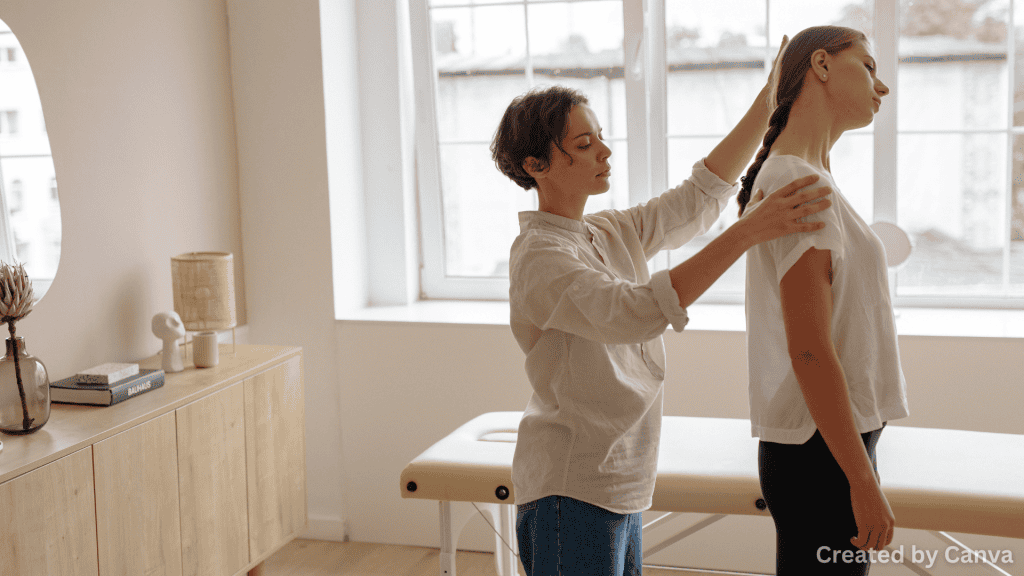
Letting your muscles rest is another important part of your cooldown. After a round, your muscles are probably tired, so it’s important to help them recover so you don’t get hurt. Foam rolling is a great way to relax tight muscles and get your blood moving better. Roll out your quads, hamstrings, and calves to relax your legs. Work on your back and shoulders to relax the muscles in your upper body.
It’s also important to drink a lot of water after your round to help your muscles recover. This helps your body work at its best by getting rid of toxins in your muscles.
Questions and Answers
How long should it take to cool down after playing golf?
A good cooldown routine should last between 10 and 15 minutes. This lets you stretch and work on important muscle groups without pushing yourself too hard after a round.
Do you really need to stretch after a round?
Yes, stretching is important for flexibility and helping muscles heal. By helping the body heal, it helps ease muscle stiffness, improve blood flow, and keep injuries from happening.
Does foam rolling help with sore muscles?
Of course! Foam rolling helps tired muscles get more blood, which helps them feel better and become more flexible.
Featured Image
Images are by Canva.com