

Welcome to your ultimate beginner golf guide, where we’ll help you tee off on your golfing journey! If you’re new to the game, you might be wondering about the essential golf basics, how to play golf, and the key golf rules to keep in mind. This guide is crafted especially for you, providing a step-by-step approach to understanding the sport. We’ll cover everything from selecting the right equipment and finding the best courses to play on, to mastering the fundamental skills that will improve your game. Whether you’re hitting the driving range or stepping onto the course for the first time, you’ll feel more confident with our tips and insights. Ready to swing into action? Let’s dive into the world of golf and make sure you have all the tools you need to enjoy this fantastic sport. For additional information about golf basics, check out the USGA or Golf.org for comprehensive resources!
Beginner Golf Guide: Getting Started with Golf Basics
Golf is more than just a game; it’s a sport that combines skill, strategy, and social interaction. Whether you’re looking to enjoy a peaceful day outdoors or engage in friendly competition, golf has something to offer everyone. This beginner golf guide will walk you through the essential golf basics you need to get started.
Understanding the Game: Golf Basics
Before you hit the greens, it’s important to familiarize yourself with some fundamental golf terminology. Here are a few key terms:
- Par: The number of strokes an expert golfer is expected to take to complete a hole or a round.
- Birdie: Completing a hole in one stroke under par.
- Bogey: Completing a hole in one stroke over par.
Understanding the different types of clubs is also crucial. Most beginners start with a set that includes:
- Driver: Used for long-distance shots off the tee.
- Irons: Versatile clubs for various distances.
- Putter: Designed for short, precise strokes on the green.
Knowing how to play golf also involves understanding the golf rules, which can be found in the official USGA rules. Familiarize yourself with basic etiquette, such as maintaining silence during a swing and allowing faster groups to play through.
Essential Gear for New Golfers
Choosing the right gear is vital for a comfortable and successful experience on the course. Here are some tips for beginners:
- Golf Clubs: Invest in a beginner’s set that includes a driver, a few irons, and a putter. Many brands offer affordable starter sets.
- Golf Shoes: Look for shoes with good grip and comfort. Spiked shoes can provide stability, while spikeless options offer versatility.
As you explore the world of golf, remember that practice is key. Consider visiting a local driving range to hone your skills, and don’t hesitate to seek lessons from a professional instructor. Engaging with fellow golfers can also enhance your learning experience. For more resources on golf basics and to keep improving, check out Dungeness Golf Tips: A Beginner’s Guide.

By grasping these golf basics and equipping yourself with the right gear, you’ll be well on your way to enjoying this timeless sport. Welcome to the world of golf!
The Objective of Golf
The aim of golf is straightforward: complete an 18-hole course by hitting a ball into a series of holes using as few strokes as possible. Each hole has a designated par, which is the number of strokes an expert golfer is expected to take to complete it. Your score is calculated based on how your strokes compare to par; for example, if you complete a hole in fewer strokes than par, you score a birdie, while exceeding par results in a bogey.
Understanding the golf rules is crucial for new players, as they govern how you play the game and ensure a fair competition. Familiarize yourself with terms like “teeing off,” “putting,” and “hazards” to enhance your grasp of the game.
How to Play Golf: Basic Techniques in this Beginner Golf Guide
Now that you know the objective, let’s dive into the golf basics of how to play golf effectively. Mastering your stance, grip, and swing forms the foundation for successful play.
- Stance: Stand with your feet shoulder-width apart. Distribute your weight evenly on both feet, and bend your knees slightly. This stable base helps maintain balance throughout your swing.
- Grip: Hold the club with both hands, placing your dominant hand (usually your right) at the bottom of the grip and your non-dominant hand above it. A common grip is the overlapping grip, where the pinky of your right hand rests on the index finger of your left hand.
- Swing: Start with a smooth takeaway, bringing the club back in a controlled motion. Shift your weight onto your back foot, then transition to your front foot as you swing through the ball. Follow through for better accuracy and power.
To practice, consider hitting balls at a driving range, focusing on one aspect of your swing each time. Remember, repetition is key to improvement!

By following this beginner golf guide, you’ll be well on your way to enjoying the game and developing your skills. The more you practice, the more comfortable you’ll become with the golf basics, allowing you to better navigate the course and enjoy your golfing experience.
Golf Rules: Your Guide to Playing Fairly
Understanding the golf rules is essential for any beginner looking to enjoy the game and play fairly. This section of our beginner golf guide will break down the basics of scoring, penalties, and the etiquette you should follow while on the course.
Basic Golf Rules Every Beginner Should Know
When you first learn how to play golf, familiarizing yourself with the fundamental rules is crucial. Here are some of the most important rules every beginner should follow:
- Scoring: Golf is played over a series of holes, with each hole having a par score. Your goal is to complete the course in as few strokes as possible. Keep track of your score and ensure you accurately record the number of strokes taken.
- Penalties: Penalties can arise from various situations, such as hitting the ball out of bounds or into a water hazard. Understanding how these penalties work can prevent frustration during your game. For example, if you hit your ball into a water hazard, you typically incur a one-stroke penalty and must drop a new ball behind the hazard.
- Order of Play: The player with the lowest score on the previous hole tees off first. Remember to let faster groups play through if you’re holding them up.
Etiquette on the Course: A Key Component of Your Beginner Golf Guide
Golf is as much about etiquette as it is about the rules. Proper behavior ensures everyone has a positive experience on the course. Here are some essential etiquette tips:
- Pace of Play: Always be ready for your turn and keep the game moving. If you’re playing slowly, allow faster groups to play through.
- Respecting Others: Stay quiet and avoid distractions when others are taking their shots. This shows respect for their game and helps maintain focus.
- Care for the Course: Repair any divots or ball marks you create and rake bunkers after use. A well-maintained course benefits everyone.
By following these basic golf rules and practicing good etiquette, you will not only improve your game but also enhance the experience for everyone around you. Embrace the spirit of sportsmanship as you embark on your golfing journey!

Where to Play: Finding the Right Course
Choosing the right golf course is a crucial step for beginners eager to learn the golf basics. With a variety of options available, understanding the differences can help you find a course that fits your skill level and playing style.
Types of Golf Courses
Golf courses come in several types, each catering to different player needs:
- Public Courses: These are open to everyone and typically have lower green fees, making them ideal for beginners. They often feature more forgiving layouts, perfect for those just starting to learn how to play golf.
- Private Courses: These require a membership or invitation. While they can be more exclusive, they often provide a more refined experience. However, they might not be the best choice for beginners due to higher costs and more challenging layouts.
- Driving Ranges: These facilities are perfect for practicing your swing without the pressures of a full course. Many driving ranges also offer lessons, making them a great starting point for new players.
How to Choose a Course for Beginners
When selecting a course, consider the following tips:
- Look for Beginner-Friendly Options: Seek out courses that are known for their welcoming atmosphere and less challenging holes. Many public courses have specific tees for beginners, which can help you ease into the game.
- Check Reviews: Online reviews can give you insights into the course’s condition, friendliness of the staff, and overall experience. Websites like Golf Advisor provide valuable information from other players.
- Book Tee Times: Many courses allow you to book tee times online, which can save you from long waits. Make sure to check the course’s policies on booking and cancellations.
- Prepare for Your Round: Familiarize yourself with basic golf rules and etiquette before hitting the course. This not only helps you play better but also ensures you respect fellow golfers.
By following this beginner golf guide, you can find the right course that enhances your learning experience and boosts your confidence on the greens.
Next Steps: Improving Your Game
Finding Lessons and Coaching in Your Beginner Golf Journey
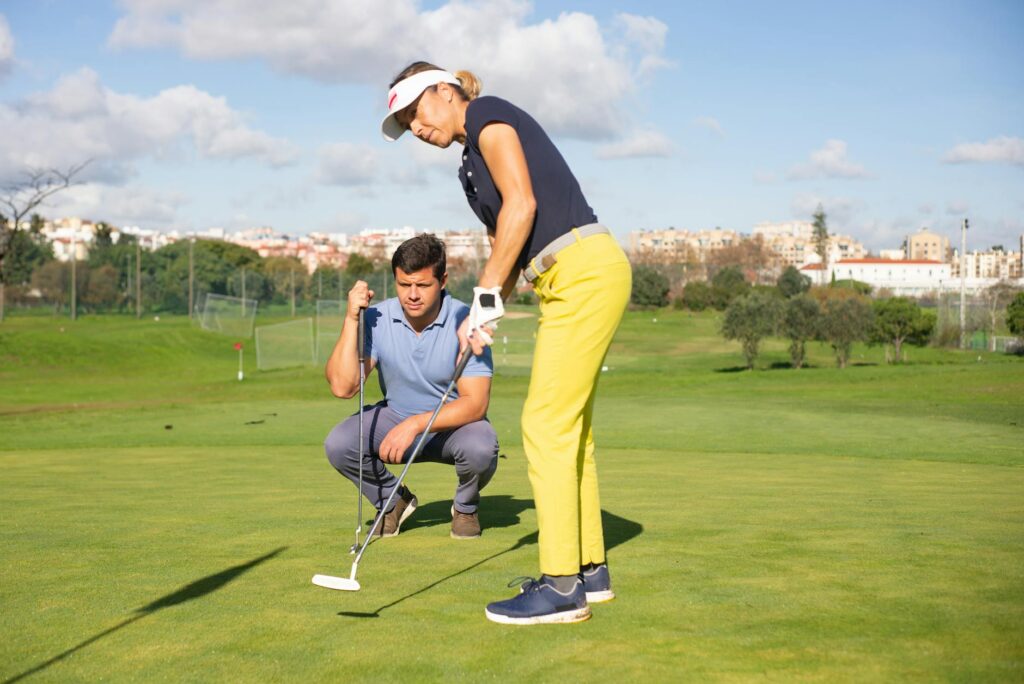
As you embark on your golfing adventure, getting professional lessons can be a game changer. Whether you’re new to the sport or have a bit of experience, personalized coaching can help you grasp golf basics and refine your skills. Many local golf clubs offer lessons and clinics tailored for beginners, providing a structured way to learn essential techniques. Look for a certified instructor with experience teaching beginners to ensure you get the best guidance.
Online resources are also abundant. Websites and apps like Golf Channel Academy and YouTube channels dedicated to golf tutorials can help you learn how to play golf at your own pace. Consider joining online forums or social media groups focused on beginner golfers; these communities can offer tips, share experiences, and even help you find local coaching options.
Joining a Golf Community: A Key Element of Your Beginner Golf Guide
One of the most beneficial steps you can take to improve your game is to join a golf community. Becoming a member of a local golf club or participating in community golf events can provide you with vital support and practice opportunities. Not only will you meet fellow beginners, but you’ll also likely find more experienced players who are willing to share their knowledge of golf rules and techniques.
Many clubs offer leagues or group lessons, which are a great way to practice in a relaxed environment. Additionally, participating in club events can enhance your social network and boost your confidence on the course. Look for clubs that have a welcoming atmosphere for beginners, as this will make your learning experience more enjoyable.
Improving your golf game is an ongoing process, and taking these steps can significantly enrich your journey. You’ll be surprised at how quickly you can progress with the right support and resources.

As you step onto the course with your newfound knowledge from this beginner golf guide, remember that practice is key to mastering the golf basics. Familiarize yourself with the fundamental skills and the essential golf rules that govern the game. Each swing, putt, and approach shot will build your confidence and enhance your enjoyment. The more you play, the more comfortable you will become with how to play golf, transforming those initial nerves into excitement.
So, grab your clubs and head to the driving range or local course to put your learning into action. Engage with fellow players, ask questions, and don’t hesitate to seek tips from more experienced golfers. Embrace the journey, as every round is an opportunity for improvement. With this beginner golf guide in hand, you’re well-equipped to embark on your golfing adventure. Happy golfing!
“`html
What are the basic golf rules for beginners?
For beginners, understanding the basic golf rules is essential to enjoy the game. Key rules include playing the ball as it lies, not moving it unless specified, and ensuring you take turns based on who is farthest from the hole. Familiarize yourself with terms like “par,” “birdie,” and “bogey.” Additionally, respecting the pace of play and other players is crucial. A solid beginner golf guide will help you navigate these rules effectively and enhance your golfing experience.
How do I choose the right golf clubs?
Selecting the right golf clubs is vital for new players. Start with a basic set that includes a driver, a few irons, and a putter. Consider your height and swing speed when choosing club length and flex. If possible, visit a local pro shop to get fitted or try different clubs. Many golf courses offer rental clubs for beginners, which can help you determine what feels comfortable before investing in your own set.
What should I wear for my first round of golf?
When dressing for your first round of golf, prioritize comfort and adherence to dress codes that some courses may enforce. Typically, collared shirts and tailored shorts or slacks are acceptable. Choose breathable fabrics and wear comfortable, supportive golf shoes to aid your swing. A visor or cap can help shield your eyes from the sun. Always check the specific dress code of the golf course you will be playing at before your visit.
How do I keep score in golf?
Keeping score in golf involves tracking the number of strokes taken to complete each hole. Each player’s score is recorded on a scorecard, which lists the par for each hole. To calculate a player’s total score, simply add the strokes taken on each hole. Beginners often use a simple stroke play format, where the player with the lowest total score wins. Familiarizing yourself with golf scorekeeping will make the game more enjoyable.
What are some tips for a beginner golfer?
As a beginner golfer, focus on the basics such as grip, stance, and swing technique. Start with lessons from a professional to build a solid foundation. Practice regularly at a driving range to improve your skills. Also, pay attention to the course layout and learn how to read greens. Staying patient and maintaining a positive attitude will help you enjoy the learning process. A beginner golf guide can provide additional insights and resources.
How long does it take to learn how to play golf?
The time it takes to learn how to play golf varies by individual. Typically, beginners can expect to become comfortable with the basics within a few months of regular practice. However, mastering the game can take years, as it requires continuous improvement and experience. Focus on enjoying the process rather than rushing to achieve proficiency. Joining a golf community or taking lessons can provide encouragement and accelerate your learning journey.
“`