

A conversation, not a swing change, or a golf lesson is the first thing you should do when you want to learn how to play golf. A good coach will ask you what you want to get better at, what you have trouble with on the course, and how your ball usually flies. You can talk about how long you’ve been playing golf, any injuries you’ve had, and how often you practice. After that, you’ll hit a few shots so the teacher can see how you naturally move. This baseline is important because the best professional golf lessons are the ones that fit your current skills and your real playing goals.
What the coach is looking for in the swing assessment
Next is the swing assessment, in which your teacher watches how you set up, how fast you swing, and how you hit the ball. Ball flight analysis is a common tool for coaches to use to link what the club is doing to what the ball is doing. This is because the ball gives honest feedback. You might be asked to hit different clubs or do a certain type of shot again. Some sessions include video or launch data, but even without technology, the coach will look for consistent checkpoints like grip and posture, alignment, and how your weight moves through the strike. A lot of the time, golf instructor tips only cover one or two things, not a long list.

Simple changes, clear feelings, and a way to get feedback
During the teaching part, you should expect small changes with feedback right away. The coach might change your grip, stance width, or ball position first because those are easy changes that affect contact. Most of the time, you’ll only work with one cue or feeling at a time, like finishing in balance or starting the downswing smoothly. Professional golf lessons focus less on getting the perfect stance and more on getting the same results every time. If something doesn’t work, the teacher will change it up and use drills that help you fix your own mistakes.
A practice plan that you can really follow
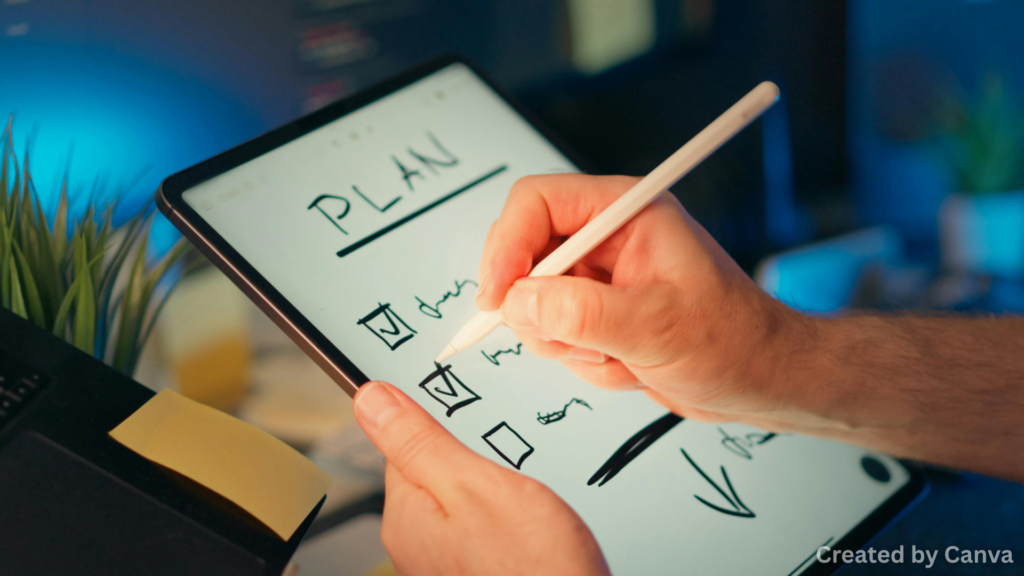
A good lesson ends with a plan for practice that works with your schedule. What to practice, how long to spend on each drill, and how to track progress should all be part of your golf lesson expectations. You can leave with one main swing focus and one backup reminder for when things go wrong. Ask how the change should affect the flight of the ball; this will help you at the range. The goal is to be clear so you know what to do between lessons.
Questions and Answers
Should I be worried about taking a lesson?
No. Most teachers will understand if you feel awkward at first and will make sure the session is helpful and supportive.
How many times do the swings change in a lesson?
Usually one main change and one piece that goes along with it. Too many changes can make things worse.
Is there anything I need to bring?
Bring your clubs, a glove, and any notes you have about common mistakes. Put on clothes and shoes that are comfortable.
When will I see results?
A lot of golfers notice that their contact gets better right away, but it takes consistent practice of the assigned drills to see long-term improvement.
Featured Image
Images are by Canva.com
Read more about: How to Pick the Right Golf Driver for Your Swing Style