

To truly enjoy your time on the greens, it’s essential to prepare for high altitude golfing. Golfing at elevated elevations can present unique challenges, from thinner air to unpredictable weather conditions. Understanding how to navigate these factors is crucial for both your performance and enjoyment of the game. In this article, we will explore why preparation matters and how it impacts your overall experience. We’ll delve into essential aspects, including physical training for altitude golf, focusing on your golf fitness altitude, nutrition and hydration strategies, and mental preparation techniques to ensure you’re ready to tackle the course. Plus, we’ll provide you with final tips to enhance your golf health preparation. Whether you’re a seasoned pro or a weekend warrior, these insights will help you make the most of your high-altitude golfing adventures. Ready to tee off? Let’s dive into how you can elevate your game to new heights!
Preparing for High Altitude Golfing: Why It Matters
Understanding High Altitude Effects on Golf
Golfing at high altitudes presents unique challenges that every golfer should be aware of. The most notable effect is the reduced oxygen levels, which can significantly impact your performance. At elevations above 5,000 feet, the air contains less oxygen, making it harder to breathe and maintain energy levels. This can lead to quicker fatigue, decreased focus, and even headaches, all of which can affect your game. According to the National Institutes of Health, individuals may experience symptoms of altitude sickness, which can further hinder your ability to play your best.
To prepare for high altitude golfing, it’s crucial to acclimatize your body beforehand. Engaging in training for altitude golf can help your body adjust to these conditions, improving your performance and stamina on the course. This preparation is not just about physical fitness; it also involves understanding how high altitude affects your swing and shot accuracy due to lower air density.
The Importance of Golf Health Preparation
The key to successful high altitude golfing lies in proper golf health preparation. Maintaining your stamina and focus during a game is essential for optimal performance. Incorporate exercises that enhance your golf fitness altitude by focusing on cardiovascular health and strength training. Activities like running, cycling, or even hiking can boost your endurance, making it easier to handle the demands of elevated courses.
Moreover, staying hydrated is vital at high altitudes. The dry air at these elevations can lead to dehydration, which can impair your physical and mental functions. Make it a point to drink plenty of water before and during your rounds to keep your body well-hydrated.
By taking the time to prepare for high altitude golfing, you not only enhance your game but also ensure a more enjoyable experience on the course. So, lace up those golf shoes and start your preparation today!

Physical Training for Altitude Golf
Preparing for high altitude golfing requires a dedicated approach to physical training. Elevation changes not only affect your swing but also your overall stamina and performance. Here are key components of physical training to help you adapt and excel on high-altitude courses.
Building Endurance for High Altitude Golfing
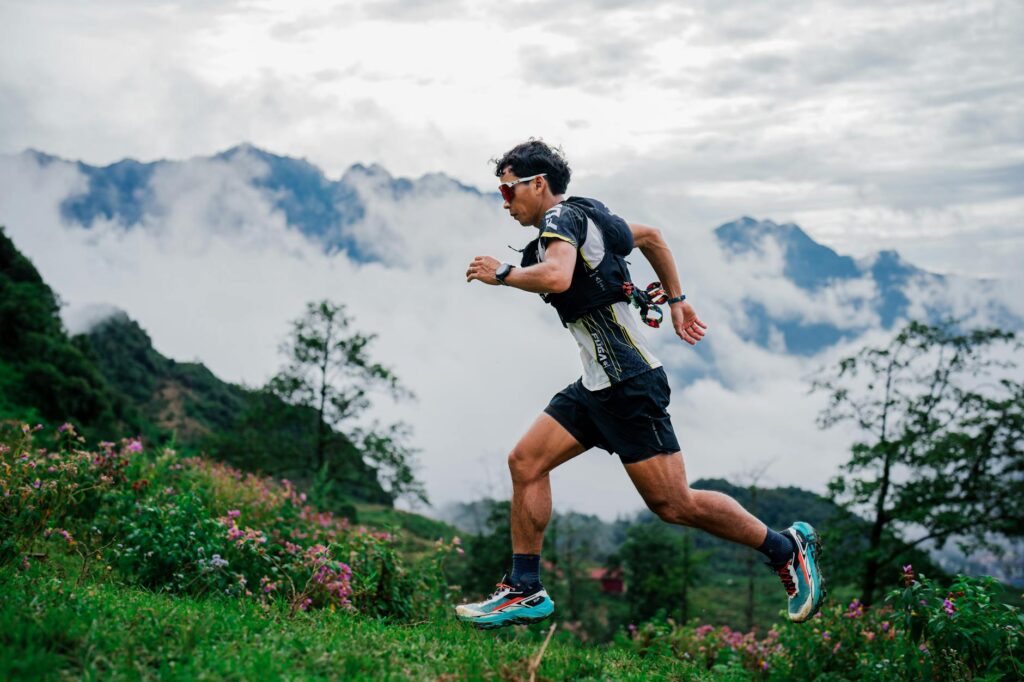
Endurance is crucial when golfing at altitude, where thinner air can lead to quicker fatigue. To build your stamina, incorporate cardiovascular exercises into your routine. Aim for at least 30 minutes of aerobic activities such as:
- Running or jogging
- Cycling
- Swimming
- Rowing
Consider adding interval training to boost your endurance. This involves alternating between high-intensity bursts and lower-intensity recovery periods. For example, sprint for 30 seconds, then walk for one minute, repeating several times. This method mimics the stop-and-go nature of golfing while enhancing your overall fitness.
As part of your golf health preparation, try to simulate altitude conditions by training in higher elevations if possible. This acclimatization can help your body adjust more effectively to the lower oxygen levels you’ll encounter on the course.
Strength Training with a Focus on Golf Fitness Altitude
In addition to endurance, strength training is essential for golf fitness altitude. A strong core and upper body will enhance your swing and stability. Focus on exercises that target these areas, including:
- Deadlifts
- Squats
- Planks
- Medicine ball throws
Incorporate resistance bands or weights to add intensity to your workouts. Aim for two to three strength training sessions per week, ensuring you allow for recovery between workouts. This approach not only builds muscle but also improves your power and control during swings.
By combining endurance and strength training, you will better prepare for high altitude golfing, ultimately enhancing your performance on the course. Remember to listen to your body and adjust your training based on your individual needs. If you’re looking for more insights on golf fitness, make sure to check Understanding the Physics of Golf at High Altitude.
Nutrition and Hydration for High Altitude Golf
Preparing for High Altitude Golfing: Dietary Tips for Optimal Performance
When you prepare for high altitude golfing, nutrition plays a critical role in your performance. At high altitudes, your body requires more energy and better fuel to combat the thinner air and potential altitude sickness. Focus on a balanced diet rich in carbohydrates, proteins, and healthy fats to sustain your energy levels throughout the game.
Incorporate foods that are high in complex carbohydrates like whole grains, fruits, and vegetables. These provide a steady energy release, essential for maintaining stamina on the course. Lean proteins, such as chicken, fish, and legumes, support muscle recovery and growth. Additionally, healthy fats from sources like avocados and nuts help to keep you feeling full and energized.
Consider including foods rich in antioxidants, such as berries and leafy greens, to combat oxidative stress caused by high altitude. This supportive eating strategy not only aids in golf health preparation but also enhances overall performance. Planning your meals ahead can ensure you stay fueled and ready for the challenges of altitude golf.

Staying Hydrated: A Key to Success
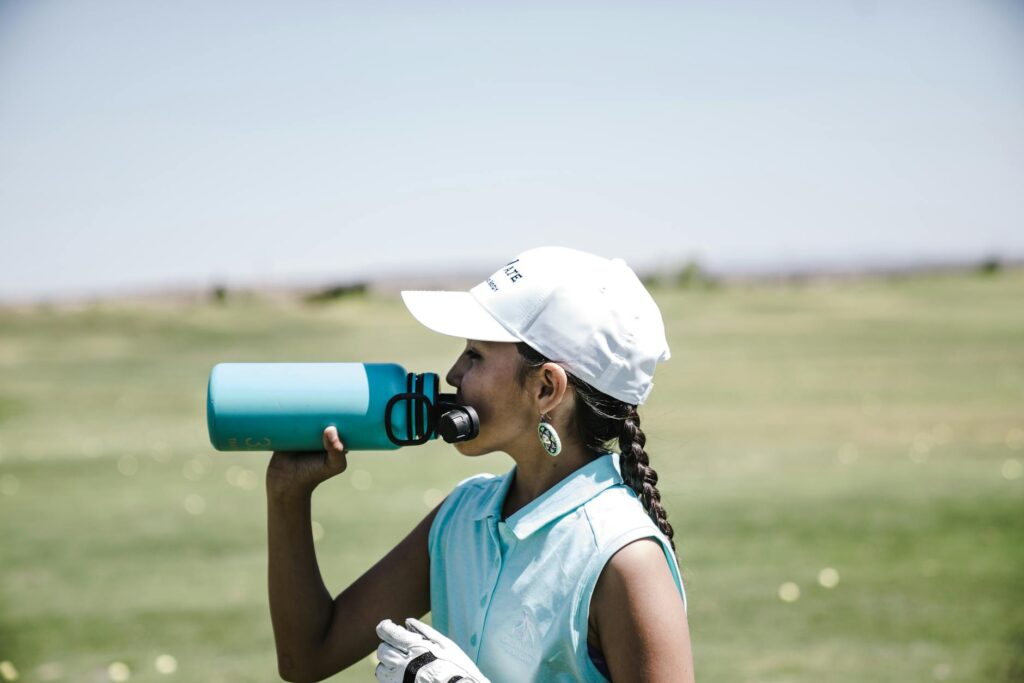
Hydration is another vital aspect of your training for altitude golf. At higher elevations, the air is drier, and you may not realize how much water your body loses. Dehydration can lead to fatigue, reduced concentration, and impaired physical performance. Aim to drink at least half your body weight in ounces of water daily, and consider increasing your intake as you prepare for high altitude golfing.
To optimize hydration, consume electrolyte-rich beverages, especially if you are playing for extended periods. Coconut water or sports drinks can help replenish lost minerals and keep your energy levels stable. Eating hydrating foods, such as watermelon and cucumbers, can further contribute to your fluid intake.
Remember to hydrate before, during, and after your rounds. Keeping a water bottle handy on the course can serve as a reminder to drink regularly. By focusing on proper nutrition and hydration, you set yourself up for success on the golf course, ensuring you perform at your best even in challenging conditions.
Embrace these golf fitness altitude strategies to enhance your playing experience and enjoy a successful round at high altitudes.
Mental Preparation for High Altitude Golfing
Developing Mental Resilience
When you prepare for high altitude golfing, mental resilience becomes just as important as physical conditioning. At higher elevations, the challenges can be more than just physical; the thinner air can lead to increased fatigue and altered focus. Developing mental toughness can help you overcome these hurdles. One effective strategy is to practice mindfulness techniques, such as meditation or breathing exercises, to stay centered during your game. This not only enhances your focus but also helps in managing stress levels effectively.
Another aspect of mental resilience is embracing a positive mindset. Remind yourself that you’ve trained for altitude golf and that you can handle the challenges of high altitude courses. Reflecting on past successes can also boost your confidence. Consider keeping a journal to document your training for altitude golf, noting both achievements and areas for improvement. This can serve as a useful tool for self-reflection and motivation.
Visualization Techniques for Success: Prepare for High Altitude Golfing
Visualization is a powerful tool that can significantly enhance your performance when golfing at high altitudes. By mentally rehearsing your shots and the overall flow of the game, you create a mental blueprint that can help reduce anxiety and improve focus. Spend a few minutes each day visualizing yourself successfully navigating challenging holes, considering how you’ll manage different elements like wind and elevation.
During your visualization sessions, include specific elements related to golf health preparation, such as staying hydrated and pacing yourself throughout the round. Picture yourself executing each swing with precision, feeling confident and in control. This mental rehearsal can prepare you for the realities of high altitude golfing, allowing you to approach each round with a calm and focused mind.
Staying mentally prepared is crucial for success on challenging courses. By developing your mental resilience and utilizing visualization techniques, you will be better equipped to face the unique challenges that high altitude golfing presents. Don’t forget to hydrate and focus on your golf fitness altitude to ensure your body is ready as well.
Final Tips for Preparing for High Altitude Golfing
Successfully navigating the challenges of high altitude golfing requires thoughtful preparation. By creating a personalized plan and adjusting to elevation changes, you can enhance your performance and enjoyment on the course.
Creating a Personal Training Plan
To prepare for high altitude golfing, it’s crucial to develop a training regimen tailored to your specific needs. This plan should consider your current fitness level, the altitude you’ll be playing at, and the duration of your stay. Incorporate golf fitness altitude exercises that focus on stamina and strength, ensuring you build endurance without overexerting yourself. Aerobic exercises like running or cycling, along with weight training, can help enhance your cardiovascular capacity, which is essential when playing in thinner air. Aim to train at least three times a week, gradually increasing the intensity as your body adapts.
Additionally, consider incorporating training for altitude golf techniques, such as interval training and hill workouts, to simulate the conditions you’ll face. This approach not only prepares your body physiologically but also builds mental resilience, crucial for peak performance.
Adjusting to Elevation Changes
Once you arrive at your destination, give yourself time to acclimatize to the elevation changes. Ideally, spend a few days at a moderate altitude before heading to the golf course. This gradual adjustment can help mitigate symptoms of altitude sickness and enhance your overall golf health preparation. Engage in light activities, such as walking or stretching, to allow your body to adapt without overexertion.
Staying hydrated is another key aspect of acclimatization. The lower air pressure at high altitudes can lead to increased fluid loss, so make sure to drink plenty of water before, during, and after your rounds. Consider electrolyte drinks to replenish lost minerals, ensuring you maintain optimal performance.
Ultimately, preparing for high altitude golfing involves a combination of physical training and acclimatization strategies. By following these tips and creating a personalized plan, you can tackle the challenges of altitude with confidence and enjoy your time on the course.
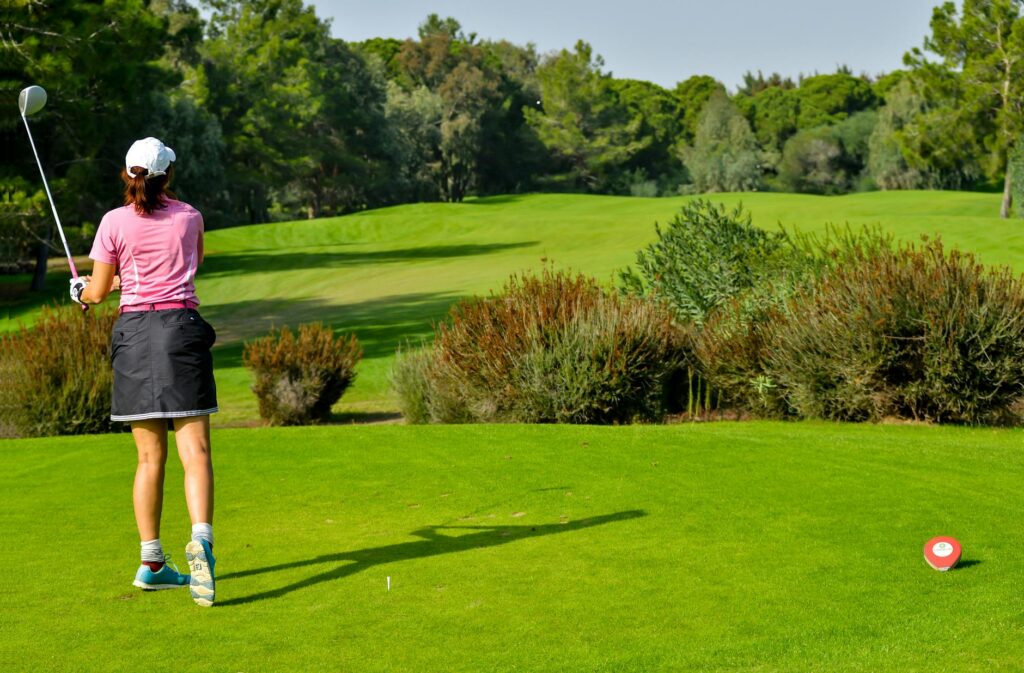
Preparing for high altitude golfing involves more than just packing your clubs and heading to the mountains. Emphasizing golf fitness altitude through tailored exercises can significantly enhance your performance on the course. Don’t overlook the importance of training for altitude golf, as it helps your body adapt to the lower oxygen levels, allowing you to maintain your energy and focus throughout your game.
As you embark on your journey to high altitude golfing, prioritize your golf health preparation by staying hydrated and pacing yourself on the course. Each swing will feel different, and understanding your body’s responses to the altitude is key. Start incorporating these strategies into your routine today, and you’ll find yourself not only ready for the challenges of elevation but also enjoying the breathtaking views and unique experiences that come with it.
What are the effects of high altitude on golfing?
High altitude can significantly affect golfing performance due to reduced oxygen levels. This can lead to quicker fatigue, decreased stamina, and altered ball flight. Golfers may find they need to adjust their swings and putting techniques, as the thinner air can affect distance and trajectory. Additionally, high altitude can lead to altitude sickness, making it essential to prepare for high altitude golfing by acclimatizing before playing.
How can I improve my fitness for altitude golf?
To improve your fitness for altitude golf, focus on enhancing your cardiovascular endurance and strength training. Activities like running, cycling, or swimming can help boost your aerobic capacity. Incorporating high-intensity interval training (HIIT) can also prepare your body for the exertion of golfing at altitude. Additionally, practicing specific golf fitness altitude drills, such as resistance training and flexibility exercises, can improve your overall performance on the course.
What should I eat before golfing at high altitude?
Before golfing at high altitude, it is crucial to consume a balanced meal rich in carbohydrates, lean proteins, and healthy fats. Foods like whole grains, fruits, lean meats, and nuts can provide sustained energy. Consider eating a meal that is low in fat and fiber to avoid digestive issues. Staying hydrated is also important, so include fluids in your meal or as part of your pre-golf routine to maintain optimal hydration levels.
How do I stay hydrated while golfing at elevation?
To stay hydrated while golfing at elevation, drink water regularly throughout your round, aiming for at least 8 ounces every 15-20 minutes. Consider using electrolyte-replenishing drinks, which can help maintain your hydration levels, especially in higher altitudes where dehydration can occur more rapidly. Pay attention to your body’s signals, such as thirst or dry mouth, to ensure you’re adequately hydrated during your game.
What mental strategies can help with high altitude golfing?
Mental strategies are essential for high altitude golfing. Focus on breathing techniques to help manage anxiety and maintain composure. Visualization can be a powerful tool; picture successful shots and positive outcomes. Additionally, setting realistic goals for each round can help keep you motivated and reduce pressure. Practicing mindfulness and staying present during your game can also enhance your focus and performance at elevation.
How can I prepare my body for a high altitude golf trip?
To prepare your body for a high altitude golf trip, start by gradually acclimatizing at lower altitudes before your trip. Engage in aerobic exercises to improve your cardiovascular health, and consider practicing golf fitness altitude drills. Staying hydrated before and during your trip is crucial. Also, consult with a healthcare professional regarding any necessary preparations or medications to mitigate the effects of altitude sickness during your golfing experience.