
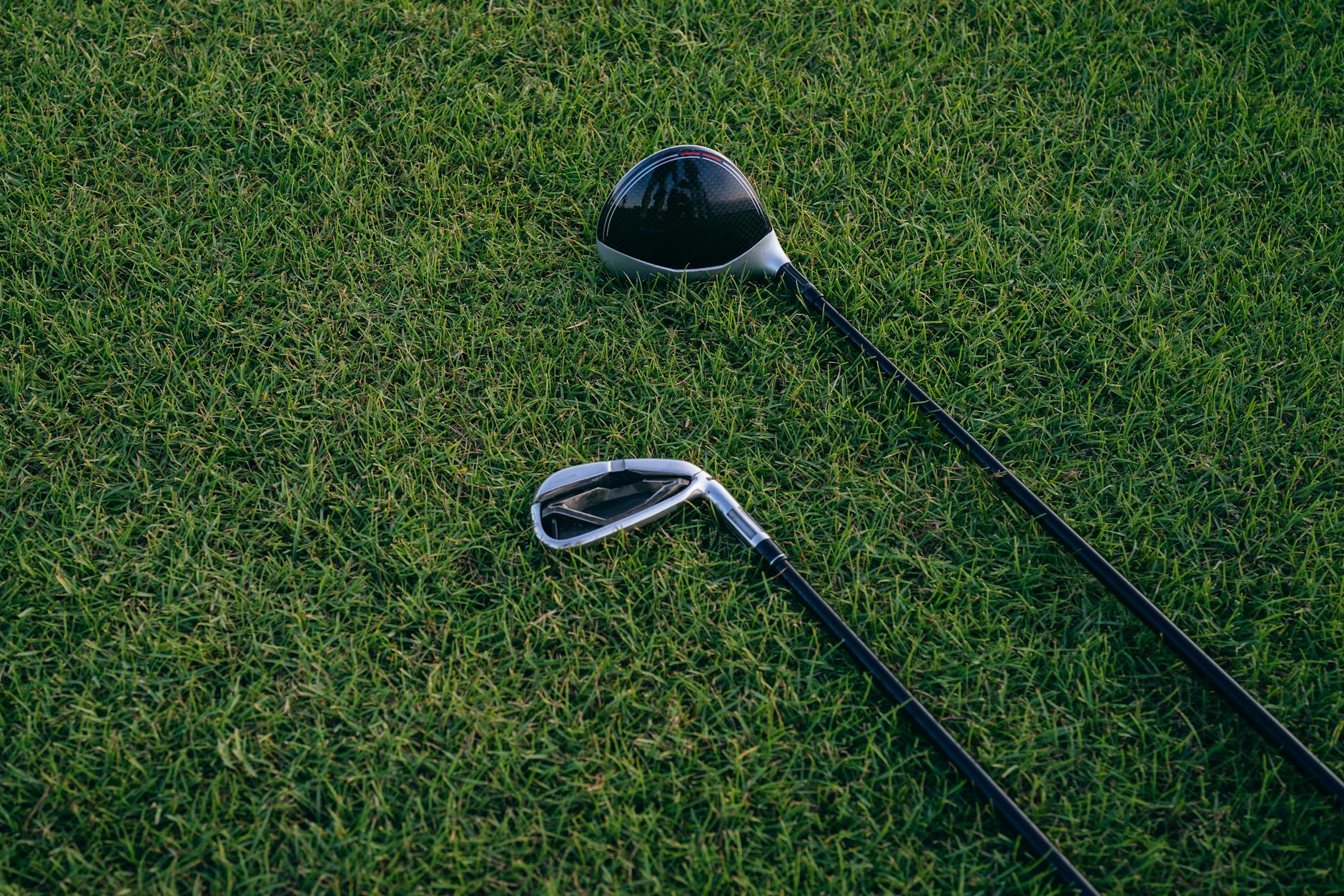
When it comes to golf, avoiding common golf driver mistakes beginners often sets the stage for success on the course. Many new players struggle with their drivers, and understanding these pitfalls can significantly enhance their performance. This article will outline five critical mistakes that beginners frequently make, offering essential beginner golf tips to help you improve your golf game. We will discuss the importance of clubhead size and shape, highlight the significance of grip size, and explain why focusing solely on price can lead to regret. Additionally, we will touch on the value of custom fitting and why neglecting this aspect can hinder your progress. Armed with this golf driver advice, you’ll be better equipped to tackle the greens with confidence and skill. Let’s dive into these common blunders and learn how to avoid them for a more enjoyable and effective golfing experience.
5 Common Golf Driver Mistakes Beginners Make
Not Understanding Loft and Angle
One of the most frequent golf driver mistakes beginners make is not considering the significance of loft and angle when selecting a driver. The loft of a driver affects the trajectory and distance of your shots. A higher loft can help beginners achieve a higher launch angle, which is crucial for getting the ball airborne more easily. For most beginners, a loft between 10 and 12 degrees is recommended to maximize distance and improve accuracy.
Understanding angle also ties back to how the clubface interacts with the ball at impact. An incorrect angle can lead to slices or hooks, resulting in inconsistent performance. Take the time to test different lofts at a local golf shop or driving range to see what works best for your swing style.
Choosing the Wrong Shaft Flex
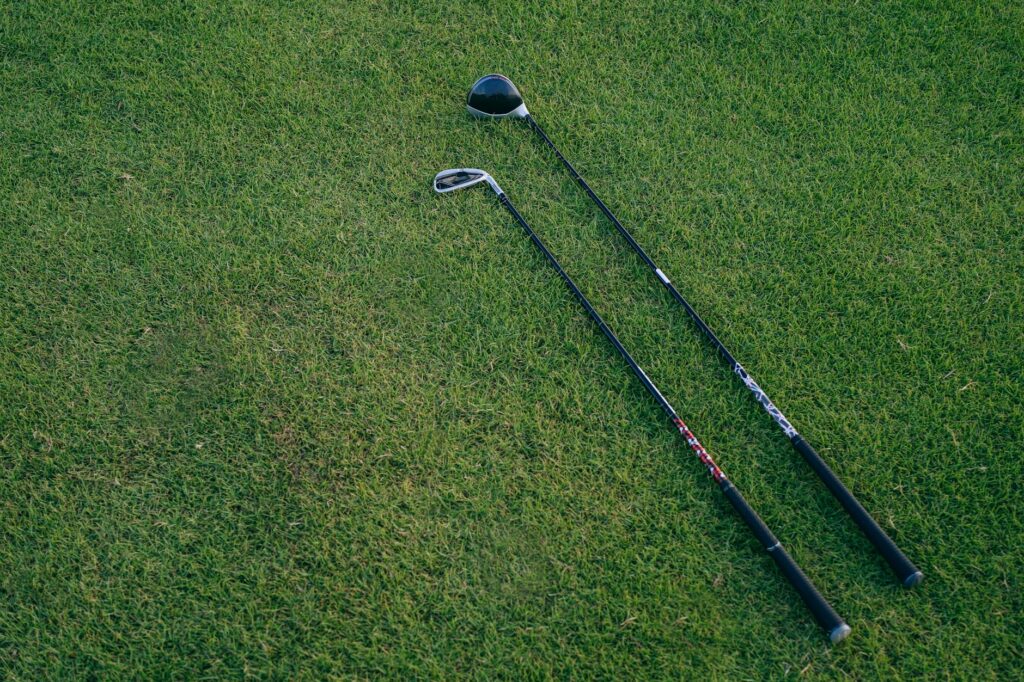
Another common mistake is selecting a driver with the wrong shaft flex. Shaft flex significantly influences how the club performs during your swing. If the shaft is too stiff, it can lead to a loss of distance and accuracy. Conversely, if it is too flexible, you may struggle to control the ball flight. Understanding your swing speed is key to making the right choice. Generally, slower swing speeds benefit from a more flexible shaft, while faster swings require stiffer options.
To make an informed decision, consider getting fitted for your driver or consulting with a pro for golf driver advice. This will help you identify the right specifications that can help you improve your golf game significantly. Remember, finding the right loft and shaft flex is essential in avoiding common golf driver mistakes beginners often make.
By understanding these two critical factors, you’ll be well on your way to selecting a driver that suits your game and enhances your performance on the course. For more insights, check out How to Choose the Right Golf Driver for Beginners.
Ignoring Clubhead Size and Shape: A Mistake for Beginners
When starting out in golf, many beginners overlook the significance of clubhead size and shape, which can lead to major golf driver mistakes beginners often make. The design of your driver can drastically impact your performance, and understanding these features is vital for improving your golf game.
The Importance of Clubhead Design
The clubhead is the part of the driver that makes contact with the ball, and its design can influence everything from your swing mechanics to your accuracy. A larger clubhead typically offers a larger sweet spot, which is incredibly beneficial for beginners who are still honing their skills. A forgiving design helps minimize the negative effects of off-center hits, giving you a better chance of achieving a straight and long drive even when you don’t hit the ball perfectly.
According to PGA, clubhead size and shape are critical factors that can affect ball speed and launch angle. Beginners should prioritize drivers with a more forgiving design to enhance their performance and build confidence on the course.
How Size Affects Your Swing
Clubhead size can also impact your swing dynamics. A larger clubhead may feel heavier, but it can provide greater stability during the swing, allowing for better control. Beginners often struggle with consistency, and a well-designed driver can help mitigate that issue. The right shape can also promote a more efficient swing, which is essential when trying to improve your golf game.
When choosing a driver, look for one that not only fits your physical stature but also one that feels comfortable and natural during your swing. Consult with a professional or visit a local pro shop for personalized golf driver advice to find the best match for your unique style.
paying attention to clubhead size and shape can significantly reduce golf driver mistakes beginners make and set you up for success on the course. By selecting a driver that enhances your strengths and compensates for your weaknesses, you will find yourself making strides in your game in no time.
Overlooking Grip Size: Key Golf Driver Mistakes Beginners Make
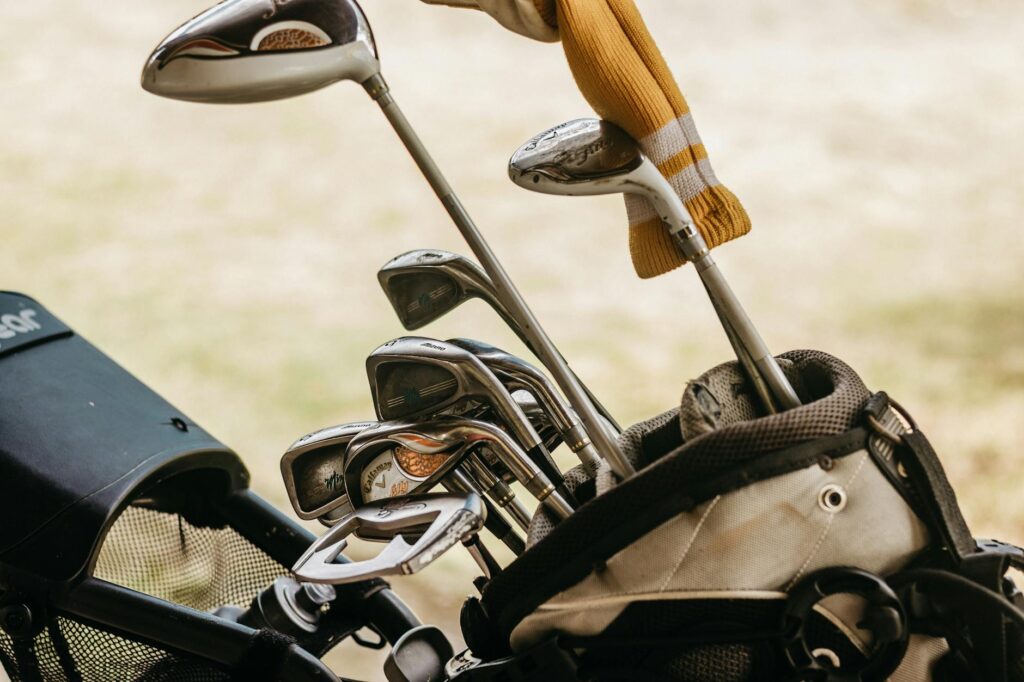
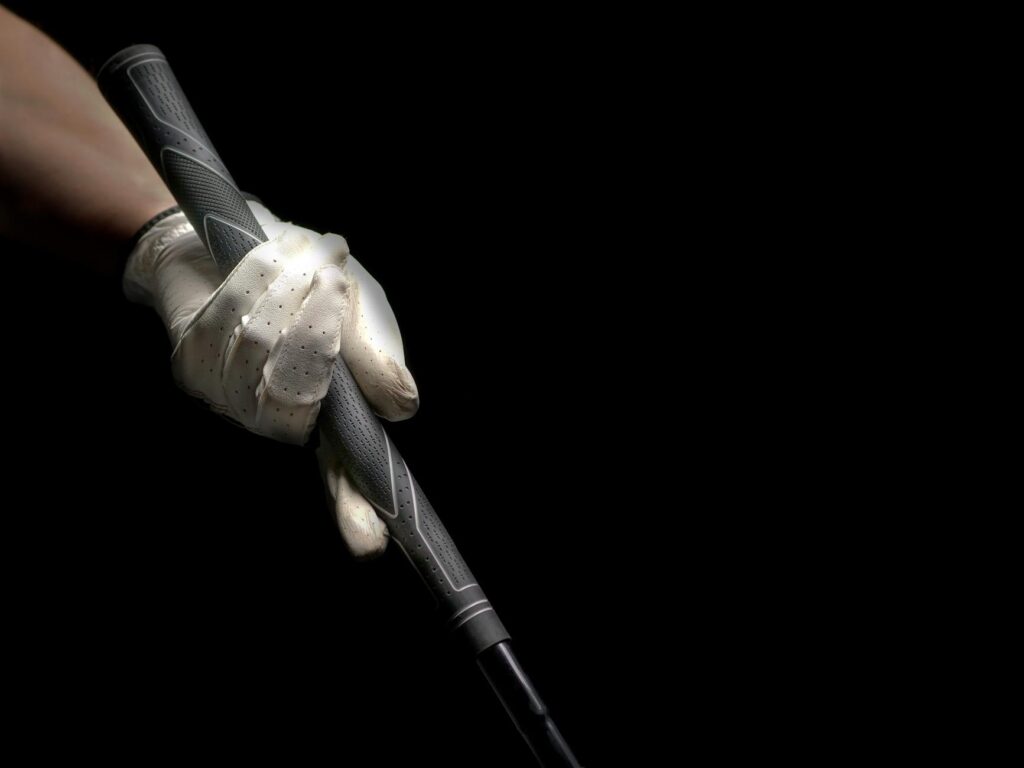
When it comes to choosing a golf driver, many new players often overlook the importance of grip size. This oversight can lead to significant challenges in their game, affecting both control and comfort during swings. Understanding grip size is one of the crucial golf driver mistakes beginners often make, so let’s delve into why it matters and how to find the right fit for you.
Finding the Right Grip Size
The grip size of your driver plays a vital role in your overall performance. A grip that is too small can cause your hands to slip during your swing, while a grip that is too large can inhibit your ability to make precise movements. To determine your ideal grip size, follow these steps:
- Measure Your Hand: Use a measuring tape to find the length of your hand from the tip of your longest finger to the base of your palm. This measurement will help guide your grip size selection.
- Check Your Finger Span: Hold your hand out flat and see how far apart your fingers can stretch. This will assist you in evaluating whether you require a thicker or thinner grip.
- Test Different Grips: When at a golf store, try out various grip sizes on different drivers. Pay attention to how comfortable each feels in your hands.
By taking these practical steps, you can avoid one of the common golf driver mistakes beginners make and enhance your control over the driver. Remember, the right grip size is essential in achieving a consistent swing, which is key to improving your golf game.
How Grip Affects Control and Comfort
The size of your grip can drastically affect how well you control your driver. A correctly sized grip allows for better hand placement, leading to improved swing mechanics and more accurate shots. On the other hand, an improper grip size can cause tension in your hands and forearms, resulting in fatigue and less control over your driver. For effective golf driver advice, consider consulting with a local professional who can help you with grip recommendations tailored to your needs.
Incorporating these beginner golf tips into your practice will help you refine your technique and ultimately improve your golf game. Remember, your grip is the only part of your body that touches the club, so ensuring it’s the right size is essential for your success on the course.
Focusing Solely on Price: A Common Mistake with Golf Drivers
When it comes to selecting a golf driver, many beginners fall into the trap of prioritizing price over quality. While it’s natural to want to save money, solely focusing on cost can lead to poor performance on the course, making it one of the common golf driver mistakes beginners make.
Balancing Cost and Quality
Golf drivers come in a wide range of prices, but the cheapest option isn’t always the best choice. A lower-priced driver may lack essential features that can help improve your golf game. For instance, materials used in higher-quality drivers can enhance durability and performance. Look for factors like adjustable loft settings and weight distribution, which can significantly affect how well you hit the ball. Investing in a driver that suits your swing style and skill level will pay off in the long run.
Investing in Your Game
Rather than viewing your driver purchase as an expense, consider it an investment in your game. Quality drivers are designed to help you achieve better accuracy and distance, which can boost your confidence on the course. Consider seeking golf driver advice from professionals or experienced players to find a driver that matches your playing style.
Additionally, many retailers offer demo programs that allow you to test various drivers before committing to a purchase. This way, you can ensure that the club feels comfortable and meets your performance needs. Remember, making wise investments in your golf gear can lead to significant improvements in your overall game.
By avoiding the mistake of focusing solely on price, you can make a more informed decision that enhances your skills and enjoyment of the game. For more beginner golf tips, consider exploring your local golf shop or connecting with a coach who can guide you through the selection process.
Neglecting Custom Fitting: A Mistake Beginners Should Avoid
When starting your golf journey, one of the biggest golf driver mistakes beginners make is overlooking the importance of custom fitting. Many new players assume that any driver will do, but the reality is that having a properly fitted club can make a significant difference in your performance on the course.
Benefits of Professional Club Fitting
Custom fitting involves adjusting the specifications of your golf driver to match your unique swing characteristics. This includes factors such as your height, arm length, swing speed, and even your playing style. The benefits of professional club fitting are numerous:
- Improved accuracy: A well-fitted driver can help you hit straighter shots, reducing your chances of ending up in the rough.
- Increased distance: With the right loft and shaft flex, you can maximize your distance, which is crucial for improving your golf game.
- Consistency: Consistent swings lead to predictable outcomes, which can help you lower your scores.
According to a study by Golf.com, players who underwent professional fitting improved their average driving distance by up to 10 yards. This improvement can be pivotal, especially for beginners looking to enhance their game.
Finding the Right Fit for Your Game
So, how can you find local fitting services? Here are a few tips:
- Visit Local Pro Shops: Many golf stores offer fitting sessions, often free of charge or at a reasonable rate.
- Consult with a PGA Professional: A certified pro can provide personalized golf driver advice tailored to your swing.
- Look for Fitting Events: Many brands host demo days where you can try out different drivers and receive expert fitting.
Investing time and resources into a professional fitting can help you avoid common golf driver mistakes beginners make, ensuring your equipment complements your abilities. This foundational step is essential for any new golfer aiming to improve their game effectively.

By avoiding common golf driver mistakes beginners often make, you can significantly enhance your performance on the course. Remember that grip, stance, and alignment are crucial components that can either hinder or help your swing. Incorporating beginner golf tips into your practice routine will not only boost your confidence but also contribute to a more consistent game. Each small adjustment you make can lead to substantial improvements in your golf game.
Now that you’re equipped with essential golf driver advice, it’s time to put that knowledge into action. Head out to the driving range and focus on refining these key aspects. Practicing with intention will help you learn from your mistakes and ultimately improve your golf game. So grab your driver, take a deep breath, and enjoy the process of becoming a better golfer!
“`html
What are common golf driver mistakes beginners make?
Common golf driver mistakes beginners make include improper grip, poor stance, and incorrect alignment. Many new players tend to overswing, thinking more power equates to better distance, which often leads to a loss of accuracy. Additionally, beginners might fail to focus on their follow-through, resulting in inconsistent shots. Understanding these golf driver mistakes beginners often make can help in developing a more effective swing and improving overall performance.
How can beginners choose the right golf driver?
Beginners should consider several factors when choosing the right golf driver. Start by evaluating your swing speed and style, as this impacts the type of driver that will work best for you. Look for drivers with a larger clubhead for a bigger sweet spot, which can help improve consistency. Test different shaft lengths and flexes to find one that feels comfortable. Consulting with a professional or visiting a fitting center can provide valuable golf driver advice tailored to your needs.
Why is grip size important for golf drivers?
Grip size is crucial for golf drivers because it directly affects control and comfort during your swing. If the grip is too small, it may lead to excessive hand movement, causing inconsistent shots. Conversely, a grip that is too large can hinder wrist action and reduce clubhead speed. Finding the right grip size allows for better contact with the ball and improved accuracy, making it an important consideration for beginners aiming to enhance their golf game.
What should beginners consider when buying a golf driver?
When buying a golf driver, beginners should consider factors such as loft, shaft flex, and clubhead design. Loft affects the launch angle and distance, so choose one that matches your swing speed. Shaft flex should correspond to how fast you swing; a stiffer shaft is ideal for faster swings. Additionally, consider the clubhead size; larger heads can provide a bigger sweet spot, which is forgiving for beginners. These elements are key to making an informed purchase and avoiding common golf driver mistakes beginners often make.
How does shaft flex affect performance in golf drivers?
Shaft flex significantly impacts the performance of golf drivers by influencing how the club behaves during the swing. A more flexible shaft can help generate additional distance for slower swing speeds, while a stiffer shaft is better suited for faster swings, offering more control. Using the correct flex for your swing speed allows for better timing and accuracy, enhancing overall performance on the course. This is an essential aspect of beginner golf tips that should not be overlooked.
What are some beginner golf tips for selecting equipment?
Some beginner golf tips for selecting equipment include trying out various clubs before purchasing and seeking professional advice. Pay attention to the feel and performance of different drivers during practice sessions. Focus on comfort and control rather than just price or brand. Additionally, consider purchasing used equipment to save money while you learn. By understanding your needs and preferences, you can make better choices and ultimately improve your golf game.
“`