

Learning how to fix a golf hook is a crucial skill for any golfer seeking to improve their game. A hook can derail your accuracy and lead to frustrating rounds on the course. Understanding what causes this common issue is the first step toward effective hook correction. In this article, we’ll explore the root causes of a golf hook, including how your grip and swing path contribute to the problem. We’ll then provide a step-by-step guide on how to fix a golf hook, ensuring you have practical solutions at your fingertips. Additionally, you’ll find drills designed to enhance your accuracy and reinforce the necessary swing path fix. If you find that these tips aren’t enough, we’ll discuss when it might be time to seek professional help for more advanced hook correction. Finally, we’ll offer valuable tips for maintaining your progress, so you can enjoy long-term success on the greens. Ready to hit straighter drives? Let’s dive in!
Understanding the Golf Hook: What Causes It?
A golf hook is a common issue that many golfers face, characterized by a shot that curves sharply to the left (for right-handed players) or to the right (for left-handed players). This excessive leftward curve can lead to missed fairways, lost balls, and frustration on the course. To effectively fix a golf hook, it’s essential to understand its root causes and how they affect your game.
Common Causes of a Golf Hook
Several factors contribute to the development of a golf hook, including grip, stance, and swing path issues:
- Grip: A grip that is too strong can cause the clubface to close at impact, resulting in a hook. Ensure your grip is neutral, where the knuckles on your top hand are visible but not overly pronounced.
- Stance: An incorrect stance can also lead to a hook. If you are too closed or if your alignment is off, it can direct your swing path excessively to the right, causing the ball to hook.
- Swing Path: An inside-out swing path can produce hooks. If your club moves too far inside during the backswing and then swings out toward the target line, the closed clubface can send the ball curving left.
Recognizing these common causes is the first step toward implementing a hook correction strategy that enhances your overall accuracy on the course.
How Hook Correction Can Improve Your Game
Addressing the factors that lead to a golf hook can significantly improve your game. A proper swing path fix allows for better control of the clubface, reducing the likelihood of hooks. By adjusting your grip and stance, you can create a more reliable setup that promotes straighter shots. Ultimately, fixing a golf hook not only enhances accuracy but also builds confidence in your swing.
In your journey to improve, consider working with a coach or using swing analysis technology to identify specific areas for improvement. A few simple adjustments can lead to more consistent performances on the course, reducing the frustration of unexpected hooks.
How to Fix a Golf Hook: Step-by-Step Guide
Adjusting Your Grip to Fix Golf Hook Issues
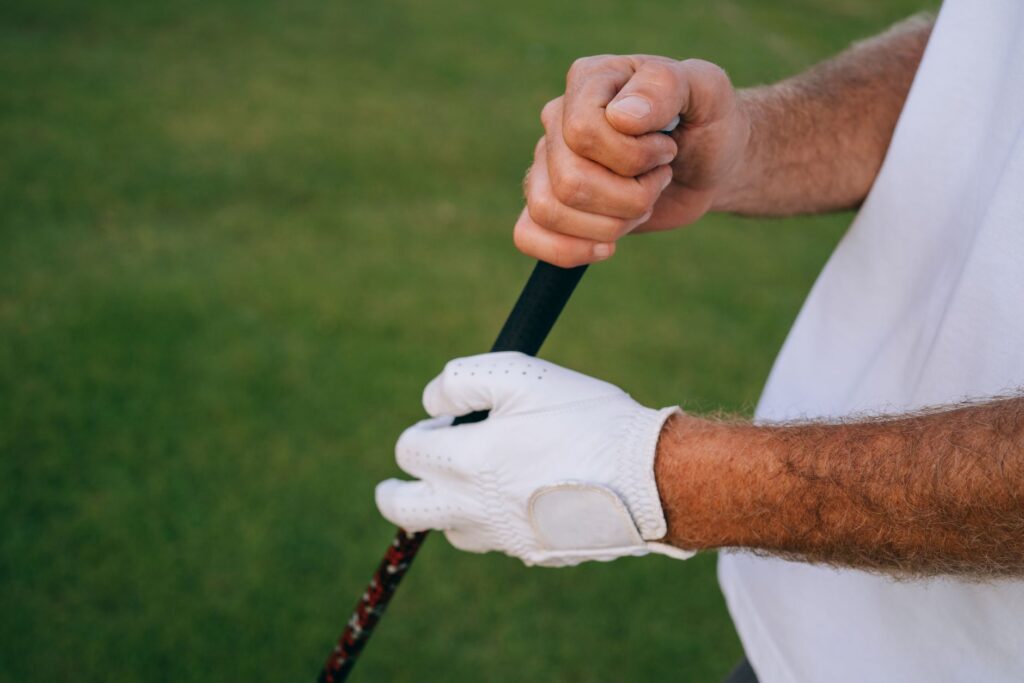
A major factor contributing to a golf hook is often the grip. To start fixing your hook, ensure that your grip is neutral. Follow these steps:
- Check Your Grip Position: Hold the club with your fingers, not your palms. Your left hand (for right-handed players) should have the thumb pointing down the shaft, while your right hand should not cover the left thumb excessively.
- Grip Pressure: Maintain a relaxed grip. Too tight of a grip can lead to excessive rotation of the clubface, which may result in a hook.
- Grip Alignment: Ensure that the ‘V’ shape formed by your thumb and forefinger on both hands points towards your right shoulder for right-handed golfers.
By adjusting your grip, you can significantly improve your clubface control, a crucial element for achieving better accuracy and lowering the chances of a hook.
Modifying Your Stance for Better Accuracy
Another essential aspect to fix a golf hook is your stance. Here’s how to modify it effectively:
- Feet Position: Position your feet shoulder-width apart, aligning them parallel to your target line. This can prevent your body from influencing the swing path negatively.
- Ball Position: Place the ball slightly further back in your stance. This adjustment can help you hit the ball before the clubface has a chance to close too much.
- Body Alignment: Make sure your shoulders, hips, and knees are aligned with your target. This alignment helps ensure a proper swing path fix, allowing you to follow through accurately.
Making these adjustments in your stance can lead to a more consistent swing path, further aiding in your efforts to fix a golf hook.
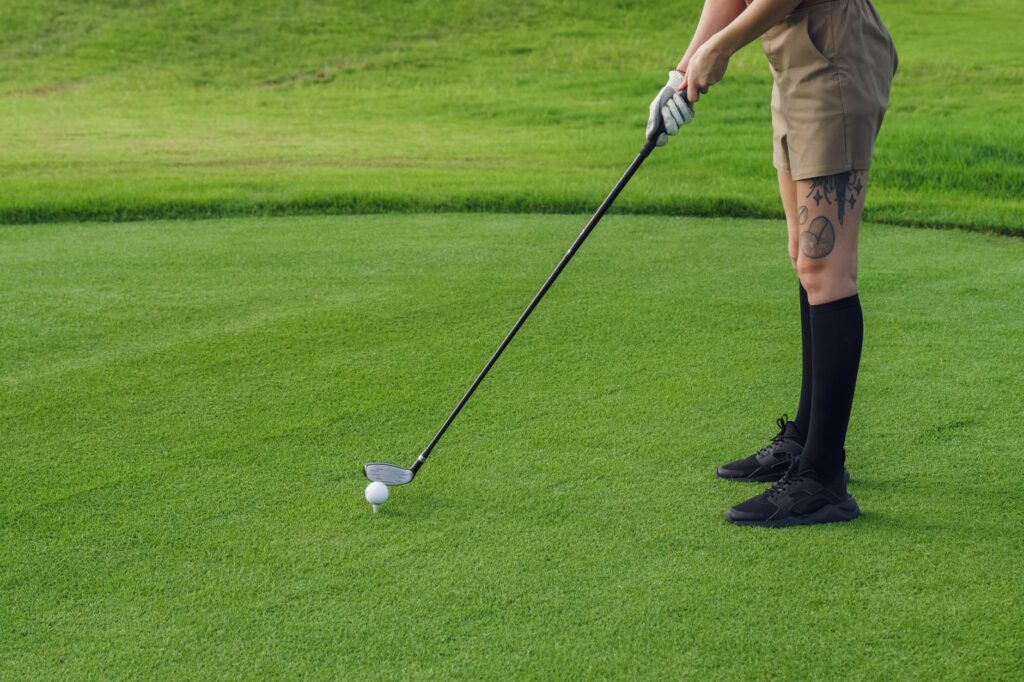
With these actionable steps for grip and stance modifications, you can effectively work towards correcting your hook. Remember, consistent practice and awareness of your grip and stance are key to achieving lasting results. For more in-depth guidance on swing techniques, check out Ultimate Golf Warm-Up Routine.
Practicing for Accuracy: Drills to Fix Your Hook
Correcting a golf hook requires consistent practice and the right drills. By focusing on your swing path and clubface alignment, you can significantly improve your accuracy and control. Let’s explore effective drills and tools that will help you fix your golf hook.
Effective Drills for Swing Path Fix
One of the most effective ways to address your hook is by implementing specific drills designed to modify your swing path. Here are a few you can try:
- Gate Drill: Set up two alignment sticks or clubs on the ground, a few inches apart, just outside your intended swing path. Practice hitting balls through this gate, ensuring your clubhead moves on a straighter path. This drill encourages a more neutral swing path, which is essential in hook correction.
- Half Swing Drill: To focus on clubface control, make half swings while ensuring your clubface is square at impact. This helps you feel the correct wrist positions and encourages a more accurate swing path.
- Reverse Grip Drill: Take your normal grip on the club but place your hands in a reverse position (the left hand is lower for right-handed golfers). This unconventional grip promotes an open clubface at impact, helping you understand the relationship between grip and ball flight.
Using Alignment Aids to Fix Your Golf Hook
Alignment aids are incredibly useful for ensuring that your body and clubface are positioned correctly before you swing. Here are some methods to incorporate:
- Alignment Sticks: Use alignment sticks to create a visual guide for your feet and shoulders. Position them parallel to your target line to help you maintain proper alignment throughout your swing.
- Mirror Practice: Utilize a mirror to check your setup and swing path. Observing your form can help reinforce good habits and correct any misalignments.
- Foot Positioning: Make sure your feet are aligned with your target. Incorrect foot positioning can lead to an incorrect swing path, making it more difficult to fix your hook.
Remember, achieving better accuracy and fixing your golf hook won’t happen overnight. Consistent practice with these drills and alignment aids is key to developing a reliable swing. By integrating these exercises into your routine, you’ll not only improve your swing path but also gain the confidence needed to tackle any course with precision.

When to Seek Professional Help for Hook Correction
Recognizing the Limits of Self-Correction to Fix Golf Hook
While many golfers can make adjustments on their own, there comes a point when self-correction may not yield the desired results. If you’ve tried various techniques to fix golf hook issues without success, it may be time to consider professional help. Persistent hooking can stem from multiple factors, including grip issues, stance problems, or swing path misalignments. Without the trained eye of a professional, you might miss critical nuances that are affecting your game.
Moreover, relying solely on online videos or tips can lead to confusion. Every golfer’s swing is unique, and what works for one player may not work for another. A qualified instructor can provide personalized feedback, helping you identify the root cause of your hook and suggesting effective hook correction strategies tailored to your specific situation.
Finding the Right Golf Instructor for Tailored Advice
Engaging with a local golf pro can significantly enhance your chances of achieving a swing path fix that leads to improved accuracy. Look for instructors with a solid background in teaching various skill levels, as they can adapt their methods to suit your needs. Many golf academies offer introductory lessons, which can be a great way to gauge whether the instructor’s style works for you.
Additionally, consider instructors who utilize technology such as swing analysis software. These tools can provide insights into your swing mechanics, making it easier to pinpoint the exact adjustments needed to fix golf hook problems effectively.
Whether you’re a beginner or a seasoned player, seeking professional help can fast-track your improvement. Don’t hesitate to reach out to a local pro for guidance and watch your game transform.
Maintaining Your Progress: Tips for Long-Term Success
Keeping a Consistent Practice Routine to Fix a Golf Hook
After successfully implementing techniques to fix a golf hook, it’s crucial to maintain a consistent practice routine. Regular practice helps reinforce the changes you’ve made to your grip, stance, and swing path. Aim for at least two to three practice sessions each week, focusing on the adjustments that have proven effective for you. Incorporating drills that emphasize your new swing mechanics will not only aid in solidifying these changes but also boost your overall accuracy.
Consider using alignment aids and swing path markers during practice. These tools can provide visual feedback, helping ensure you’re maintaining the correct path. It’s beneficial to incorporate various drills that target specific aspects of your swing, allowing for a comprehensive approach to your game improvement. Remember, consistency is key for long-term success.
Tracking Your Improvement
Keeping a practice log is an excellent way to track your progress and identify areas that may need further attention. Document each session, noting the adjustments made and the results observed. This log can become a valuable resource, helping you understand how far you’ve come and what you need to revisit. For instance, if you notice that your accuracy decreases during certain drills, it may indicate a need for a swing path fix or additional hook correction exercises.
Moreover, set specific goals for your practice. These can range from improving your accuracy on specific shots to reducing the frequency of hooks during a round. By setting measurable goals and regularly reviewing your practice log, you’ll stay focused and motivated to continue improving your game.
Ultimately, maintaining progress after you fix a golf hook requires dedication and a structured approach. With consistent practice and careful tracking of your improvement, you’ll be well on your way to long-term success on the golf course.
With the right techniques, you can effectively fix a golf hook and improve your game. Remember, focusing on your grip and alignment can lead to significant hook correction. Additionally, implementing a swing path fix can enhance your accuracy and help you achieve straighter shots. Practice these adjustments consistently, and you’ll notice a positive change in your performance on the course.
Now that you have a solid understanding of how to fix a golf hook, it’s time to get to work. Spend some time on the practice range, experimenting with the tips shared in this article. Keep track of your progress and make adjustments as needed. With dedication and the right approach, you’ll be well on your way to mastering your swing and enjoying the game even more.
“`html
What is a golf hook and how can I fix it?
A golf hook is a shot that curves sharply to the left for right-handed golfers (or to the right for left-handed golfers). To fix a golf hook, you can focus on adjusting your grip, alignment, and swing path. Ensuring that your clubface is square at impact and practicing drills that promote an inside-out swing path can greatly help. Regular practice and awareness of your swing mechanics will also aid in correcting the hook.
What are the common causes of a golf hook?
Common causes of a golf hook include an incorrect grip, a closed clubface at impact, an overly inside swing path, and poor alignment. If your grip is too strong, it can lead to a closed clubface, which often results in hooking the ball. Additionally, swinging too much from the inside can exacerbate this issue. Understanding these factors is crucial for effective hook correction.
How can I adjust my grip to fix a golf hook?
To adjust your grip for fixing a golf hook, start by positioning your hands more neutral on the club. A strong grip, where the palms face more towards the sky, can cause the clubface to close at impact. Instead, aim for a grip where the “V” formed by your thumb and forefinger points towards your right shoulder (for right-handed players). Regularly practice this grip adjustment to improve your accuracy and reduce hooks.
What drills can help correct a golf hook?
Effective drills to correct a golf hook include the “gate drill,” where you place two alignment sticks on the ground to create a path you must follow, promoting an outside-in swing. Additionally, practicing with a focus on keeping the clubface square during your swing can help. Use specific swing path fix drills to develop a more consistent swing and track your progress over time.
When should I seek help from a golf instructor?
If you consistently struggle with a golf hook despite trying various self-correction techniques, it may be time to seek help from a golf instructor. An experienced coach can provide personalized feedback, identify swing flaws, and offer tailored drills. They can help you understand your swing dynamics better, which is essential for accurate shot-making and overall improvement.
How can I track my progress in fixing a golf hook?
To track your progress in fixing a golf hook, keep a log of your practice sessions and note any changes in your swing or grip. Video recording your swings can also be beneficial, allowing you to analyze your form over time. Additionally, using a launch monitor can provide quantitative data on your ball flight, helping you measure improvements in accuracy and consistency.
“`