
If you’re struggling to fix fat shots in golf, you’re not alone. Many golfers face this frustrating issue, where the club hits the ground before making contact with the ball, resulting in a less-than-ideal shot. Understanding why fat shots happen is the first step toward improvement. In this article, we’ll explore the common causes of fat shots and provide you with effective swing correction techniques to help you regain control. You’ll also discover key drills designed to tackle your contact issues, ensuring that your clubface meets the ball cleanly. We’ll discuss how to monitor your progress with useful tools and techniques, so you can track your improvements over time. Consistency is crucial in your journey to fix fat shots, and we’ll guide you every step of the way. Let’s dive in and get your game back on track!
Understanding Fat Shots: Why They Happen
Fat shots in golf occur when the club impacts the ground before making contact with the ball, resulting in a weak and often frustrating shot. This mishap can lead to lost distance and accuracy, making it essential for golfers to understand the mechanics behind these errors to effectively fix fat shots.
Common Causes of Fat Shots
Several factors can contribute to fat shots, primarily stemming from poor swing mechanics or misalignment. Here are some common causes:
- Improper Setup: If your stance is too wide or narrow, it can throw off your balance and lead to inconsistent contact.
- Weight Distribution: Failing to shift your weight correctly during the swing can cause you to hit the ground before the ball.
- Swing Path Issues: A swing that is too steep can lead to hitting the turf first, while an overly shallow swing may result in thin shots instead.
By addressing these common issues through swing correction, golfers can significantly reduce their chances of hitting fat shots.
Why Clean Contact Matters: The Key to Fix Fat Shots
The importance of making clean contact with the ball cannot be overstated. Hitting the ball at the right moment not only improves distance and accuracy but also instills confidence in your swing. When you make good contact, the energy from the club transfers efficiently to the ball, resulting in a better overall shot. Consequently, focusing on improving your contact issues will help you consistently fix fat shots and enhance your performance on the course.
How to Fix Fat Shots with Swing Correction Techniques
Adjusting Your Stance and Grip
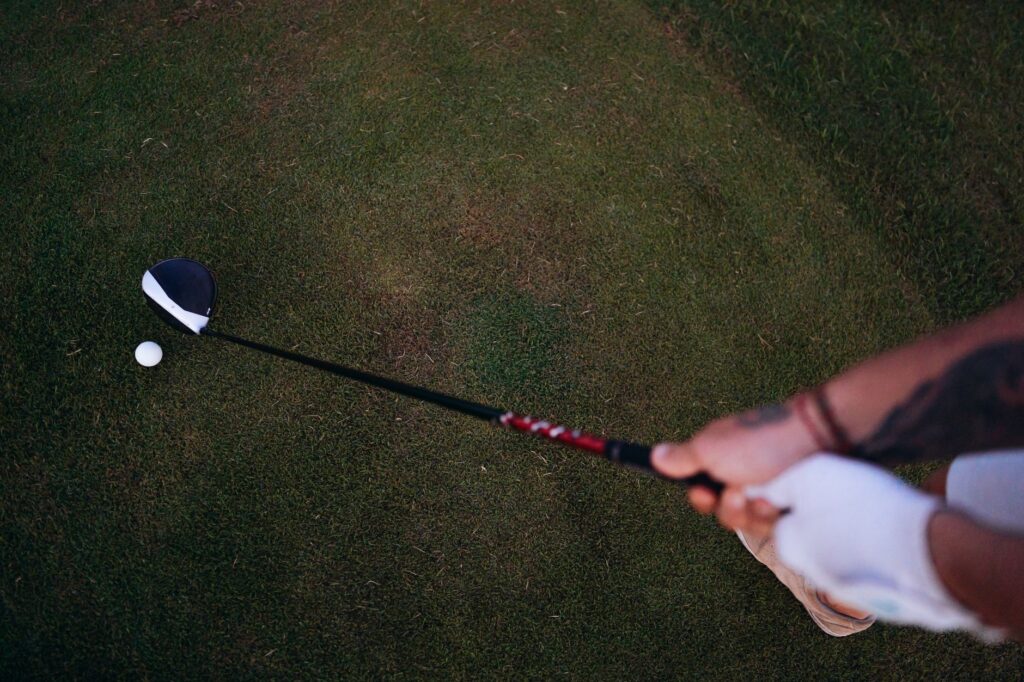
To effectively fix fat shots, one of the first aspects to address is your stance and grip. A proper stance will ensure that your weight is distributed correctly throughout your swing. Start by standing with your feet shoulder-width apart and distribute your weight evenly. You should feel balanced, with a slight bend in your knees, and your spine tilted forward from the hips.
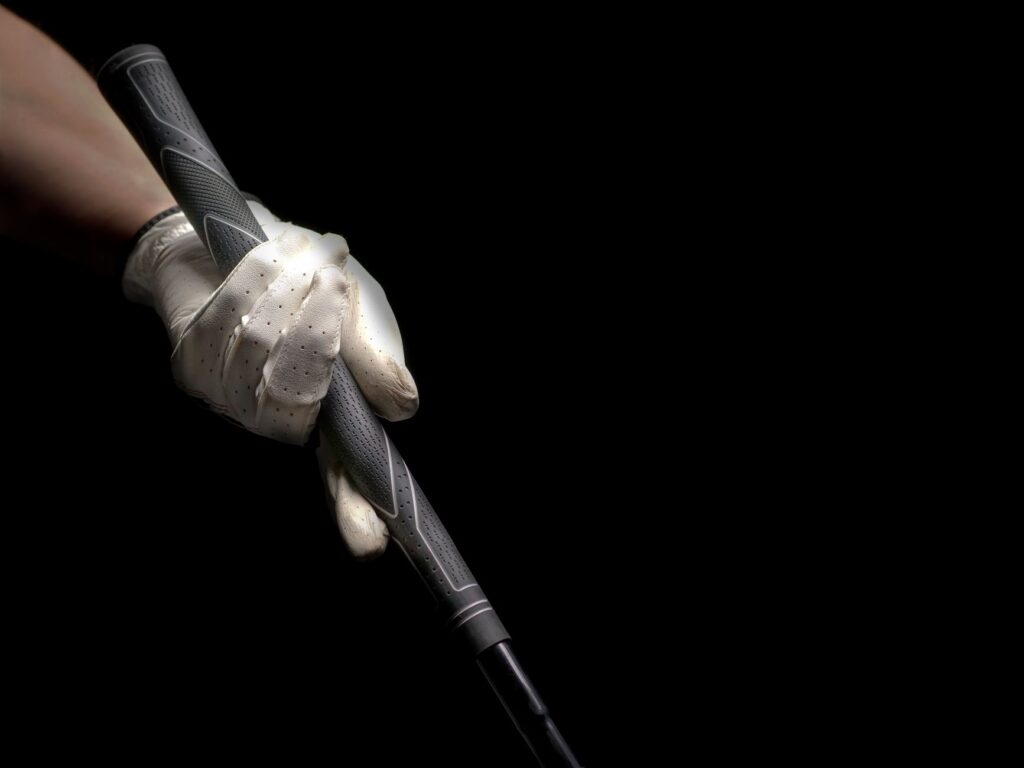
Next, let’s talk about grip. Your grip should not be too tight, as it can lead to tension in your arms and shoulders. Instead, hold the club firmly but relaxed. This grip allows for better wrist hinge and clubface control during your swing. A good rule of thumb is to practice holding the club with just enough pressure to prevent it from slipping, but not so much that your knuckles turn white. To visualize this, consider how you would hold a tube of toothpaste without squeezing it too hard.
Practicing Proper Follow-Through to Fix Fat Shots
A common mistake that can contribute to contact issues is an incomplete follow-through. Many golfers rush through their swing, leading to fat shots. To combat this, focus on your follow-through by ensuring your swing finishes high. This not only helps with balance but also encourages a full rotation of your body, which is essential for striking the ball cleanly.
When practicing at the range, set up a few alignment sticks or markers to help visualize your target line. As you swing, make sure that your follow-through is as committed as your backswing. A balanced finish, where your weight shifts to your front foot and your chest faces the target, indicates a proper swing path and can lead to more consistent, solid contact.
Incorporating these swing correction techniques can significantly help fix fat shots. Regularly practicing these adjustments will lead to improved accuracy and distance, allowing you to enjoy the game even more. Remember, the key is consistency, so make these adjustments part of your routine on the range.
Key Drills to Improve Your Contact Issues
To effectively fix fat shots, it’s essential to focus on your contact issues. Many golfers struggle with consistent ball striking, which can often lead to those dreaded fat shots. Here are some key drills to enhance your contact and improve your overall performance.
Using Alignment Aids
One of the simplest ways to ensure proper alignment is to use alignment sticks. Place two sticks on the ground: one pointing toward your target and the other parallel to it, aligned with your feet. This visual aid helps you recognize if you’re set up correctly, which is crucial for preventing fat shots. When your alignment is off, it can lead to poor swing mechanics and increased chances of hitting behind the ball, resulting in a fat shot.
Additionally, consider using a club or a towel laid on the ground about a foot behind the ball. This will provide a physical barrier that encourages you to make contact with the ball before the ground, reinforcing proper timing and rhythm in your swing. Essential Fairway Shot Tips for Consistent Accuracy
Drills for Consistent Ball Striking to Fix Fat Shots
Here are a couple of drills designed to address your contact issues and help you fix fat shots effectively:
- The One-Handed Drill: Hit balls using only your lead hand (left hand for right-handed golfers). This drill emphasizes the importance of a proper grip and encourages good timing. As you become more comfortable, switch to your trailing hand. This should help you develop a more consistent swing.
- The Divot Drill: Place a small piece of tape or a marker a few inches behind your ball. Focus on making contact with the ball first and then the ground. If you hit the tape or marker, it indicates that you are striking down too early, which can lead to fat shots. Adjust your swing until you consistently contact the ball before the ground.
By incorporating these drills into your practice routine, you can significantly improve your contact with the ball. Consistency is key, so make sure to practice regularly. Remember, proper alignment and timing are crucial elements in achieving better ball striking and ultimately fixing fat shots.
Monitoring Your Progress: Tools and Techniques
To effectively fix fat shots, it’s crucial to monitor your progress. Tracking your improvement not only keeps you motivated but also helps you identify areas that still need work. Fortunately, technology makes it easier than ever to analyze your golf game.
Using Technology to Track Improvement
One of the best ways to monitor your swing and contact issues is through the use of swing analyzers and mobile apps. Devices such as the TrackMan or GolfLogix provide detailed feedback on your swing mechanics, including club speed, angle of attack, and impact location. This data is invaluable in pinpointing the exact moments when you fat your shots.
Many apps also offer video analysis features. By recording your swing, you can visually compare your technique against professional golfers or your own past performances. Look for apps that allow you to overlay swing paths and highlight points of improvement. This visual feedback can greatly assist in your swing correction efforts.
To maximize your practice sessions, set specific goals based on the data you collect. For example, if you notice a consistent issue with your angle of attack, dedicate your next practice session to correcting that specific aspect. Over time, this focused approach will help you fix fat shots more efficiently.

When to Seek Professional Help
While technology can provide significant insights, there may come a time when you need professional guidance. If you find that your attempts to fix fat shots are yielding little to no improvement, it might be beneficial to consult a golf instructor. A professional can provide personalized assessments and tailored drills that address your unique swing characteristics.
Additionally, if you’re struggling with persistent contact issues despite using technology, a coach can help correct underlying mechanics that are hard to self-diagnose. Investing in a few lessons can pay off in better performance and more enjoyable rounds on the course.
Regularly evaluate your progress through both technology and professional advice. This balanced approach will help you effectively tackle the challenges of fat shots and enhance your overall game.
Top 10 Dungeness GolfSwing Tips for Improvement
Conclusion: Consistency is Key to Fixing Fat Shots
To fix fat shots, it’s essential to prioritize consistency in your practice and pay close attention to your swing mechanics. Throughout this article, we’ve explored several actionable tips, from proper posture and alignment to drills that enhance your swing path. Each of these elements plays a crucial role in ensuring that you make solid contact with the ball, reducing the risk of those frustrating fat shots.
Remember that the journey to improving your game is gradual. While you might find some tips more effective than others, the key is to practice regularly. Focus on specific aspects of your swing correction, and don’t hesitate to record your swings or work with a coach if necessary. These tools can provide valuable insights into your contact issues, helping you identify any persistent problems that may be causing those fat shots.
As you continue to implement these techniques, be patient with yourself. Golf is a game of precision and practice, and improvement takes time. Celebrate small victories along the way, and recognize that each round of practice brings you closer to a more consistent game. The more you commit to refining your swing and mastering your technique, the more successful you will be in your pursuit to fix fat shots.

By embracing a consistent practice routine and focusing on the fundamentals, you’ll find that the road to better contact and fewer fat shots will become smoother and more enjoyable. Stay motivated, and keep swinging!
To effectively fix fat shots, it’s essential to focus on both your swing correction and the contact issues that may arise during your game. By adjusting your stance, weight distribution, and swing path, you can improve your ability to strike the ball cleanly. Remember, practice makes perfect, dedicate time to drills that reinforce these adjustments and watch your performance improve.
As you work on fixing fat shots, don’t hesitate to seek feedback from a coach or a fellow golfer. Sometimes, an outside perspective can help identify subtle mistakes you might overlook. Take this opportunity to refine your technique and enjoy the game more fully. Start today by incorporating a few of these tips into your next practice session, and you’ll be on your way to consistent, crisp contact.
“`html
What causes fat shots in golf?
Fat shots in golf typically occur when the club strikes the ground before making contact with the ball. This can be caused by poor swing mechanics, improper weight distribution, or an incorrect setup. When your weight shifts improperly during the swing, it can lead to hitting behind the ball. Understanding your stance and balance is crucial to identifying and correcting these issues, which will help you fix fat shots effectively.
How can I fix fat shots quickly?
To fix fat shots quickly, focus on your setup and swing path. Ensure your weight is balanced on your feet and favor your front foot during the downswing. Practice taking divots just in front of the ball to promote cleaner contact. Additionally, try placing a tee slightly in front of the ball to encourage a better strike. These adjustments can help you achieve better impact and ultimately fix fat shots in your game.
What are some drills to improve contact in golf?
To improve contact in golf, try the following drills: 1) The ‘Tee Drill’ where you place a tee in the ground slightly ahead of the ball to promote a proper strike; 2) The ‘One-Handed Drill’ practicing swings with your dominant hand to enhance feel; and 3) The ‘Impact Bag Drill’ to help you visualize and feel correct impact. Regularly practicing these drills can help eliminate contact issues and improve your overall performance.
How does grip affect my swing?
Your grip is fundamental to a successful swing. A proper grip allows for better control of the clubface throughout the swing. If your grip is too tight or too weak, it can lead to inconsistent shots, including fat shots. To ensure a solid swing, focus on maintaining a neutral grip that promotes a natural wrist hinge, allowing for a smoother and more consistent swing path.
When should I seek professional help for my golf swing?
If you’ve been struggling with persistent fat shots or other swing issues despite practicing, it may be time to seek professional help. A golf instructor can provide personalized guidance to identify flaws in your mechanics and recommend specific drills. Additionally, if you’re experiencing pain or discomfort while swinging, consulting a professional is essential to ensure your technique is safe and effective.
What equipment can help correct swing issues?
Using the right equipment can be crucial for fixing swing issues. Consider using clubs with the correct shaft flex, as this can significantly impact your swing dynamics. Additionally, training aids like alignment sticks, impact bags, and weighted clubs can help reinforce proper mechanics. Investing in a launch monitor can also provide valuable feedback on your swing, helping you identify and correct issues more effectively.
“`