
When starting out in golf, it’s all too easy to fall into the trap of common golf beginner mistakes that can hinder your progress and enjoyment of the game. Whether you’re swinging a club for the first time or just looking to refine your skills, understanding these pitfalls is crucial. This article will guide you through the top golf beginner mistakes to avoid, providing practical golf tips that can set you on the path to improvement. We will also help you create a personalized improvement guide to enhance your learning experience. By recognizing and addressing these common errors, you can accelerate your growth as a golfer and make your time on the course more fulfilling. So, let’s dive into the essential strategies for overcoming golf beginner mistakes and transforming your game!
Understanding Golf Beginner Mistakes
When starting your journey in golf, recognizing and understanding golf beginner mistakes is crucial for a smooth learning curve. Many newcomers to the game often overlook fundamental aspects, which can hinder their progress on the course. Addressing these common errors early on can lead to significant improvements in both performance and enjoyment of the game.
What Are Common Errors?
Golf beginners frequently make a few key mistakes that can affect their overall experience. Some of the most common errors include:
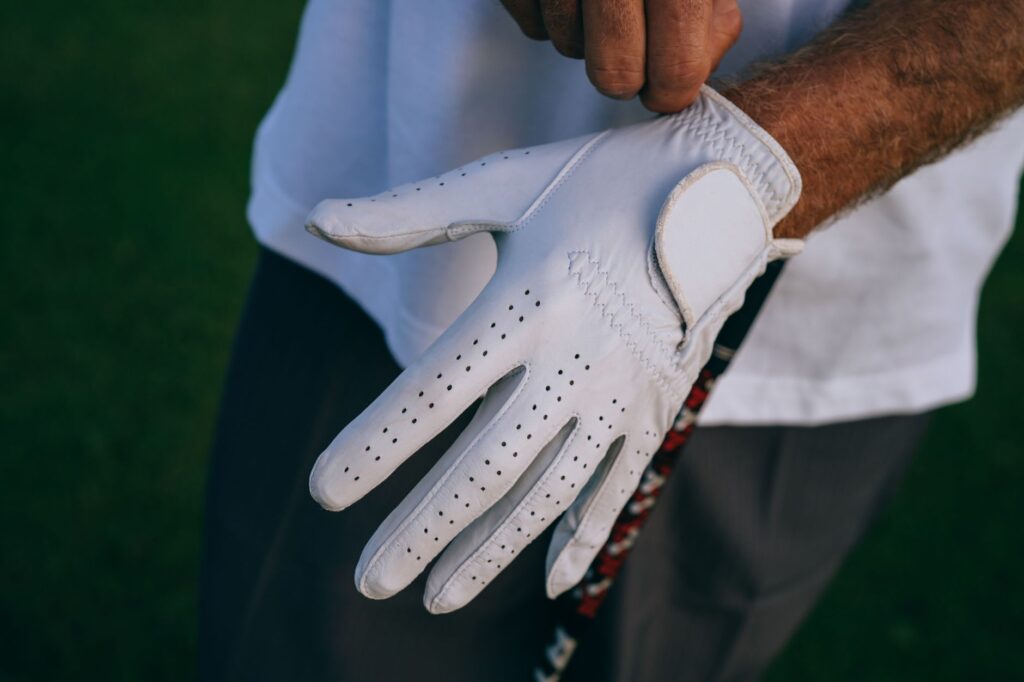
- Improper Grip: A faulty grip can lead to inconsistent shots. Beginners often grip the club too tightly or too loosely, affecting control and accuracy.
- Incorrect Stance: Many beginners stand too far from the ball or have an improper posture. This misalignment can lead to poor swings and missed hits.
- Neglecting the Short Game: New players often focus solely on driving the ball and overlook putting and chipping, which are essential for lowering scores.
Each of these common errors can have lasting effects on a beginner’s development. By identifying and correcting these mistakes early, players can create a solid foundation for their golf game and avoid frustration on the course.
Why Avoiding These Mistakes Matters
Understanding and avoiding golf beginner mistakes is vital for several reasons. First, correcting these errors can lead to immediate improvements in your game, making each practice session more productive and enjoyable. Additionally, a strong grasp of the fundamentals provides a clearer path for future growth, allowing players to build on their skills without developing bad habits.
Implementing effective golf tips and focusing on correcting these common errors will not only enhance your performance but also boost your confidence as you play with more consistency. For those looking for a comprehensive improvement guide, consider seeking lessons from a professional instructor who can help pinpoint areas for growth.
By addressing and understanding these golf beginner mistakes, you will set yourself up for a more enjoyable and successful golfing experience.
Top Golf Beginner Mistakes to Avoid
Neglecting the Basics
One of the most critical golf beginner mistakes is neglecting the fundamentals. Many new players jump straight into the game without mastering essential skills like grip, stance, and swing mechanics. These basics form the foundation of a successful golf game.
- Grip: Ensure you hold the club correctly. A proper grip will enhance your control and accuracy. The V formed by your thumb and index finger should point towards your right shoulder (for right-handed players).
- Stance: Your feet should be shoulder-width apart, with your weight distributed evenly. Maintain a slight bend in the knees to promote balance.
- Swing Mechanics: Focus on a smooth, controlled swing rather than trying to hit the ball as hard as you can. Practice your swing in slow motion to build muscle memory.

Rushing the Learning Process
Another common error is rushing through the learning process. Golf is a game of patience, and expecting immediate results can lead to frustration. Instead of focusing solely on playing, dedicate time to practice and refine your skills.
Utilize an improvement guide that emphasizes gradual progression. Start with short game practice , putting and chipping , before moving to longer shots. Setting achievable goals can enhance your learning experience and keep you motivated.
Ignoring Course Management
Many beginners overlook the importance of course management. Understanding how to navigate a golf course can significantly impact your score. Avoid the temptation to always aim for the green; sometimes, playing it safe is the better strategy.
- Know Your Distances: Use a rangefinder or GPS to understand how far you hit each club. This knowledge will help you make informed decisions on the course.
- Play to Your Strengths: Identify your strongest clubs and use them strategically during your rounds.
- Avoid Trouble: Be aware of hazards and position yourself to play around them rather than trying to clear them every time.
By addressing these golf beginner mistakes, you can improve your game while enjoying the process. Incorporate these golf tips into your practice routine and watch your skills grow.
Practical Golf Tips for Beginners
Avoiding common golf beginner mistakes can significantly enhance your game and boost your confidence on the course. Here are some practical tips to help you focus on fundamentals and practice with purpose.
Focus on Fundamentals
Mastering the fundamentals is crucial for any beginner golfer. Start by working on these essential skills:
- Grip: Ensure you have a proper grip on the club. A neutral grip allows for better control and consistency. Check out this guide on proper grip technique.
- Stance and Posture: Stand with your feet shoulder-width apart, keeping your knees slightly flexed. This posture helps maintain balance throughout your swing.
- Alignment: Use alignment sticks or clubs laid on the ground to ensure your body is parallel to your target line. Misalignment is one of the most common errors beginners make.
By focusing on these fundamentals, you can build a strong foundation for your game and avoid many golf beginner mistakes. Remember, practice makes perfect, so dedicate time to refining your skills.
Practice with Purpose
It’s not just about hitting balls at the driving range; intentional practice is essential for improvement. Here are some effective golf tips:
- Set Realistic Goals: Instead of aiming to become a pro overnight, set achievable goals for each practice session, such as improving your putting or mastering a new club.
- Drills: Incorporate specific drills into your practice routine. For example, work on a chipping drill to enhance your short game. You can find some excellent drills in this improvement guide.
- Seek Feedback: Record your swings or ask a more experienced golfer for tips. Feedback can help you identify and correct mistakes early on.
Regular, focused practice will accelerate your progress and keep you motivated. By being aware of common errors and taking proactive steps, you’ll develop your game effectively.

Creating Your Improvement Guide
As a beginner golfer, one of the best ways to overcome golf beginner mistakes is by creating your own personalized improvement guide. This guide serves not only as a roadmap for your development but also as a motivational tool to keep you focused on your goals.
Setting Realistic Goals
The first step in crafting your improvement guide is setting realistic goals. Instead of aiming to become a scratch golfer overnight, break your ambitions into smaller, manageable milestones. For example, you might want to focus on improving your driving distance or reducing your putts per round. According to the Golf Digest, setting specific, measurable, achievable, relevant, and time-bound (SMART) goals can significantly enhance your performance.
- Specific: Define what you want to achieve, like hitting 80% of fairways.
- Measurable: Use stats to track your progress, such as your average score.
- Achievable: Set goals that challenge you but are still within reach.
- Relevant: Align your goals with your overall desire to improve your game.
- Time-bound: Create a timeline for achieving each goal.
Avoiding Common Golf Beginner Mistakes Through Tracking
After setting your goals, the next step is to track your progress on the course. This is crucial for identifying areas where you might be making common errors. Keeping a golf journal or using a mobile app can help you record various aspects of your game, such as your score, number of putts, or even your feelings during each round. Not only will this provide you with data to analyze, but it will also highlight patterns in your performance. By reviewing your stats regularly, you can adjust your practice accordingly and focus on specific areas needing improvement.
For instance, if you notice that you consistently struggle with your short game, you can dedicate more practice sessions to chipping and putting. This targeted approach is one of the best golf tips for beginners.
Creating an improvement guide tailored to your needs can help elevate your game and minimize golf beginner mistakes. By setting realistic goals and tracking your progress, you’ll be well on your way to becoming a more skilled golfer.

Conclusion: Overcoming Golf Beginner Mistakes
A successful journey in golf begins with understanding and overcoming the typical golf beginner mistakes. These common errors can lead to frustration and hinder your progress. However, with a commitment to improvement and the right mindset, you can elevate your game significantly. Remember, every golfer was once a beginner, and learning from mistakes is a crucial part of the process.
Stay Committed to Improvement
Commitment to continuous improvement is essential. Set realistic goals for yourself, whether it’s mastering your swing or improving your putting. Track your progress and celebrate small victories along the way. Engaging with resources such as golf tips from experts can provide valuable insights to refine your technique. Regular practice will help you overcome the golf beginner mistakes that can plague new players, allowing you to build confidence and skill over time.
Seek Help When Needed: Addressing Golf Beginner Mistakes
Don’t hesitate to seek help when you encounter challenges. Many beginners benefit from professional lessons that can address specific golf beginner mistakes. A qualified instructor can provide personalized feedback and an improvement guide tailored to your unique needs. Whether through one-on-one lessons or group clinics, professional guidance can offer you the tools to progress faster than you might on your own. Additionally, engaging with fellow golfers in your community can provide support and encouragement as you work to improve.
By staying committed to improvement and seeking help when needed, you can effectively navigate the obstacles of golf beginner mistakes. Embrace the learning process, and remember that every swing is an opportunity to grow as a golfer.

By being aware of these golf beginner mistakes, you can significantly improve your game and enjoy your time on the course. Paying attention to common errors, such as grip and stance, will help you develop a more consistent swing. Remember, everyone starts somewhere, and even the pros have had their share of mishaps. Use these golf tips as an improvement guide to refine your skills.
As you continue your golfing journey, take time to reflect on your experiences and learn from them. Implementing these strategies will pave the way for a more enjoyable and successful game. So grab your clubs, head to the driving range, and keep practicing. The more you play, the better you’ll become, and soon enough, you’ll be helping fellow beginners avoid those same golf beginner mistakes.
“`html
What are the most common golf beginner mistakes?
Many new golfers often make mistakes such as improper grip, poor stance, and inconsistent swing mechanics. Other common errors include focusing too much on power instead of technique, neglecting to practice short game skills, and not understanding course etiquette. These golf beginner mistakes can hinder progress and enjoyment of the game. Addressing these issues early on will set a solid foundation for improvement.
How can I improve my golf game as a beginner?
To enhance your golf game as a beginner, focus on consistent practice and seek guidance from a professional instructor. Spend time on each part of your game, including driving, putting, and chipping. Additionally, playing regularly will help you develop course management skills and understand different course layouts. Golf Warm-Up Exercises: Simple Steps to Get Ready and Top Tips to Improve Your Golf Game at Dungeness can provide valuable insights for ongoing improvement.
What should I focus on as a new golfer?
As a new golfer, prioritize mastering the basics, such as grip, posture, and alignment. Focus on developing a smooth and consistent swing, as well as improving your short game, which is critical for lowering your scores. Additionally, familiarize yourself with golf etiquette and rules to enhance your overall experience on the course. Improve Your Golf Swing at Dungeness: Tips & Techniques will also help you build a solid foundation for your game.
How do I avoid making errors in my swing?
Avoiding errors in your swing requires careful attention to your fundamentals. Regular practice and feedback from a coach can help identify and correct issues. Focus on maintaining a relaxed grip and a balanced stance throughout your swing. Additionally, video analysis can provide valuable insights into your technique, allowing you to make necessary adjustments. Consistent practice is key to overcoming common swing errors.
Why is course management important for beginners?
Course management is crucial for beginners as it helps you make strategic decisions that can lower your score and improve your overall game. Understanding when to play conservatively or aggressively can prevent unnecessary risks and costly mistakes. By focusing on smart shot selection and knowing your strengths and weaknesses, you can navigate the course more effectively and build confidence in your game. Dungeness Golf for Beginners: What to Expect can provide further guidance.
What golf tips are essential for beginners?
Essential golf tips for beginners include focusing on your grip, stance, and alignment, practicing regularly, and learning to manage your emotions on the course. Additionally, always warm up before playing to prevent injuries and improve performance. Paying attention to your short game, such as chipping and putting, can greatly impact your scores. Consider joining a beginner’s league or group for support and motivation as you learn the game.
“`