

Master your short game golf skills today and transform your game on the course. Whether you’re a seasoned player or just starting out, honing your short game is crucial for lowering your scores and improving your overall performance. In this article, we’ll explore the essential components of short game golf skills, focusing on key areas like chipping, pitching, and bunker play. You’ll learn effective techniques to develop your chipping technique, perfect your pitching skills, and master bunker play, helping you to navigate tricky situations with ease. Additionally, we’ll guide you in creating a short game practice routine that fits your schedule, along with tips on tracking your progress and improvement. By the end of this guide, you’ll have all the tools you need to elevate your short game and enjoy the game even more. Ready to take your skills to the next level? Let’s dive in!
Understanding Short Game Golf Skills
What is the Short Game?
The short game in golf refers to the shots played around the greens, typically from within 100 yards of the hole. This includes critical skills like chipping, pitching, and bunker play. Mastering these short game golf skills is essential because they account for a significant percentage of your total strokes during a round. A well-executed chip or pitch can save you valuable strokes, while a poor shot can lead to unnecessary frustration and increased scores.
Why Short Game Skills Matter
Improving your short game golf skills can dramatically lower your scores. According to the Golf Digest, around 60% of all shots in a typical round occur within 100 yards of the green. This statistic highlights that even minor improvements in your short game can yield significant results on your scorecard.
When you can confidently chip, pitch, and play from the bunker, you gain a competitive edge. For instance, effective chipping can help you get up and down from around the green, while solid pitching can ensure that you consistently land the ball close to the hole. By focusing on these areas, you will not only enhance your overall performance but also enjoy the game more, as you see your scores improve with each round.

Ultimately, honing your short game golf skills is a worthwhile investment. Whether you are a beginner or a seasoned player, there is always room for improvement in your short game. So grab your clubs and start working on those crucial shots today!
Developing Your Chipping Technique
Key Elements of Effective Chipping to Improve Your Short Game Golf Skills
Chipping is a crucial component of your short game golf skills, and mastering it can significantly lower your scores. To develop an effective chipping technique, consider the following key elements:
- Grip: Use a light grip pressure. A relaxed grip allows for better feel and touch around the greens. Position your hands slightly ahead of the ball to promote a downward strike.
- Stance: Stand with your feet close together and your weight shifted slightly to your front foot. This stance encourages a more controlled motion and helps you maintain balance during your swing.
- Swing Mechanics: Focus on a pendulum-style motion with your shoulders rather than using your hands. Keep your wrists firm to prevent excessive movement and ensure a smooth, consistent stroke.
Incorporate these elements into your practice routine to enhance your chipping performance. Remember, the goal is to make clean contact with the ball while keeping your body steady.
Common Mistakes to Avoid in Your Chipping Practice
Even seasoned golfers can fall into traps that hinder their short game golf skills. Here are some common mistakes to watch out for:
- Too Much Wrist Action: Many players tend to use their wrists excessively during the chip, leading to inconsistent strikes. Focus on keeping your wrists firm throughout the shot.
- Improper Ball Position: Placing the ball too far back or forward in your stance can lead to poor contact. Aim to position the ball just inside your front foot for optimal results.
- Neglecting Practice: Chipping requires regular practice to develop muscle memory. Spend dedicated time on the practice green, working on various lies and distances.
By addressing these mistakes and honing your technique, you’ll see improvement in your chipping skills. Remember, a solid short game can make all the difference in your overall performance.

Perfecting Your Pitching Skills
Understanding Pitching vs Chipping
To enhance your short game golf skills, it’s crucial to understand the difference between pitching and chipping. While both techniques are used to navigate around the green, they serve different purposes. Chipping is typically performed from just off the green, using a lower lofted club to keep the ball close to the ground and rolling toward the hole. In contrast, pitching involves a higher trajectory, often from a distance, to get over obstacles like bunkers or rough. Pitching requires a more delicate touch and greater precision, making it essential for effective short game golf skills.
Drills for Improvement
Improving your pitching technique can significantly impact your overall performance. Here are some effective drills to refine your skills:
- Bucket Drill: Place a bucket or a target about 30 feet from where you will pitch. Aim to land your balls inside the bucket. This encourages accuracy and helps you gauge the right distance and loft.
- One-Handed Pitching: Practice pitching using only your lead hand. This drill strengthens your wrist and improves your feel for the club, allowing for better control when you switch back to two hands.
- Pace Control: Set up several targets at varying distances. Work on pitching to each target with the correct distance and trajectory. This will help you develop a better feel for distance control.
Incorporating these drills into your practice routine will sharpen your pitching skills and elevate your short game golf skills overall. Remember, effective pitching not only improves your score but also builds confidence during critical moments on the course.

Mastering Bunker Play for Better Scores
Techniques for Successful Bunker Shots
Effective bunker play is a crucial part of your short game golf skills. To master bunker shots, begin with the right stance. Position your feet shoulder-width apart and dig them slightly into the sand for stability. Open your stance and clubface to ensure the club will slide under the ball, allowing sand to propel it upward.
Your swing should be smooth and controlled. Focus on using your body rather than just your arms; this will help generate a natural follow-through. Aim to strike the sand about two inches behind the ball. This technique allows the club to lift the ball out of the bunker while maintaining a soft touch.
Practice is essential, so set up drills that simulate various bunker situations. 
Overcoming Bunker Anxiety
Bunker anxiety is a common hurdle for many golfers. The fear of hitting a poor shot can be paralyzing. To overcome this, shift your focus from the outcome to the process. Remind yourself that even the best players occasionally struggle in bunkers. Confidence comes from understanding that the right techniques can lead to success.
Visualize a successful shot before you take your swing. This mental imagery can help calm your nerves and improve your focus. Additionally, consider practicing mindfulness techniques to manage anxiety on the course. Remember, bunker play is just another component of your short game golf skills that can be improved over time with practice and patience.
Creating a Short Game Practice Routine
Setting Goals for Practice
To improve your short game golf skills, it’s essential to set clear and achievable goals for your practice sessions. Consider what aspects of your short game you want to enhance. Are you struggling with chipping around the greens, or is bunker play holding you back? Start by identifying specific areas that need improvement. For instance, aim to reduce your average number of strokes from within 100 yards or increase your up-and-down percentage.
Once you’ve established your goals, write them down and track your progress. This will not only keep you motivated but also provide clarity on how your practice is translating to real game performance. Using a practice journal or a golf app can be helpful in monitoring your improvement over time. 
Types of Practice Drills to Enhance Short Game Golf Skills
Incorporating a variety of drills into your routine will ensure comprehensive development of your short game. Here are some effective drills focusing on chipping, pitching, and bunker play:
- Chipping Drill: Set up a target area about 10-15 yards away. Use different clubs to chip balls into the target zone. This will help you learn how to control distance and trajectory.
- Pitching Drill: Place a towel or a small target on the green about 30-40 yards away. Practice pitching the ball onto the green, aiming to land it on the target. Focus on your stance and follow-through for consistent results.
- Bunker Play Drill: Find a practice bunker and work on your sand shots. Start with half swings to focus on technique, then gradually increase your swing speed as you gain confidence. Aim to land the ball in a designated area on the green.
By integrating these drills into your practice sessions, you’ll build the necessary short game golf skills to improve your overall performance on the course. Consistency and focus will yield great results, so commit to regular practice and watch your game transform.
Tracking Your Progress and Improvement
To truly master your short game golf skills, it’s essential to track your progress and reflect on your development. By utilizing technology and setting clear benchmarks, you can gain valuable insights into your game.
Using Technology to Analyze Your Game
Today, many golfers leverage technology to refine their short game. There are numerous apps and tools available that can help you analyze your performance in areas like chipping, pitching, and even bunker play. For example, apps like Golfshot and Zeno allow you to track your stats and provide feedback on your short game performance. These tools can help you identify strengths and weaknesses, enabling you to focus your practice sessions more effectively.
Moreover, using devices like launch monitors can give you detailed data on your shot accuracy and distance. This information is invaluable for understanding how your short game golf skills are evolving over time. 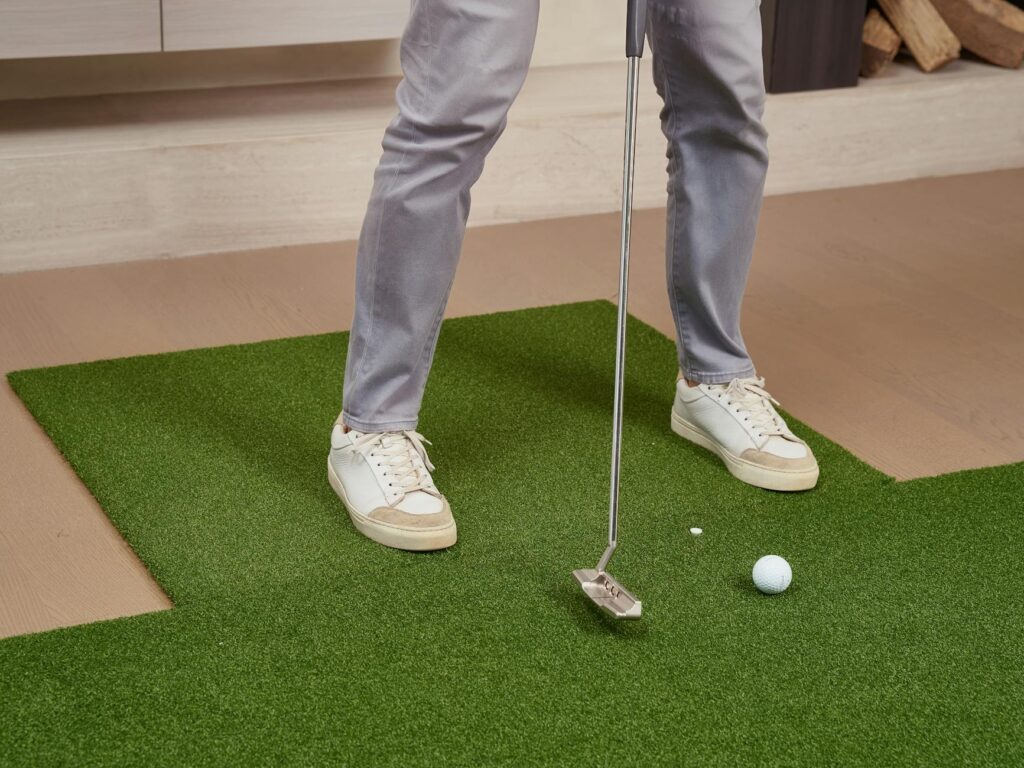
Setting Benchmarks for Success in Short Game Golf Skills
Setting measurable goals is crucial for tracking your improvement. Start by identifying specific metrics you want to achieve, such as reducing the number of strokes taken for chipping or pitching from a certain distance. For instance, aim to chip within a three-foot circle around the hole 70% of the time. By quantifying your objectives, you can more easily monitor your progress.
After each practice session or round, take a moment to reflect on your performance. Keep a journal or digital log to note down what worked well and what needs improvement. This reflection is an important part of mastering your short game golf skills, as it allows you to adjust your training strategies based on real data. Consistent tracking and honest reflection can ultimately lead to significant improvements in your game.
For more tips on enhancing your short game, consider exploring Your Perfect Putting Guide: Mastering the Greens.
Improving your short game golf skills can significantly enhance your overall performance on the course. By focusing on essential techniques like chipping and pitching, you can lower your scores and gain confidence in your abilities. Don’t forget the importance of bunker play, as mastering this aspect of your short game can save you from many potential hazards.
So, why not take the first step today? Grab your clubs and head to the practice green, dedicating some time to refine your chipping, pitching, and bunker techniques. As you incorporate these skills into your game, you’ll find that a little practice goes a long way. Embrace the challenge and watch your short game golf skills flourish!
“`html
What are the best drills for improving short game golf skills?
To improve your short game golf skills, focus on drills that enhance touch and precision. One effective drill is the “ladder drill,” where you place balls at different distances from the hole and practice chipping each one in. Another great exercise is the “clock drill,” where you set up balls around the hole at various angles and distances, aiming to sink putts from each position. These drills help develop consistency and confidence in your short game.
How can I improve my chipping technique in golf?
Improving your chipping technique involves focusing on your stance, grip, and follow-through. Start by standing with your feet close together and your weight shifted slightly forward. Use a narrow stance and keep your hands ahead of the ball. Practice using a putting stroke to control the distance and direction. Additionally, work on your visualization skills by imagining the ball’s trajectory and landing spot. Regular practice will help you develop a reliable chipping technique.
What is the difference between chipping and pitching?
Chipping and pitching are both essential components of the short game but serve different purposes. Chipping is used for shorter, low-trajectory shots that require minimal airtime, typically when you’re close to the green. Pitching, on the other hand, involves higher shots that land softly and require more control over the ball’s trajectory. Understanding the differences helps you choose the right technique based on the distance and lie of the ball.
What should I focus on for better bunker play?
To improve your bunker play, focus on your stance, club selection, and swing technique. Open your stance and clubface to help get under the ball. Practice hitting the sand a couple of inches behind the ball to create a cushion that propels the ball out of the bunker. Work on maintaining a smooth, controlled swing to ensure consistency. Regular practice in different bunker situations will enhance your confidence and skill in escaping sand traps.
How can I create an effective practice routine for my short game?
Creating an effective practice routine for your short game involves setting specific goals and incorporating a variety of drills. Start by dedicating time to chipping, pitching, and putting each session. Use a timer to practice under pressure, and vary your targets to simulate course conditions. Consider incorporating feedback tools like video analysis or a coach to refine your technique. Consistency and variety will lead to significant improvements in your short game golf skills.
What technology can I use to track my short game improvement?
To track your short game improvement, consider using golf technology such as shot tracking apps and devices. Tools like Arccos Caddie and Shot Scope provide detailed statistics on your short game performance, including chipping and putting. These technologies analyze your shots, offering insights into areas for improvement. Additionally, you can use video analysis apps to review your technique and make necessary adjustments. Regularly tracking your progress will help you stay motivated and focused on your goals.
“`