

Looking to sharpen your skills on the green? Golf practice drills are your ticket to consistent improvement, whether you’re a seasoned pro or just getting started. In this article, we’ll explore essential golf practice drills that you can easily incorporate into your daily training routine. From focused swing improvement drills to short game enhancement techniques, we’ve got you covered. Discover how to build consistency and make the most of your time on the course, ensuring every practice session counts. Plus, we’ll discuss how to evaluate your progress and adjust your drills to keep your game evolving. So, grab your clubs and get ready to transform your practice sessions into an effective tool for success!
Essential Golf Practice Drills for Daily Training
Why Daily Training is Crucial for Golfers
Consistency is key in golf. Regular practice not only helps you maintain your skills, but it also allows you to refine your technique and build muscle memory. Studies show that even short sessions of daily training can lead to significant improvement in your game. According to Golf Digest, golfers who practice consistently outperform those who only play occasionally. This is where the right golf practice drills come into play, providing structure to your training and helping to identify specific areas for improvement.
How to Structure Your Practice Sessions
To make the most of your daily training, it’s important to have a clear structure for each practice session. Here’s a simple framework to follow:
- Warm-Up (10 minutes): Start with light stretching and a few easy swings to loosen up your muscles. Consider practicing grip and stance with fundamental drills to set the stage for success.
- Skill Development (20-30 minutes): Focus on specific golf practice drills targeting your weaknesses. This could include putting, chipping, or driving. Aim for quality over quantity, five minutes on each skill can be more beneficial than an hour of aimless practice.
- Game Simulation (15-20 minutes): Incorporate improvement drills that mimic real game situations. For instance, practice your approach shots to specific targets or simulate pressure situations.
- Cool Down (5-10 minutes): Finish with a few easy swings, focusing on your form and breathing. This can help reinforce the skills you’ve practiced and provide a mental review of your session.
By structuring your practice in this way, you can ensure that your daily training is both effective and efficient, leading to continuous improvement in your overall game.

Golf Practice Drills to Improve Your Swing
Drill 1: The Slow Motion Swing Drill
The Slow Motion Swing Drill is an effective way to refine your swing mechanics. This drill encourages you to focus on your form and sequence without the distraction of speed. Here’s how to execute it:
- Set Up: Start in your normal address position. Ensure your grip and stance are correct.
- Take Your Time: Begin your backswing slowly, paying close attention to each position your body reaches.
- Feel the Motion: Transition smoothly into your downswing and follow through. Aim to maintain the smooth, deliberate pace throughout.
- Repeat: Perform 10-15 repetitions, focusing on maintaining balance and control.
Expected Outcomes: By practicing this drill regularly, you should see improved swing mechanics, better balance, and increased consistency. This drill fits well into your daily training routine and can lead to significant improvement in your overall swing performance.
Drill 2: Impact Bag Drill
The Impact Bag Drill is another essential exercise in your arsenal of golf practice drills. This drill helps you strengthen your impact position, ensuring you strike the ball with maximum efficiency. Follow these steps:
- Equipment: Set up an impact bag or a similar sturdy object at the range or in your backyard.
- Address the Bag: Position yourself as if you were addressing the golf ball, with your club aimed at the bag.
- Practice Impact: Swing towards the bag, focusing on hitting it with the correct part of the clubface. Aim to make solid contact.
- Assess Feedback: After each swing, check your body position and follow-through to ensure you’re maintaining proper technique.
Expected Outcomes: This drill will enhance your understanding of the impact position, helping you generate more power and accuracy in your shots. Incorporating this into your daily training can bring noticeable improvements to your game.

By integrating these improvement drills into your routine, you can significantly enhance your swing mechanics and overall golf performance. Consistency is key, so commit to practicing these drills regularly for the best results.
Short Game Improvement Drills to Incorporate Daily
Improving your short game is crucial for lowering your scores, and incorporating specific golf practice drills into your daily routine can make a significant difference. In this section, we’ll focus on two essential drills: the Chipping Ladder Drill and the Putting Arc Drill. These improvement drills will help enhance your accuracy and consistency around the greens.
Drill 3: Chipping Ladder Drill
The Chipping Ladder Drill is designed to develop your chipping accuracy from various distances. To set it up, place a series of targets, such as towels or hula hoops, at different distances from where you’ll be chipping. Start close and progressively move further away, aiming to land your chips within each target area.
- Tip: Use different clubs for variety. For example, practice with a pitching wedge, sand wedge, and 9-iron.
- Variation: Add a competitive element by timing how quickly you can hit each target successfully.
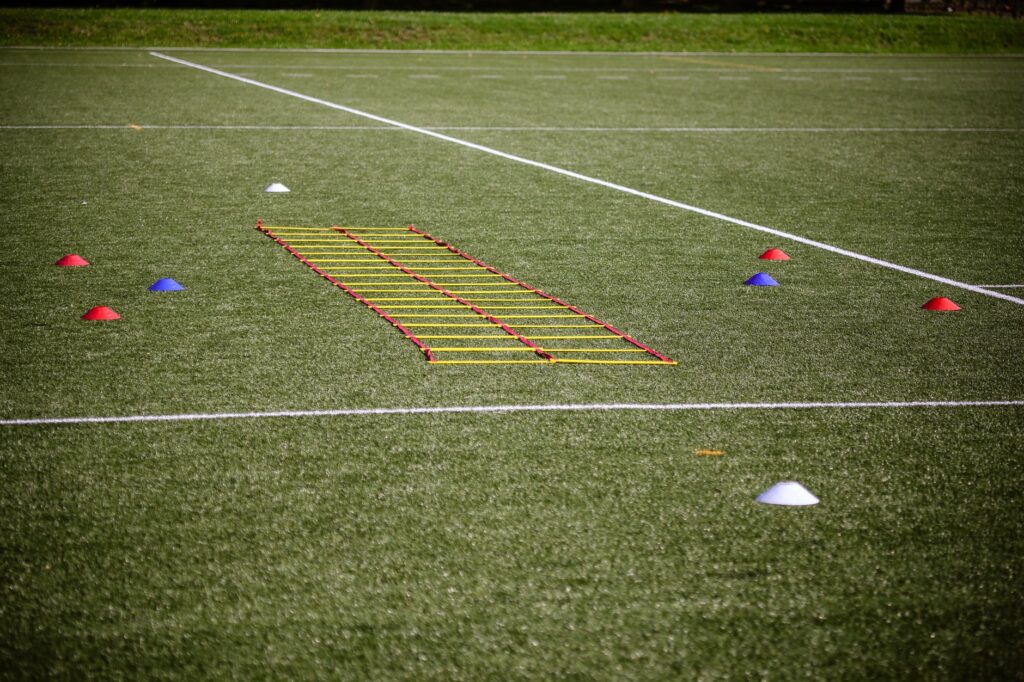
Drill 4: Putting Arc Drill
The Putting Arc Drill focuses on developing a consistent putting stroke. To perform this drill, use alignment aids such as a putting arc device or create an arc on the ground with chalk. Practice your stroke by following the arc, ensuring your putter travels along the desired path.
- Tip: Vary the lengths of your putts to simulate different on-course situations.
- Variation: Challenge yourself by adding pressure; for instance, only allow a certain number of misses before taking a break.
Incorporating these golf practice drills into your daily training can lead to noticeable improvement in your short game. Consistency and practice are key, so make these drills a part of your routine for long-lasting benefits.
Building Consistency with Golf Practice Drills
To truly improve your golf game, consistency is key. Incorporating specific golf practice drills into your daily training routine can enhance your performance on the course. Let’s explore two effective drills that focus on building consistency: The 100-Yard Challenge and the Target Practice Drill.
Drill 5: The 100-Yard Challenge
The 100-Yard Challenge is an excellent drill for honing your approach shots. Start by selecting a target 100 yards away, such as a flag or a specific spot on the green. Here’s how to set it up:
- Equipment: Use a pitching wedge or nine iron to practice.
- Setup: Mark off your distance with a measuring device or range finder.
- Execution: Hit 10 shots, aiming for the target. Focus on your stance, grip, and swing mechanics.
Track how many shots land close to the target. This drill not only improves your distance control but also builds confidence in your approach game. Aim for better consistency each session, and over time, you’ll notice a marked improvement in your performance.
Drill 6: Target Practice Drill
The Target Practice Drill is designed to sharpen your accuracy with full swings. Choose multiple targets on the range, each at varying distances. Here’s how to execute this drill:
- Setup: Place targets at different ranges, from 50 to 150 yards.
- Execution: Alternate between clubs, hitting a few shots at each target. Focus on maintaining your rhythm and alignment.
As you practice, pay attention to your follow-through and ensure you’re finishing each swing squarely. This drill emphasizes the importance of accuracy, helping you to become more consistent with your full swings. Regularly incorporating these improvement drills into your routine will yield noticeable benefits over time.

By dedicating time to these golf practice drills, you’ll build the consistency needed to elevate your game and lower your scores. Remember, practice makes perfect, so make these drills a part of your daily training schedule.
Evaluating Progress and Adjusting Your Drills
Improvement in golf is not just about repeating the same golf practice drills day in and day out. To truly enhance your skills, you need to evaluate your progress and be willing to adjust your approach. By tracking your improvement and knowing when to change your drills, you can keep your daily training both effective and interesting.
How to Track Your Improvement
Monitoring your progress is vital in any sport, and golf is no exception. One effective method is to keep a performance journal where you can record your scores, the specific drills you’ve practiced, and any patterns you notice. This not only helps you see your progress over time but also allows you to identify areas needing more focus.
Alternatively, consider utilizing golf performance apps. Many apps offer features like video analysis, shot tracking, and personalized coaching tips. These tools can provide valuable insights into your swing mechanics and overall performance. For example, platforms like GolfTEC and Arnie’s Golf can help you analyze your strengths and weaknesses effectively.
When to Change Up Your Golf Practice Drills
Recognizing when it’s time to switch up your drills is crucial for continued improvement. If you find that you’re consistently hitting the same scores or struggling with particular aspects of your game, it may be time to introduce new improvement drills. This can prevent boredom and stimulate new learning.
Another indicator that it’s time for a change is if you notice diminishing returns from your current routine. If you’re practicing diligently but not seeing results, it could be a sign that your current approach has become stale. Experimenting with different drills can reignite your enthusiasm and lead to breakthroughs in your performance.
Incorporating variety in your practice not only keeps things fresh but can also challenge your skills in new ways. Try out drills that focus on different aspects of your game, whether it’s putting, chipping, or full swings. This diversity can lead to more well-rounded improvement and greater enjoyment of the game.

By actively tracking your performance and being open to adjusting your training regimen, you’ll be better positioned for sustained improvement in your golf game. Remember, the goal is not just to practice, but to practice wisely.
Incorporating golf practice drills into your daily training routine is essential for any golfer aiming to enhance their skills. These improvement drills not only sharpen your technique but also build muscle memory, allowing you to perform better under pressure. Remember, consistent practice is the key to progress, so don’t hesitate to set aside time each day to focus on these valuable exercises.
Now that you have a selection of effective golf practice drills at your fingertips, it’s time to take action. Choose one or two drills that resonate with you and commit to practicing them regularly. Track your progress, and you’ll soon see the benefits on the course. It’s all about creating habits that lead to improvement, so make daily training a priority, and watch your game transform.
“`html
What are the best golf practice drills for beginners?
For beginners, essential golf practice drills include the grip and stance drill, which focuses on proper hand placement and body alignment. Additionally, the half-swing drill helps develop control and accuracy. Chipping drills using cones or targets can enhance your short game. Lastly, putting drills that emphasize distance control and alignment can significantly benefit beginners. Consistency in practicing these drills daily will lead to noticeable improvements over time.
How often should I practice golf drills?
Ideally, you should practice golf drills at least three to four times a week for effective improvement. Daily training is beneficial, even if it’s just for 30 minutes, focusing on specific skills each day. Consistent practice helps reinforce muscle memory and builds confidence on the course. Remember, quality is more important than quantity, so ensure you are focused during each practice session.
What are some effective daily training routines for golfers?
An effective daily training routine can include a mix of driving range sessions and short game practice. Start with 15-20 minutes of stretching and warm-up exercises. Follow this with 30 minutes of hitting practice, focusing on different clubs. Spend another 30 minutes on chipping and putting drills. Incorporating strength and flexibility workouts a few times a week can also enhance overall performance, leading to significant improvement.
Can golf practice drills help with consistency?
Yes, golf practice drills are vital for achieving consistency. They help golfers develop muscle memory, improve swing mechanics, and refine their short game. By regularly practicing specific drills, you can reinforce proper techniques and minimize errors during play. Consistency in your practice routine translates to more reliable performance on the course, helping you maintain focus and confidence during your rounds.
How can I improve my short game with drills?
To improve your short game, focus on drills that enhance chipping, pitching, and putting. For chipping, practice hitting to various targets from different lies to build versatility. Pitching drills can involve using a specific club and aiming for a target area. Incorporating putting drills that emphasize distance control and alignment will also sharpen your skills. Consistent practice with these drills can lead to significant improvements in your short game performance.
What drills should I focus on for putting improvement?
For putting improvement, focus on drills that enhance your alignment and distance control. The ‘gate drill’ is excellent for ensuring your putter travels straight through the ball. The ‘clock drill’ helps with distance control by putting from various distances around the hole. Additionally, practicing with a metronome can improve your rhythm. Consistent practice of these putting drills will lead to more confidence and accuracy on the greens.
“`