

Understanding the impact of UV rays on golf performance is essential for every golfer who loves to hit the greens under the sun. While enjoying your game, it’s crucial to remember that prolonged exposure to UV rays can affect not only your health but also your ability to perform at your best. In this article, we’ll explore key golf health tips for playing golf in the sun, ensuring you stay safe while maximizing your game. We will dive into the importance of golf safety in UV conditions, highlighting ways to protect your skin and eyes from harmful rays. Additionally, we’ll provide practical steps to optimize your game under UV rays, so you can focus on your swing rather than worrying about sun damage. Whether you’re a seasoned pro or a weekend warrior, understanding these factors can enhance your performance and enjoyment on the course. Ready to take your golf game to the next level while staying safe? Let’s get started!
The Impact of UV Rays on Golf Performance
How UV Rays Affect Your Body
When you’re out on the golf course, the sun can be your best friend and your worst enemy. Prolonged exposure to UV rays can lead to skin damage, including sunburn and long-term risks such as skin cancer. But the effects go beyond skin health. UV rays can also contribute to fatigue, making you feel drained when you should be focusing on your game. This fatigue can stem from dehydration or heat exhaustion, both of which can severely impact your overall stamina on the course.
Additionally, as your body works to cope with the heat and UV exposure, your concentration may wane. Impaired focus means missed putts, errant drives, and an overall decline in performance. A study from the National Institutes of Health highlights that excessive UV exposure can lead to cognitive impairment, affecting decision-making skills crucial for golfers. Therefore, understanding how UV rays golf performance is interlinked is vital for any serious player.
The Connection Between UV Rays and Performance
The physiological effects of UV rays extend beyond just skin damage. When your body is under stress from the sun, it diverts energy to vital functions, leaving less available for maintaining your stamina and focus. For instance, a study published by the American College of Sports Medicine found that heat and UV exposure can lead to decreased endurance and increased perceived effort, meaning you might feel like you’re working harder than usual during your round.
To mitigate these effects, it’s essential to implement some golf health tips. Staying hydrated, taking breaks in the shade, and applying sunscreen regularly can help maintain your performance levels. Remember, when playing golf in the sun, your body requires extra care and attention to keep fatigue and focus issues at bay. Prioritizing golf safety measures not only protects your skin but also enhances your overall game.
the impact of UV rays on golf performance is significant. By understanding these effects and taking proactive steps, you can enjoy a better game while safeguarding your health.
Golf Health Tips for Playing in the Sun
Golfing is a fantastic way to enjoy the great outdoors, but it comes with its challenges, especially when it comes to UV rays and golf performance. The sun’s harmful rays can not only affect your skin but also your overall game. Here are some essential golf health tips to keep in mind while playing golf in the sun.
Essential Sun Protection Strategies
To protect yourself from UV rays while enjoying a round of golf, consider these strategies:
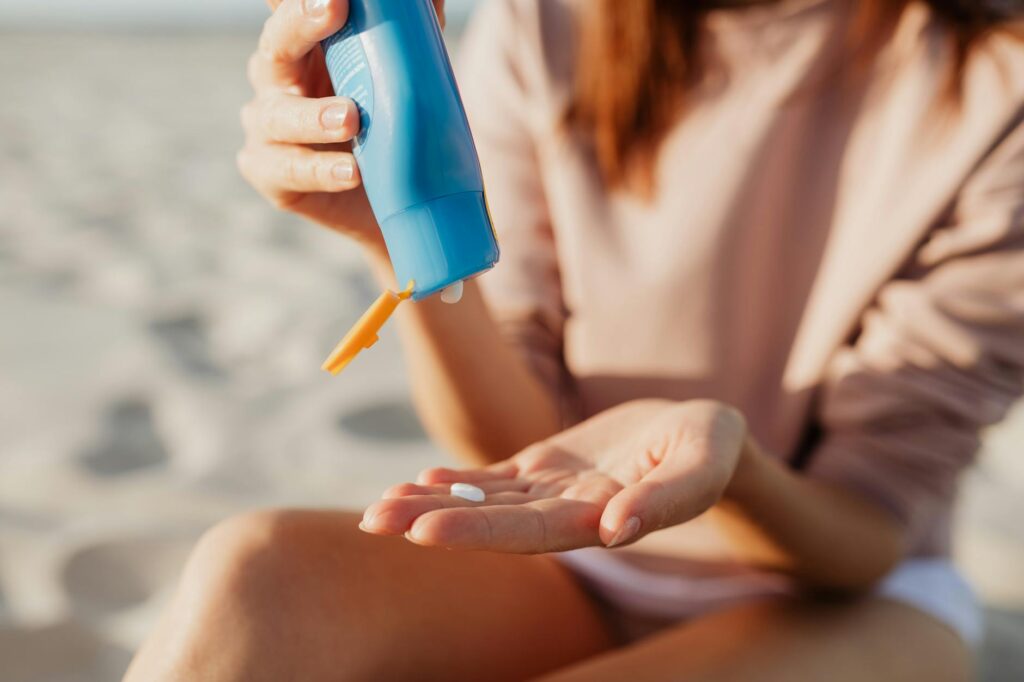
- Sunscreen: Apply a broad-spectrum sunscreen with an SPF of at least 30, and reapply every two hours, especially after sweating or swimming. This is crucial for maintaining skin health and enhancing your UV rays golf performance.
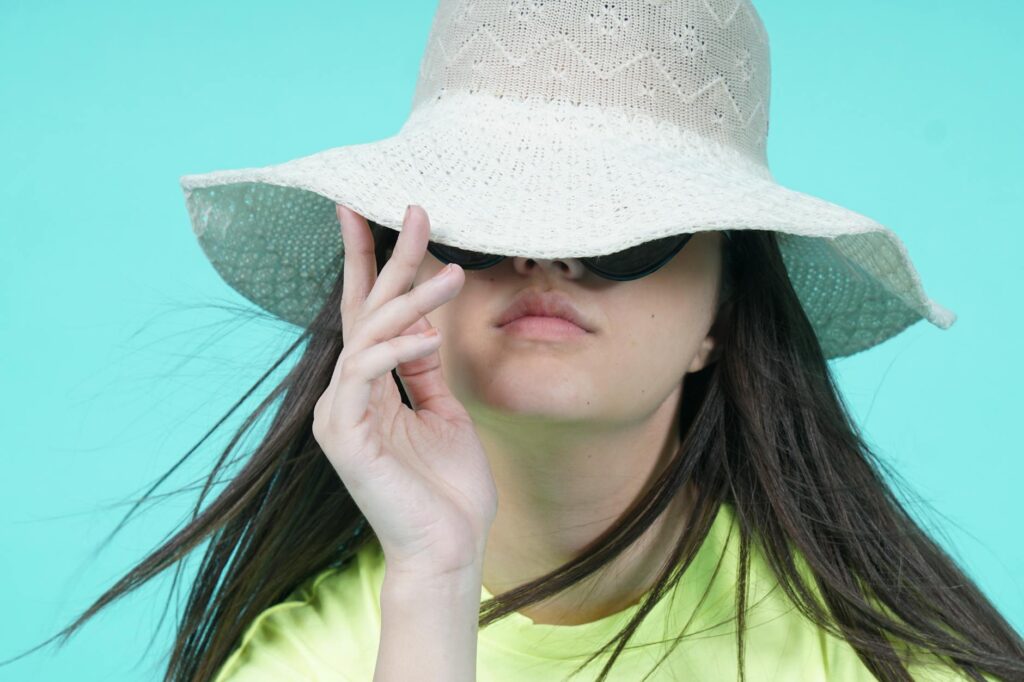
- Protective Clothing: Wear lightweight, long-sleeved shirts and pants made from UV-blocking fabrics. A wide-brimmed hat and UV-protective sunglasses can also shield your face and eyes.
- Timing Your Play: If possible, schedule your tee times in the early morning or late afternoon when UV rays are less intense. This will not only help reduce your risk of sunburn but also improve your overall comfort during the game.
Hydration and Nutrition Considerations
Staying hydrated and properly nourished is vital when playing golf in the sun. Here’s how to do it:
- Hydration: Drink plenty of water before, during, and after your game. Aim for at least 8 ounces of water every hour, or more if it’s particularly hot. Consider sports drinks that replenish electrolytes if you’re sweating heavily.
- Nutrition: Eat a balanced meal before hitting the course, focusing on complex carbohydrates and protein to fuel your energy levels. Snacks like nuts, fruits, or energy bars can provide a quick energy boost and help maintain stamina throughout your round.
By following these golf health tips, you can enjoy your game while minimizing the impact of UV rays on your golf performance. For more information on how to enhance your game safely, check out The Science of Golf Swing Weather Effects.

Understanding Golf Safety in UV Conditions
When it comes to UV rays golf performance, understanding how to manage your exposure is crucial for both your health and your game. Golfers spend prolonged hours outdoors, making awareness of UV index levels and the best times to play essential for minimizing harmful exposure. Let’s dive into some practical tips to ensure you stay safe while enjoying your time on the course.
Best Times to Play
The sun’s rays are strongest between 10 AM and 4 PM. During this timeframe, the UV index often reaches its peak, significantly increasing the risk of skin damage. To maintain your golf health while playing golf in the sun, try scheduling your tee times either early in the morning or later in the afternoon. Not only can you reduce your exposure to harmful UV rays, but you may also enjoy a more comfortable temperature, making your game more enjoyable.
Recognizing UV Index Levels
Understanding the UV index is key to enhancing UV rays golf performance. The UV index is a scale that indicates the strength of sun’s ultraviolet radiation on a given day, ranging from 0 (minimal risk) to 11+ (extreme risk). You can easily check the UV index for your location by visiting websites like weather.gov or using weather apps on your smartphone.
Here’s a quick guide to interpreting the UV index:
- 0-2: Low risk, minimal precautions needed.
- 3-5: Moderate risk; wear sunscreen and protective clothing.
- 6-7: High risk; seek shade during midday and use SPF 30 or higher.
- 8-10: Very high risk; reduce sun exposure, wear protective clothing, and apply broad-spectrum sunscreen.
- 11+: Extreme risk; avoid the sun as much as possible.
By staying informed about the UV index and adjusting your playing schedule accordingly, you can significantly enhance your overall golf safety. Remember, protecting your skin should be a priority, not just for today but for a lifetime of enjoyable golf.
For more tips on how to stay safe while playing golf in the sun, consider checking out our comprehensive guide on golf health tips. Staying educated is a powerful tool in ensuring your longevity in the sport!
Practical Steps to Optimize Your Game Under UV Rays
Playing golf in sun can be enjoyable, but the impact of UV rays on golf performance shouldn’t be overlooked. To enhance your game while maintaining your health, consider these practical steps focusing on equipment choices and mental strategies.
Equipment Choices for Sun Protection
First and foremost, invest in quality equipment designed for sun protection. A UV-protective hat is essential; it not only shields your face and neck from harmful rays but also helps keep you cool. Look for hats with a wide brim and a UPF (Ultraviolet Protection Factor) rating for optimal coverage. Pair your hat with a good pair of polarized sunglasses to protect your eyes. These glasses reduce glare, allowing you to see the ball better and focus on your game. Additionally, consider using UV-blocking clothing, which can significantly reduce skin exposure to harmful rays. Many brands now offer golf-specific apparel that combines style with functionality.
- UV-protective hats: Choose wide-brimmed styles with UPF ratings.
- Polarized sunglasses: Look for options that reduce glare and enhance visibility.
- UV-blocking clothing: Opt for golf apparel designed to shield against UV rays.
Maintaining Focus Despite UV Rays Impact on Golf Performance
While physical protection is crucial, mental strategies are equally important for maintaining focus during a round. UV rays can cause distractions, from discomfort due to heat to concern over sunburn. To combat this, practice mindfulness techniques before and during your game. Take a moment to center yourself with deep breathing exercises, allowing you to clear your mind and focus on your swing. Visualizing successful shots can also help keep your mind sharp and your performance consistent, despite the sun’s distractions. Additionally, establishing a routine before each hole can help solidify your focus and maintain your mental edge.
Lastly, remember that golf health tips extend beyond just physical preparation. Stay hydrated, as sun exposure can lead to fatigue and decreased performance. Keep a water bottle handy and take regular sips to stay refreshed. By combining these practical steps, you can optimize your game while safely navigating the challenges posed by UV rays.
Implementing these strategies will not only enhance your enjoyment of the game but also contribute to your overall golf safety. The right equipment and mental preparedness can make a significant difference in how you perform, especially when dealing with UV rays and their impact on golf performance. For more in-depth advice, check out our other resources on The Temperature Effects on Your Golf Swing Performance.
Understanding how UV rays impact golf performance is crucial for any golfer looking to enhance their game while prioritizing health. The effects of prolonged exposure to sunlight can influence not only your energy levels but also your overall well-being. By following some essential golf health tips, such as wearing protective clothing and using sunscreen, you can enjoy playing golf in the sun without compromising your performance.
Implementing effective golf safety measures is key to a successful round. Remember to stay hydrated, take breaks in the shade, and keep an eye on the UV index before heading out. With these strategies, you can mitigate the risks associated with UV rays, ultimately helping you focus on your game and enjoy the sport you love. So, the next time you hit the course, be mindful of the sun and take proactive steps to protect yourself while maximizing your golf performance.
“`html
How do UV rays affect golf performance?
UV rays can significantly impact golf performance by affecting visibility and causing fatigue. Prolonged exposure to UV rays can lead to sunburn and dehydration, both of which can distract players and hinder their focus on the game. Additionally, UV rays can affect physical stamina and overall comfort, making it crucial for golfers to manage their exposure while playing.
What are some golf health tips for playing in the sun?
When playing golf in the sun, it’s essential to wear sunscreen with a high SPF to protect against UV rays. Opt for lightweight, breathable clothing and a wide-brimmed hat for additional protection. Staying hydrated is also critical; drink plenty of water before, during, and after your game. Using sunglasses with UV protection can help shield your eyes from harmful rays while enhancing visibility on the course.
What safety measures should I take when playing golf under UV rays?
To ensure safety while playing golf under UV rays, always apply a broad-spectrum sunscreen to exposed skin before heading out. Reapply every two hours, especially if sweating. Seek shade during breaks, wear UV-protective clothing, and consider a golf umbrella for extra coverage. Be aware of peak sun hours, typically from 10 a.m. to 4 p.m., and adjust your playtime accordingly to minimize exposure.
How can I protect myself from UV rays while golfing?
To protect yourself from UV rays while golfing, wear a high-SPF sunscreen and reapply it regularly. Choose UV-blocking sunglasses and a hat with a brim to shield your face and neck. Additionally, you can opt for UPF-rated clothing designed to block UV rays. Staying in the shade during breaks and scheduling your tee times outside peak sun hours can further minimize exposure.
What is the best time of day to play golf to avoid UV exposure?
The best time to play golf to avoid high UV exposure is early in the morning or later in the afternoon. UV rays are strongest between 10 a.m. and 4 p.m. Playing during off-peak hours minimizes your exposure while still allowing you to enjoy the game. If you must play during peak hours, ensure you are well-protected with sunscreen and appropriate clothing.
How does hydration impact golf performance on sunny days?
Hydration plays a critical role in golf performance, especially on sunny days. Dehydration can lead to fatigue, reduced concentration, and impaired physical ability, all of which can negatively affect your game. Drinking water consistently helps maintain energy levels and cognitive function, allowing you to stay focused and perform at your best. Aim to drink water before, during, and after your round to stay hydrated.
“`