
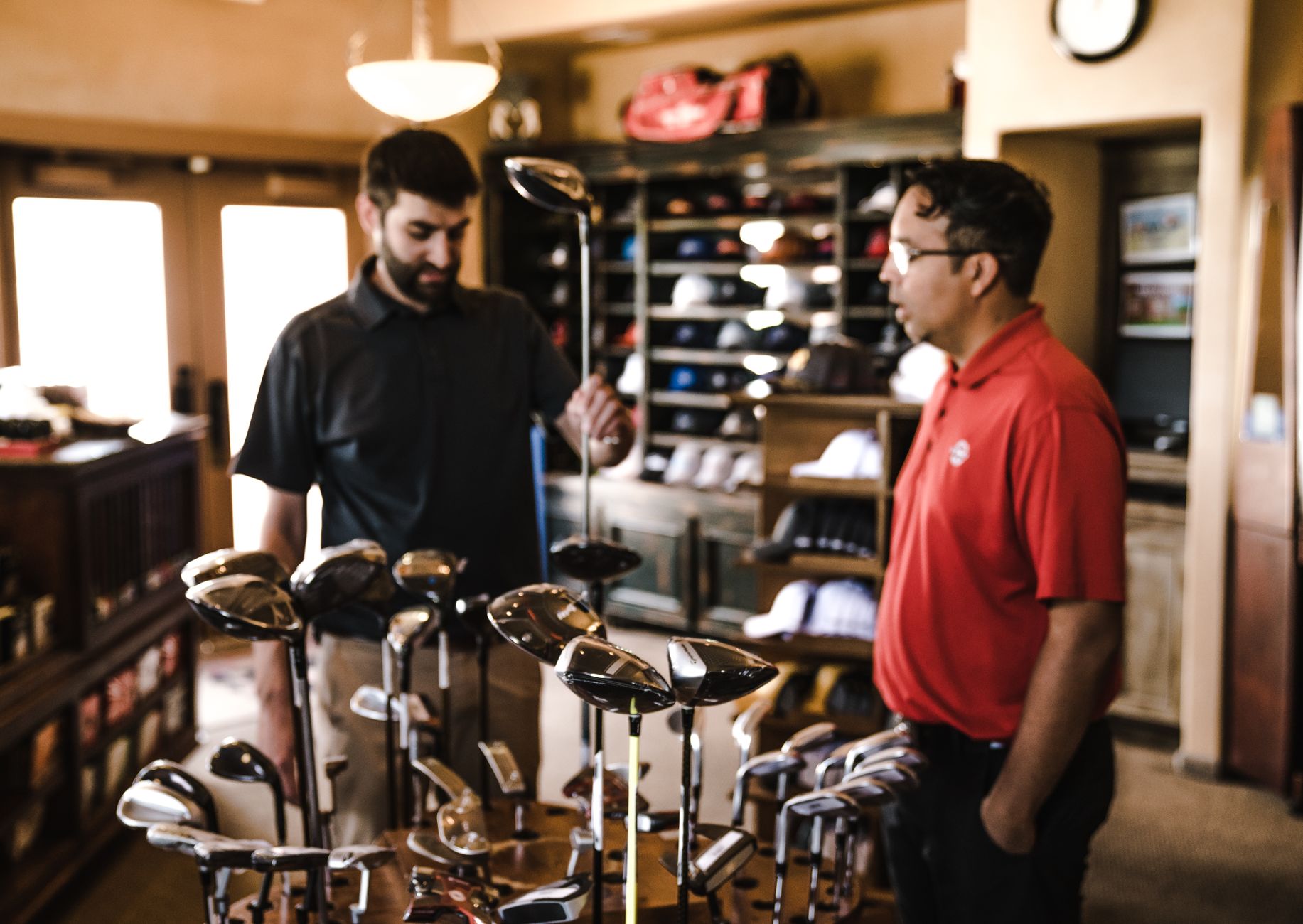
Golf club fitting is an essential step for anyone looking to improve their game, especially for beginners. When you have the right clubs tailored to your unique swing, you can enhance both your performance and enjoyment on the course. This fitting guide will help you understand why golf club fitting matters, walk you through the fitting process, and explain how to select the right equipment, including custom clubs versus standard options. We’ll also cover how to prepare for your golf club fitting and the importance of maintaining your custom fitted clubs to ensure they serve you well for years to come. Whether you’re just starting or looking to refine your golf setup, understanding the basics of fitting will set you on the right path. Ready to dive into the world of personalized golf equipment? Let’s get started!
Why Golf Club Fitting Matters
Understanding the Basics of Golf Club Fitting
Golf club fitting is a critical step for any golfer looking to improve their game. It involves adjusting the specifications of the clubs to suit an individual’s unique swing characteristics and physical attributes. Unlike off-the-shelf clubs, which are designed for a broad range of players, custom clubs are tailored to your specific needs. This process can significantly enhance your golf setup, allowing for better accuracy, distance, and overall performance on the course.
Many beginners might think that simply picking up a set of clubs will suffice, but the reality is that proper golf club fitting can make a substantial difference. Factors such as shaft length, grip size, and clubhead design all play a role in how effectively you can hit the ball. When you get fitted, a professional will take these elements into account, ensuring that your clubs complement your natural swing.
Benefits of Getting Fitted for Custom Clubs
The benefits of a proper golf club fitting extend beyond just improved performance. Here are some key advantages:
- Enhanced Comfort: Custom clubs can reduce strain on your body during play, making the game more enjoyable.
- Consistency: A well-fitted club promotes a more consistent swing, leading to better ball striking and improved scores.
- Increased Confidence: Knowing that your equipment is tailored to you can give you the confidence needed to perform at your best.
Incorporating golf club fitting into your routine can be a game-changer. It’s not just about making adjustments; it’s about understanding your unique swing and allowing that knowledge to guide your choices. If you’re serious about improving your game, investing in a fitting guide or working with a professional fitter could be one of the best decisions you make.
The Golf Club Fitting Process
What to Expect During a Fitting
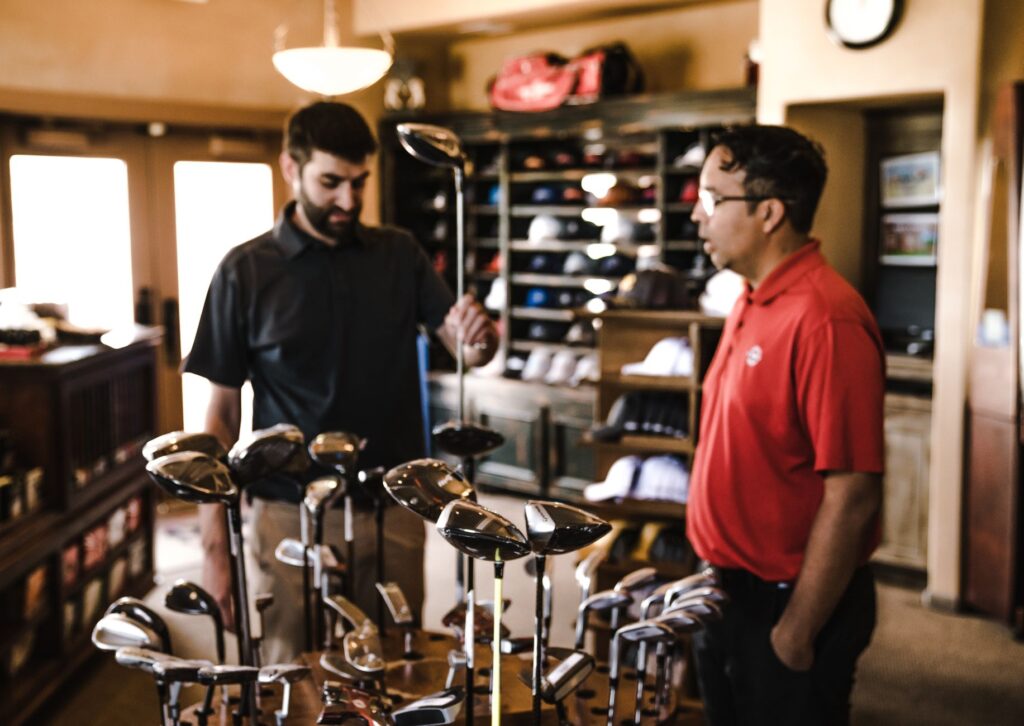
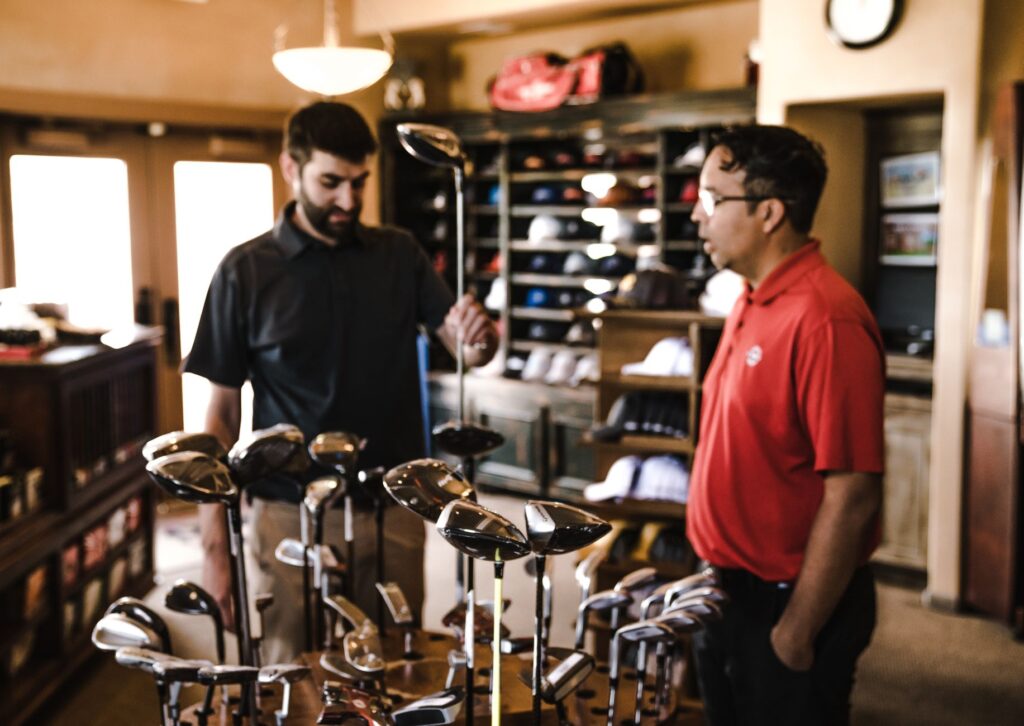
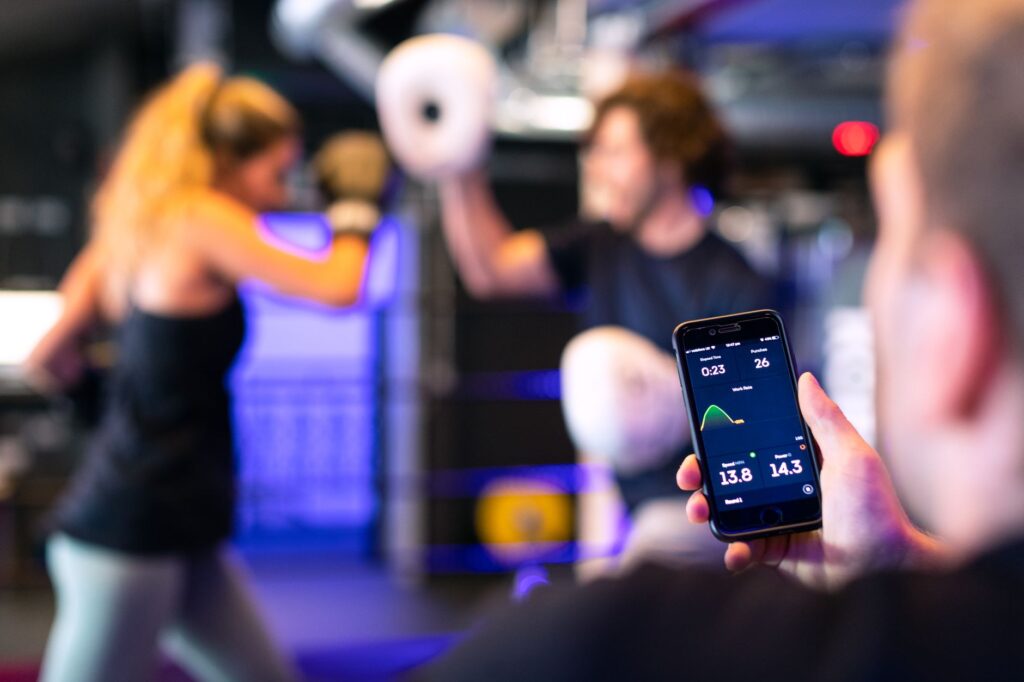
Understanding the golf club fitting process can significantly enhance your game. When you arrive for a fitting, expect a comprehensive evaluation of your current golf setup. A professional fitter will assess your swing, using technology to measure key metrics such as swing speed, launch angle, and ball flight characteristics. This data is crucial in determining the optimal specifications for your clubs.
You’ll likely start with an interview to discuss your playing style, skill level, and specific goals. Then, the fitter will analyze your current clubs and ask you to hit a few shots. This allows them to gather data on your performance, which sets the stage for tailoring custom clubs to your needs.
Key Measurements and Adjustments for Golf Club Fitting
During the fitting, several key measurements will be taken to ensure your clubs are perfectly suited for you:
- Club Length: The right length affects your posture and swing. Clubs that are too long or too short can lead to inconsistent shots.
- Lie Angle: This angle impacts how the club interacts with the ground at impact. A proper lie angle will help you achieve more accurate shots.
- Grip Size: A grip that is too small or large can hinder your control. Customizing grip size will enhance your feel and performance.
- Swing Speed: Your swing speed influences the shaft flex and weight needed for optimal performance. Faster swings may require stiffer shafts, while slower swings benefit from more flexible options.
These measurements are integral to a successful golf club fitting and can significantly enhance your overall performance on the course. Understanding how each factor influences your game is key to improving your skills and enjoyment of the sport. For more detailed insights on the fitting process, refer to our complete fitting guide.
Selecting the Right Equipment: Custom Clubs vs. Standard
When to Choose Custom Clubs
Choosing between custom clubs and standard options can be a pivotal decision for any golfer, particularly beginners. While standard clubs are a great starting point, custom clubs can enhance your performance if you’re serious about improving your game. Custom fitting allows for adjustments to length, lie angle, and grip size, which can significantly affect your golf setup.
However, custom clubs come at a price. If you are just beginning and don’t play frequently, it may be wise to invest in a quality set of standard clubs first. Many beginners find that as they improve, they become more aware of their specific needs, making custom fitting a more valuable investment later on. When you begin to play regularly and are committed to enhancing your skills, that’s when golf club fitting can really pay off.
Evaluating Your Skill Level for Fitting
Your skill level is a crucial factor in determining whether you should pursue custom clubs. Beginners typically benefit from focusing on fundamentals rather than equipment. It’s essential to develop a solid foundation before diving into the specifics of club fitting. According to Golf Digest, many amateur players don’t require custom clubs until they reach a specific level of consistency in their game.
Consider your budget, frequency of play, and commitment to improvement. If you envision spending many weekends on the course and are eager to lower your scores, investing in custom clubs may be justified. For those still finding their footing in the sport, sticking with standard options may be more practical until you determine your long-term golfing goals.
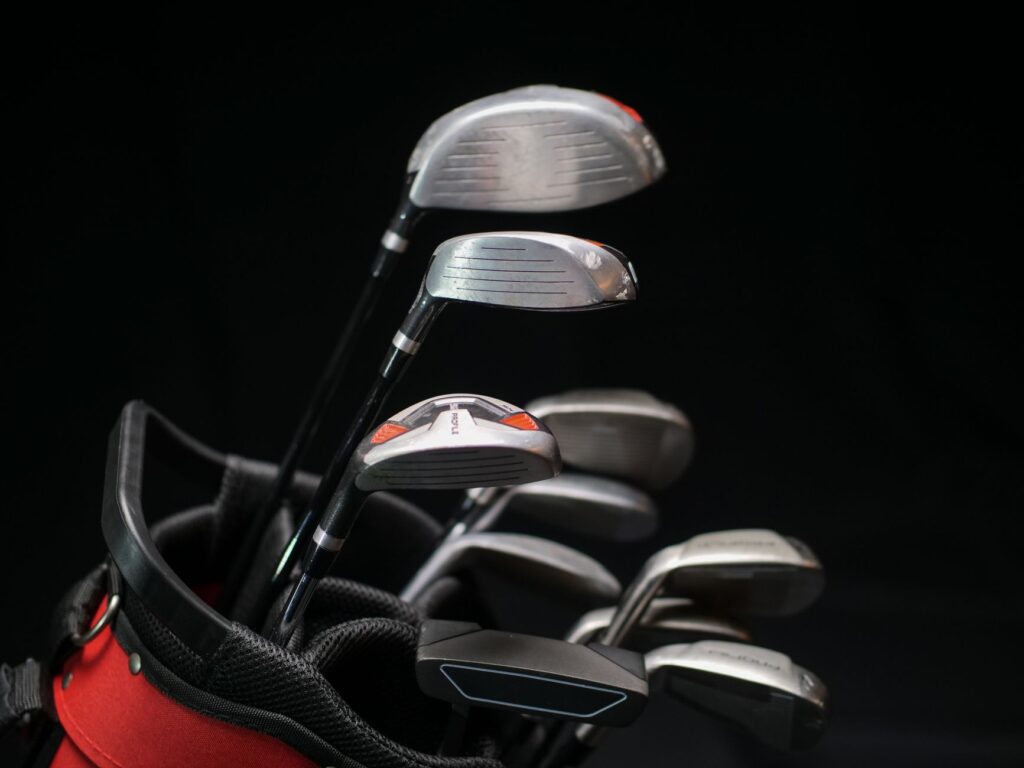
Ultimately, the decision between custom clubs and standard options comes down to your commitment and future aspirations in golf. For a detailed exploration of fitting options, refer to our comprehensive fitting guide to help you make the best choice for your game.
How to Prepare for Your Golf Club Fitting
What to Bring to Your Fitting
Preparing for your golf club fitting is essential for the best results. Here’s what you should bring:
- Your Existing Clubs: Bringing your current clubs allows the fitter to assess what you like and dislike about them. This can help guide recommendations for your new set or custom clubs.
- Comfortable, Appropriate Attire: Wear clothing and shoes you would typically use while playing. This will help you feel at ease during the fitting process and allow for a more accurate evaluation of your golf setup.
- Golf Balls: If you have a preferred brand or type of ball, bring a sleeve along. This ensures the fitting reflects your usual playing conditions.
- An Open Mind: Be prepared to consider different setups and recommendations from your fitter. They can offer insights that might surprise you!
Tips for a Successful Golf Club Fitting Experience
To make the most of your golf club fitting, focus on these key tips:
- Be Ready to Swing: Warm up before your fitting. A few practice swings will help you settle in and showcase your natural swing technique.
- Communicate: Share your goals, any past issues with clubs, and what you’re looking to improve. This feedback is invaluable for your fitter.
- Stay Patient: Fittings can take time, especially if you’re trying multiple options. Enjoy the process and trust your fitter’s expertise.
Following these guidelines will help you have a fruitful fitting experience, setting you on the path to enhancing your game with the right equipment.
Maintaining Your Custom Fitted Clubs
Once you’ve experienced the benefits of golf club fitting, it’s essential to maintain those custom clubs to ensure they perform at their best. Just as you would keep a finely tuned car in optimal condition, your golf setup requires regular checks and adjustments to maintain performance.
Regular Checks and Adjustments
Start by routinely inspecting your clubs for any signs of wear and tear. Check the grips for fraying or slickness, as worn grips can significantly affect your swing. Regularly cleaning your clubs can also help maintain their condition, as dirt and debris can affect performance. Additionally, consider having your loft and lie angles checked annually or whenever you notice a change in ball flight or distance. These adjustments can keep your custom clubs aligned with your swing mechanics and playing style.
- Inspect grips for wear every few months.
- Clean clubs after each round to remove dirt and debris.
- Check loft and lie angles at least once a year.
When to Revisit the Golf Club Fitting Process
As you progress in your game, your physical condition and skill level may change, necessitating a revisit to the fitting process. If you’ve experienced significant changes in your swing speed, strength, or even weight, it’s time to reassess your custom clubs. A good rule of thumb is to consider getting refitted every few years or after any major changes in your game or body. By staying attuned to your evolving needs, you can ensure that your golf setup continues to support your performance on the course.
Maintaining your fitted clubs and knowing when to revisit the fitting process can make a substantial difference in your game. Regular upkeep not only prolongs the life of your equipment but also enhances your enjoyment and success on the course.
Conclusion: Taking the Next Steps in Your Golf Journey
Investing in golf club fitting is one of the most impactful decisions you can make to enhance your game. Properly fitted clubs can lead to improved accuracy, consistency, and overall enjoyment on the course. Understanding your unique swing characteristics and body measurements is crucial to finding the right golf setup that complements your style of play.
With the insights gained from this fitting guide, you’re now equipped to approach a fitting session with confidence. Be sure to communicate openly with your fitter about your goals and any challenges you face. This collaboration will help tailor the experience to your specific needs, ultimately leading to the ideal custom clubs that can elevate your performance.
Remember, golf is a journey of continuous improvement. Stay committed to refining your skills and engaging with the right tools. Regular fittings, especially as you develop your game, can help you adapt to changes in your swing and physical condition. Consider scheduling a fitting session every couple of years to ensure your equipment remains optimized for your evolving abilities.
As you take these next steps, keep in mind that the right equipment is only part of the equation. Dedicate time to practice, learn from each round, and enjoy the process. Your investment in golf club fitting will pay dividends in both your performance and enjoyment of the game.
Understanding the basics of golf club fitting is essential for any beginner looking to improve their game. Custom clubs tailored to your unique swing characteristics can make a significant difference in your performance on the course. With the right golf setup and a solid fitting guide, you can elevate your playing experience, ensuring that each club feels just right in your hands.
As you embark on your journey to find the perfect golf clubs, remember that investing time in a proper fitting is well worth it. Whether you visit a professional fitter or explore options at your local pro shop, take the opportunity to learn about your swing dynamics and preferences. This knowledge will not only enhance your enjoyment of the game, but will also help you make informed decisions about your equipment. So grab your clubs and schedule your fitting session; your best game awaits!
“`html
What is golf club fitting?
Golf club fitting is the process of determining the right specifications for your golf clubs based on your individual swing characteristics and physical attributes. This personalized fitting can involve analyzing your swing speed, height, and grip size to ensure that the clubs you use enhance your performance on the course. A proper fitting can lead to improved accuracy, distance, and overall enjoyment of the game.
How do I know if I need custom clubs?
If you consistently struggle with your accuracy or feel uncomfortable with your current clubs, you might benefit from custom clubs. Signs that you may need a fitting include hitting the ball off-center, frequent slice or hook, or if your clubs feel too heavy or light. A golf club fitting can help identify these issues and provide tailored solutions to enhance your game.
What should I expect during a golf club fitting?
During a golf club fitting, an expert will assess your swing mechanics and physical measurements. You will likely undergo a series of tests using different clubs and shafts to analyze your performance. Expect to hit various shots, and the fitter will use technology like launch monitors to gather data on your ball flight and club performance. This information will help them recommend the best specifications for your clubs.
How does golf club fitting improve my game?
Golf club fitting improves your game by ensuring that your clubs match your unique swing characteristics and physical build. Properly fitted clubs can lead to better ball contact, increased distance, and enhanced accuracy. Additionally, using clubs that feel comfortable and suit your style can boost your confidence and enjoyment while playing, ultimately leading to better scores on the course.
Can beginners benefit from custom club fitting?
Yes, beginners can greatly benefit from custom club fitting. While they may still be developing their swing, having clubs that suit their height, strength, and skill level can make a significant difference in their learning process. Properly fitted clubs can help beginners achieve better results, avoid frustration, and enjoy the game more, facilitating a smoother transition into a more skilled player.
How often should I get my clubs fitted?
It is generally recommended to get your clubs fitted every one to two years or whenever you experience significant physical changes, such as weight loss or gain, or changes in your swing mechanics. If you feel your performance has declined or if you are trying new techniques, a fitting can help assess whether your clubs are still the best match for your evolving game.
“`