

Understanding golf handicap explained is essential for anyone looking to improve their game and enjoy the sport more fully. Whether you are a seasoned player or just starting with the basics of beginner golf, grasping the concept of golf scoring through the handicap system can significantly enhance your experience on the course. This article will break down the intricacies of the golf handicap system, how it works, and how it can level the playing field for golfers of all skill levels. We will cover golf basics to help you get started with handicaps, address common misconceptions about golf handicaps explained, and provide insights into how this system can benefit your game. If you’re curious about how to calculate your handicap or want to learn more about its importance in competitive play, you’ve come to the right place. Let’s tee off on this journey to demystify the golf handicap system!
Understanding Golf Handicap Explained: A Simple Overview
What is a Golf Handicap?
A golf handicap is a numerical measure of a golfer’s potential ability, designed to level the playing field among players of varying skill levels. In simple terms, it provides a way for golfers to compete fairly, regardless of their experience or skill. The lower the handicap, the better the player. This system is crucial for both beginner golf enthusiasts and seasoned players, as it allows them to gauge their performance and improve over time. The calculation involves analyzing the golfer’s previous scores and the difficulty of the courses played, using a specific handicap system that adheres to guidelines set by official golf organizations. 
Why is a Handicap Important?
The importance of a golf handicap cannot be overstated. It fundamentally changes the way we approach golf scoring by enabling players of different abilities to compete head-to-head. Imagine a beginner golfer facing off against a seasoned pro; without a handicap, the match would hardly be fair. The handicap system allows the beginner to receive strokes based on their skill level, making the game enjoyable and competitive for everyone involved.
Additionally, for experienced players, maintaining a handicap serves as a benchmark for improvement. It motivates golfers to work on their skills, aiming to lower their handicap over time. This creates a culture of continuous improvement and friendly competition, which is at the heart of golf’s charm.
However, some may argue that relying on handicaps can lead to complacency, especially for those who might not push themselves to improve if they rely too heavily on their numbers. While this concern is valid, the benefits of a well-structured handicap system far outweigh the drawbacks. After all, the primary goal of golf is to enjoy the game while fostering a sense of community and sportsmanship.
The Golf Handicap System: How It Works
Golf Handicap Explained: Calculating Your Handicap
The golf handicap system is designed to level the playing field, allowing golfers of varying skill levels to compete fairly. At its core, a player’s handicap is calculated based on their past performance, specifically their best scores over a set number of rounds. This means that beginners can enjoy the game alongside seasoned players, as the system adjusts scores to reflect a player’s potential rather than their average performance.
To calculate a golf handicap, you take a player’s best scores and apply the formula: (Score – Course Rating) x 113 / Slope Rating. The result is then averaged, with adjustments made based on the number of rounds played. This method ensures that golfers are rewarded for their best performances, making the game more competitive and enjoyable for all. For instance, if a player scores 85 on a course with a Course Rating of 72 and a Slope Rating of 130, their handicap calculation would highlight their potential rather than their average play.
The Role of Course Rating and Slope
Understanding the terms Course Rating and Slope is crucial for grasping the golf handicap explained. The Course Rating indicates the expected score for a scratch golfer (a golfer with a handicap of 0) under normal conditions. The Slope Rating, on the other hand, measures the difficulty of a course for a bogey golfer (a golfer with a handicap of about 20 for men and 24 for women). Together, these ratings help to determine the relative difficulty of courses and ensure that the handicap system remains fair across different playing conditions.
For example, a course with a high slope rating will require a higher adjustment to a player’s scores, effectively penalizing players more than a course with a low slope. This ensures that when beginners tackle more challenging courses, their handicaps reflect the difficulty, making golf scoring more equitable. The intricacies of the handicap system can seem daunting, but once understood, they enhance the enjoyment of the game, encouraging more players to engage in beginner golf. Essential Golf Etiquette Rules Explained
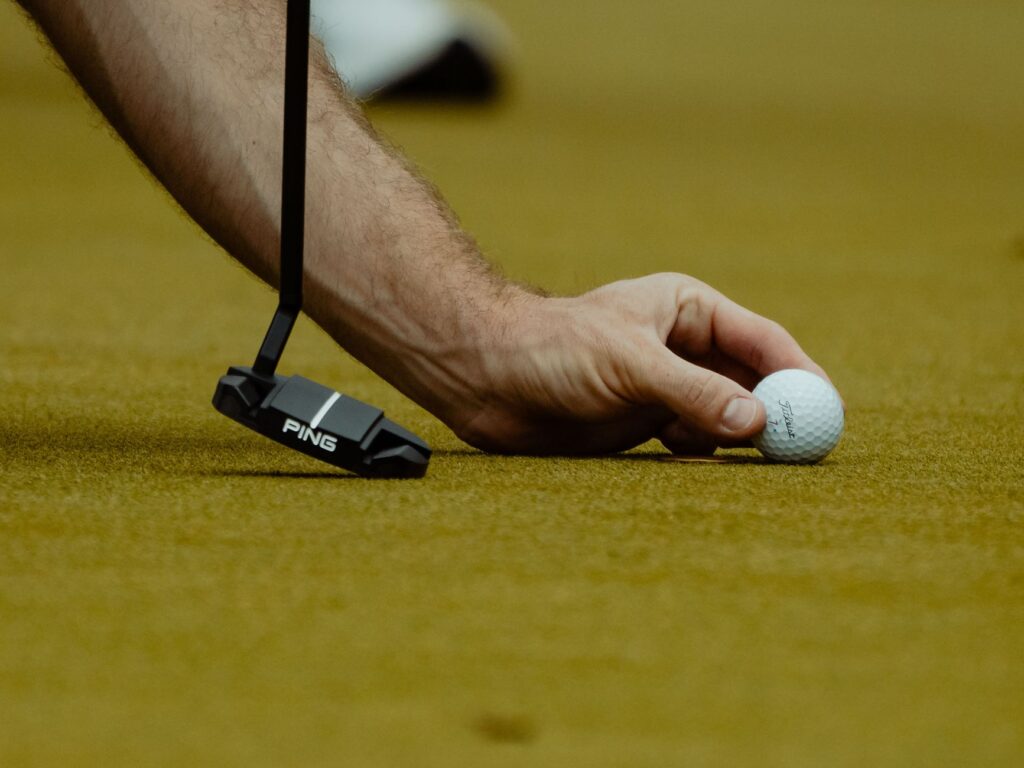
Understanding these components is essential for any golfer looking to improve their game. The golf handicap system not only fosters fair competition but also encourages players to strive for improvement, making it a fundamental aspect of golf basics. Whether you’re a novice or a seasoned player, knowing how to navigate the handicap system is invaluable for a rewarding golfing experience.
Golf Basics: Getting Started with Handicaps
Understanding your golf handicap is crucial for both recreational and competitive play, making it one of the foundational golf basics every beginner should grasp. A golf handicap is essentially your average ability expressed in terms of the expected number of strokes you would take to complete a round, allowing players of varying skill levels to compete fairly. So, how do you get started with your first handicap?
Getting Your First Handicap: The Golf Handicap Explained
To obtain your first golf handicap, you typically need to join a golf club or association affiliated with the USGA or your country’s governing body. These organizations implement a standardized handicap system that calculates your score based on your performance over several rounds. Most clubs require you to submit at least five scores to establish a reliable handicap. This score is adjusted based on the difficulty of the courses you’ve played, which is why it’s essential to play on rated courses.
Once you have your handicap, maintaining it is equally important. Regularly updating your scores keeps your handicap accurate, reflecting your current playing ability. As you play more, your scores will likely improve, leading to a reduction in your handicap, which is an exciting part of the golfing journey.
Tips for Beginner Golfers
As a beginner golfer, improving your scores is paramount, and here are some tips to help you on that journey:
- Practice Regularly: Consistency is key in golf. Regular practice helps develop your swing and short game.
- Learn the Rules: Understanding the basic rules of golf, including how to keep score and apply your handicap, will make your play more enjoyable.
- Play with Better Golfers: Surrounding yourself with more experienced players can provide valuable tips and insights.
- Focus on Short Game: Many strokes are lost around the greens. Spend time honing your chipping and putting skills.
By following these tips, you will not only improve your golf scoring but also gain a deeper appreciation for the game and its intricacies.
Ultimately, understanding the golf handicap explained is about more than just numbers; it’s about embracing the journey of continuous improvement in your game. As you navigate through the world of golf, remember that every stroke counts, and your handicap is a reflection of your evolving skills.

Common Misconceptions about Golf Handicaps Explained
Handicap Myths Debunked
Many golfers, especially beginners, often harbor misconceptions about the golf handicap explained concept. A prevalent myth is that handicaps are only for advanced players. This notion can deter newcomers from fully engaging with the sport. In reality, the handicap system is designed to level the playing field, allowing players of varying skill levels to compete fairly. The United States Golf Association (USGA) defines a golf handicap as a measure of a golfer’s potential ability, so it’s not just an advanced player’s tool. In fact, beginners can benefit greatly from having a handicap, as it provides a clear way to track improvement and enjoy competitive play.
The Importance of Fair Play
Another common misunderstanding is that handicaps create an unfair advantage. On the contrary, the handicap system promotes inclusivity and fair play. By adjusting scores based on a player’s skill level, players can compete against one another regardless of their experience. This is crucial for fostering a welcoming environment in the sport, encouraging more people to participate in beginner golf activities. With a proper understanding of golf basics, players can appreciate how a handicap allows for more engaging matches and social interaction on the course.
Ultimately, embracing the concept of a golf handicap explained can transform how players perceive competition in the sport. It not only enhances the experience for individual players but also helps to cultivate a community where everyone feels encouraged to participate. Understanding these misconceptions is key to unlocking the true potential of the game.

Conclusion: Embracing the Golf Handicap System
Understanding the golf handicap system is not just an exercise in numbers; it’s a gateway to a more enriching experience on the course. Throughout this article, we have discussed how a golf handicap, when properly grasped, levels the playing field for golfers of all skill levels. The beauty of this system lies in its ability to make golf scoring accessible and enjoyable for beginners and seasoned players alike.
One of the most compelling arguments for embracing the golf handicap system is its role in fostering camaraderie among players. It allows friends and family members to compete fairly, regardless of their varying skill levels. This inclusivity encourages more people to participate in the game, aligning with the core principles of golf basics, where enjoyment and sportsmanship take precedence over sheer skill. Furthermore, by understanding your handicap, you can track your progress over time, providing tangible motivation for improvement.
Some might argue that the system can be confusing or even cumbersome, especially for those new to the sport. However, with a little patience and practice, the concept becomes clearer, enhancing your overall experience. Embracing the golf handicap system not only streamlines scoring but also enriches the social aspect of the game. It’s a tool that encourages players to focus on their growth rather than just their current performance, making it an invaluable part of the golfing journey.
As you venture into your next round, remember the fundamentals of the golf handicap explained. Consider it a vital companion on your journey in beginner golf, and don’t hesitate to use it as a tool for enjoyment and improvement. Ultimately, the handicap system is a celebration of the game itself, allowing players to connect, compete, and grow together on the fairways.

Understanding how a golf handicap works is essential for anyone looking to improve their game. The handicap system is designed to level the playing field, making golf more enjoyable for players of all skill levels. By grasping the golf basics of how handicaps are calculated, even beginner golf enthusiasts can appreciate the nuances of golf scoring and strive for better performance on the course.
Now that you have a solid foundation with the golf handicap explained, it’s time to implement this knowledge on the green. Consider tracking your scores and applying your handicap to your games. This will not only enhance your experience but also allow you to measure your progress over time. Embrace the journey of improvement, and remember that every golfer, regardless of skill level, has the opportunity to enjoy the game to its fullest.
“`html
What is a golf handicap and how is it calculated?
A golf handicap is a numerical measure of a golfer’s potential ability, allowing players of different skill levels to compete fairly. It is calculated using the formula that takes into account the scores of your recent rounds, the course rating, and the slope rating of the courses played. Essentially, your best scores are averaged and adjusted to reflect the difficulty of the courses, resulting in a number that represents your playing ability. This is the essence of the golf handicap explained.
Why do I need a golf handicap?
A golf handicap is important because it levels the playing field between golfers of varying skills, enabling fair competition. It allows you to measure your progress over time and provides a way to gauge your performance against others. Whether you are playing casual rounds or participating in tournaments, a golf handicap can enhance your experience by allowing you to compete more equitably. It also fosters camaraderie in the sport, as players can enjoy a challenge regardless of their skill levels.
How does the golf scoring system work with handicaps?
The golf scoring system interacts with handicaps by adjusting a player’s final score based on their handicap index. When you play a round, your score is compared to the course’s par. To determine your net score, you subtract your handicap from your gross score. This adjusted score allows you to compete against others regardless of their skill levels, making it an essential component of golf scoring. The golf handicap explained shows how players can enjoy a fair competition.
Can beginners use a golf handicap?
Yes, beginners can absolutely use a golf handicap. In fact, having a handicap can be beneficial for new players as it helps track improvement and encourages participation in competitions. Most golf associations allow players to establish a handicap after submitting a minimum number of rounds, which can vary by organization. This way, even as a beginner, you can enjoy the competitive aspects of the game while developing your skills and understanding of golf basics.
What are the benefits of having a golf handicap?
The benefits of having a golf handicap include providing a clear measure of your playing ability, promoting fair play among golfers of different skill levels, and enhancing your enjoyment of the game. It allows you to enter tournaments and competitions with confidence, knowing that your performance will be evaluated fairly. Additionally, tracking your handicap can motivate you to improve your game, as it reflects your progress over time.
Are there any common misconceptions about golf handicaps?
Yes, there are several misconceptions about golf handicaps. One common myth is that handicaps are only for advanced players; however, they are beneficial for golfers of all levels, including beginners. Another misconception is that a lower handicap always means a better player, while in reality, it simply indicates a player’s potential ability. Understanding these misconceptions is crucial for embracing the golf handicap explained, ensuring all players can enjoy the game fairly.
“`