
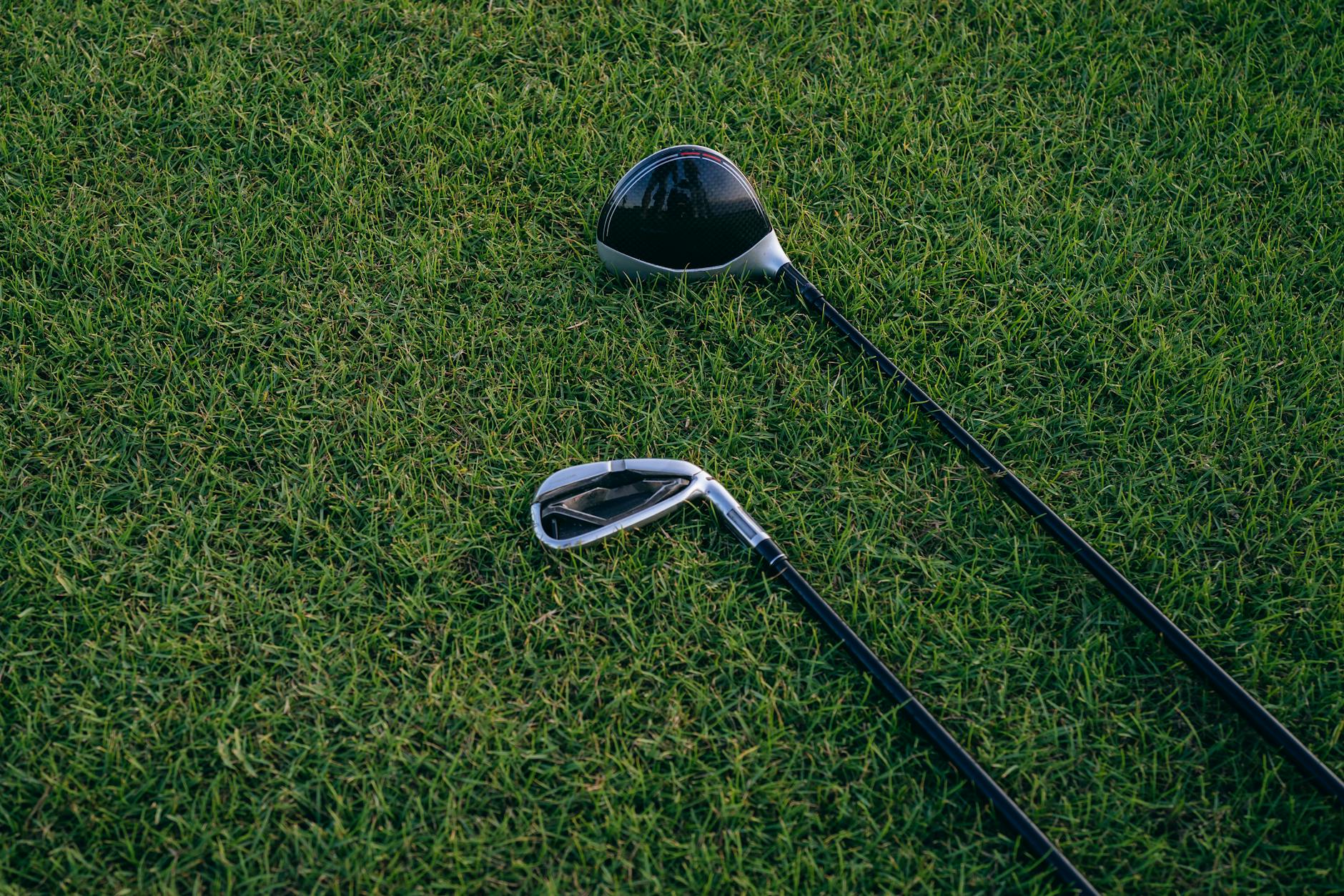
When it comes to understanding golf drivers vs fairway woods, beginners often find themselves at a crossroads. Both clubs serve essential roles in a golfer’s bag, yet they have distinct characteristics that can impact your game significantly. This article aims to provide a clear beginner golf clubs comparison, helping you discern the differences and determine which club suits your needs best. We’ll explore the basics of each type, dive into the key differences between drivers and woods, and offer guidance on how to choose the right club for your skill level. If you’re wondering whether to opt for drivers or woods for beginners, you’re in the right place. By the end, you’ll have actionable tips to select the best clubs for new golfers, ensuring you’re well-equipped to hit the course with confidence. Ready to elevate your game? Let’s tee off into the world of golf drivers and fairway woods!
Golf Drivers vs Fairway Woods: Understanding the Basics
When starting your golfing journey, one of the first decisions you’ll face is choosing the right equipment. Two essential clubs that often lead to confusion are golf drivers and fairway woods. Understanding the differences between these clubs is crucial for any beginner looking to improve their game and make informed choices in a beginner golf clubs comparison.
What Are Golf Drivers?
Golf drivers are typically the longest clubs in a golfer’s bag and are specifically designed for hitting the ball off the tee. They have large clubheads, usually measuring around 440 to 460 cc, making them the biggest clubs in terms of head size. This design allows for a larger sweet spot, which can be beneficial for beginners still developing their swing.
The loft of a driver generally ranges from 8 to 12 degrees, with lower lofts suited for faster swing speeds. Drivers are primarily used for achieving maximum distance off the tee, making them a crucial part of your arsenal on par 4 and par 5 holes. Choosing the right driver can help set you up for success as you navigate the course, especially for those considered the best clubs for new golfers.
What Are Fairway Woods?
Fairway woods, on the other hand, have smaller clubheads and are typically used for longer fairway shots. Their head size ranges from about 130 to 200 cc, providing a more versatile option for various types of shots. The loft on fairway woods is generally higher than that of drivers, commonly ranging from 15 to 25 degrees. This makes them easier to hit from the ground, a key factor for those who are new to the game.
Fairway woods are particularly useful for approaching greens on long holes or when you need to navigate obstacles. They are designed to help players achieve both distance and accuracy, making them an excellent choice when you need a reliable shot from the fairway. Understanding when to use drivers or woods for beginners can greatly enhance your game and strategy throughout a round.
In the debate of golf drivers vs fairway woods, it’s essential to recognize that both clubs serve unique purposes and can complement each other in a golfer’s bag. As you progress in your game, knowing when to use each club will allow you to play more effectively and enjoyably.
Golf Drivers vs Fairway Woods: Key Differences
Distance and Accuracy
When comparing golf drivers vs fairway woods, one of the most significant distinctions lies in their performance regarding distance and accuracy. Golf drivers are designed primarily for maximum distance. With a larger clubhead and a longer shaft, drivers can launch the ball at high speeds, making them ideal for tee shots. The average golfer can expect to hit a driver anywhere from 230 to 300 yards, depending on skill level and swing mechanics. However, this pursuit of distance can sometimes compromise accuracy, especially for beginners.
On the other hand, fairway woods, typically featuring a smaller clubhead and a shorter shaft, offer improved accuracy and control. They are often used for longer shots from the fairway, allowing golfers to strike the ball with a more level swing. While fairway woods may not achieve the same distances as drivers, they provide a more forgiving option, especially for those still developing their swing. This makes fairway woods a popular choice in a beginner golf clubs comparison, as they can help new golfers find their rhythm on the course.
Ease of Use for Beginners: Drivers or Woods for Beginners?
For those new to the game, the question of whether to choose drivers or woods for beginners often arises. Generally, fairway woods are considered easier to handle for novice players. Their design promotes a more stable impact and a better chance of making solid contact with the ball. This can boost a beginner’s confidence, making the game more enjoyable and less frustrating.
Conversely, while drivers can offer impressive distance, they require a refined technique to use effectively. Many beginners may struggle to achieve consistent contact with a driver due to its longer shaft and lower loft. For this reason, many instructors recommend starting with fairway woods to build a solid foundation before transitioning to drivers. As players gain experience and confidence, they can progress to utilizing drivers effectively.
Ultimately, choosing between golf drivers vs fairway woods boils down to individual comfort and skill level. For beginners, fairway woods often represent one of the best clubs for new golfers, providing a balance of distance and accuracy that can facilitate learning and improvement.

Choosing the Right Club: Golf Drivers vs Fairway Woods
When stepping onto the golf course, one of the first decisions you’ll face is whether to use a driver or a fairway wood. Understanding the differences between golf drivers vs fairway woods is crucial for optimizing your game, especially as a beginner. Each club serves a unique purpose, and knowing when to use each can significantly improve your performance.
What to Consider When Choosing
Several factors influence your choice between drivers or woods for beginners:
- Swing Speed: If you have a slower swing speed, a fairway wood may be more forgiving and easier to hit accurately. Drivers are designed for maximum distance, but they require a faster swing to achieve optimal results.
- Comfort Level: Many beginners find fairway woods easier to control, especially from the tee and fairway. If you’re not yet comfortable with your swing, these clubs can help build your confidence.
- Course Conditions: If you’re playing on a course with tight fairways or heavy rough, a fairway wood may be more advantageous. Drivers excel in open spaces where distance is prioritized.
Ultimately, understanding your personal strengths and weaknesses will help you decide which club suits your style better.
Best Clubs for New Golfers
For new golfers, the best clubs often include a mix of both drivers and fairway woods. This combination allows you to adapt to different situations on the course. Fairway woods, with their larger clubface, provide a larger sweet spot, making them more forgiving on off-center hits. Moreover, they can also be used for various shots, such as from the tee, fairway, or rough.
As you explore the options in your beginner golf clubs comparison, consider starting with a driver that has adjustable loft settings. This feature can help you find the right angle for your swing. Additionally, investing in a quality fairway wood can serve as a reliable option when your driver isn’t quite working.
Remember, the key to mastering the element of golf drivers vs fairway woods lies in practice and understanding your game. Trying out different clubs will help you identify what feels best and works effectively for you.
As you continue to refine your skills, focus on building a versatile set of clubs that accommodates your evolving playing style. This way, you’ll be well-equipped to handle any situation on the course. For more information on the best clubs for new golfers, check out our Best Golf Drivers for Beginners.
Actionable Tips for Beginners
As you embark on your golfing journey, understanding the key differences between golf drivers vs fairway woods will help you make informed decisions. Here are some actionable tips for beginners to maximize the use of these clubs.
Practice with Both Clubs
One of the best ways to determine which club suits your style is to practice with both drivers and woods for beginners. Spend time on the driving range hitting a variety of shots with each club. Focus on how they feel and how far you can hit the ball. The driver is designed for maximum distance off the tee, while fairway woods are more versatile, allowing you to play from the fairway or rough.
Consider setting up a practice routine that includes:
- 10-15 shots with your driver to gauge distance and accuracy.
- 10-15 shots with a 3-wood or 5-wood from both the tee and the fairway.
- Comparing the results to see which club gives you more confidence and control.
As you analyze your shots, take note of your comfort level and the consistency of your swings. This beginner golf club comparison will help you determine which club to prioritize in your bag.
Seek Professional Advice on Golf Drivers vs Fairway Woods
Another valuable tip for new golfers is to seek professional advice. Golf instructors can offer insights tailored to your swing and skill level. They can help you understand the nuances between golf drivers vs fairway woods and how to effectively incorporate both into your game.
Consider scheduling a fitting session as part of your lessons. Fitting sessions can reveal which clubs are best suited for your unique swing characteristics, including your height, arm length, and swing speed. This knowledge can significantly enhance your performance and enjoyment of the game.
Remember, the choice between drivers and woods for beginners comes down to personal preference and playing style. By practicing with both types of clubs and seeking expert guidance, you’ll be well on your way to finding the best clubs for new golfers. Enjoy the process and keep an open mind as you learn the ins and outs of golf!

When considering golf drivers vs fairway woods, it’s essential for beginners to understand the strengths of each club. Golf drivers are designed for maximum distance off the tee, while fairway woods offer versatility for longer shots from the fairway. For those just starting out, a proper beginner golf clubs comparison can help you make informed choices tailored to your game.
Ultimately, whether you choose drivers or woods for beginners will depend on your comfort level and playing style. Many new golfers find that having both in their bag can lead to better performance on the course. If you’re still deciding on the best clubs for new golfers, visiting a local pro shop for a fitting can provide valuable insights. So, grab your gear, head to the range, and start experimenting with both types of clubs to discover what works best for you!
“`html
What should beginners know about golf drivers vs fairway woods?
For beginners, understanding the differences between golf drivers vs fairway woods is essential. Golf drivers are designed for maximum distance off the tee, featuring a larger clubhead and a longer shaft. Fairway woods, on the other hand, are more versatile, allowing players to hit from the fairway or rough with a shorter shaft and a more angled face. New golfers should focus on mastering both types to improve their game and choose clubs that suit their playing style.
Are drivers or woods better for beginners?
For beginners, fairway woods are often considered better than drivers. They are easier to hit and provide better accuracy, which can help new golfers develop their skills. Fairway woods have a lower center of gravity, making it easier to get the ball airborne. While drivers are great for distance, they can be more challenging to control. Ultimately, it’s beneficial for beginners to practice with both types of clubs to find what works best for them.
What are the best clubs for new golfers?
The best clubs for new golfers typically include a combination of forgiving irons, a fairway wood, and a driver that suits their swing speed. Look for clubs with a larger sweet spot and lightweight shafts. Some popular beginner golf clubs include the Callaway Big Bertha and the TaylorMade SIM series. A beginner golf clubs comparison can help identify options that provide the best performance without overwhelming the player.
How do golf drivers and fairway woods differ in performance?
Golf drivers and fairway woods differ significantly in performance. Drivers are optimized for distance with a low loft and a large clubhead, making them ideal for tee shots. Fairway woods have a higher loft and a more compact design, allowing for better control and versatility from various lies on the course. This makes fairway woods more forgiving for beginners, while drivers can produce greater yardage when hit correctly.
What factors should beginners consider when choosing clubs?
Beginners should consider several factors when choosing clubs, including club length, weight, and loft. It’s important to select clubs that are the right fit for your height and swing style. Additionally, look for clubs that offer forgiveness and stability, as these attributes can enhance performance. Trying different clubs to see what feels comfortable can also be very beneficial in making an informed choice about your golf equipment.
Can I use a fairway wood instead of a driver?
Yes, you can use a fairway wood instead of a driver, especially if you find it easier to control. Many beginners prefer using a fairway wood off the tee because it provides a higher level of accuracy and consistency. While you may sacrifice some distance compared to a driver, the trade-off can lead to better overall performance on the course, making it a suitable alternative for those still developing their skills.
“`